It seems to be peak dandelion time as I write this in March. Seeing one puts a smile on my face, and when there are lots, I’m probably grinning!
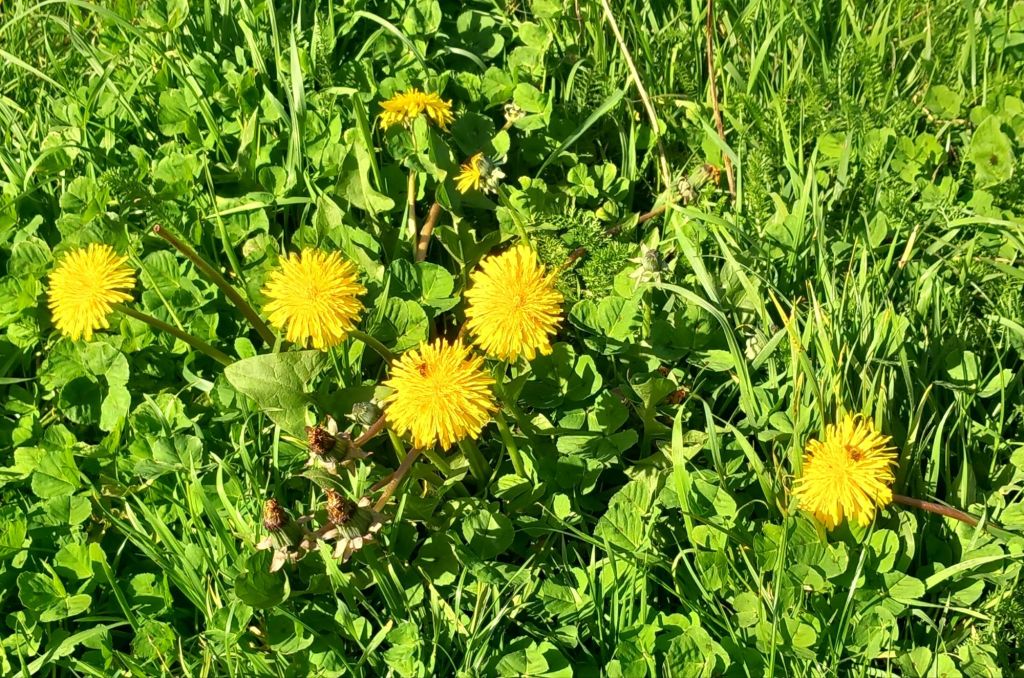
This was the case when I walked to my local Co-op. I stopped to drink in some especially lovely ones, took some photos, then decided to count them on the walk back. 113 in a 3-minute stretch along the wildflower bunds that the city council created a few years ago in an inspired move. What a treat.
The photos don’t do them justice, but you can at least see the bees on some of them.
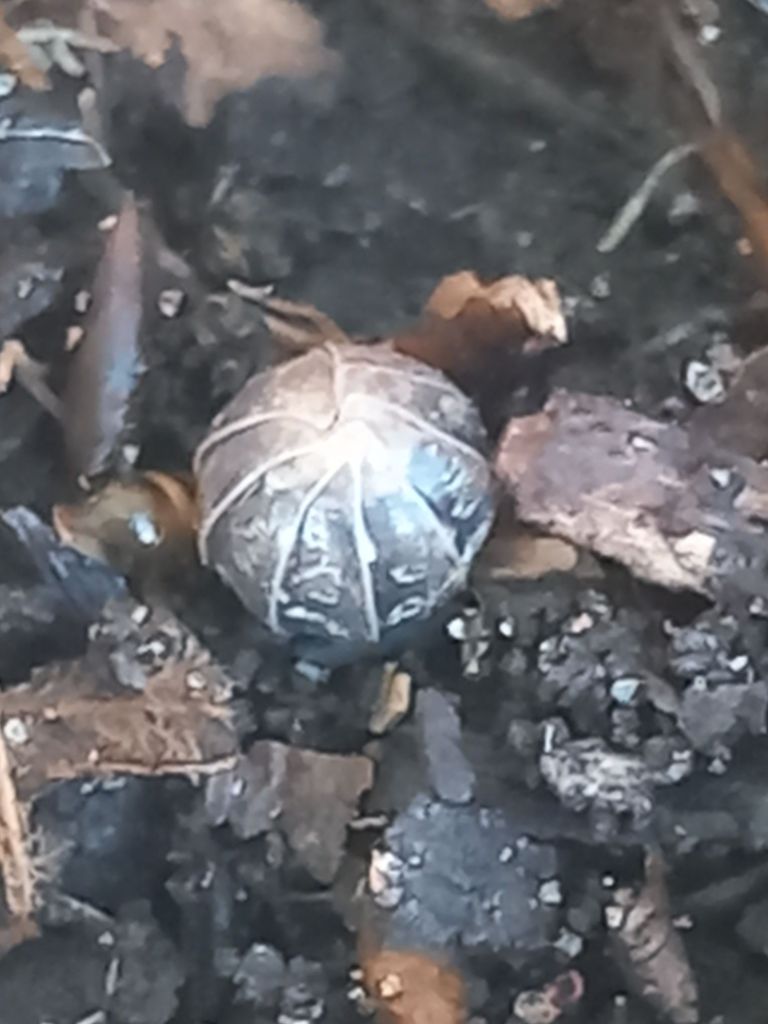
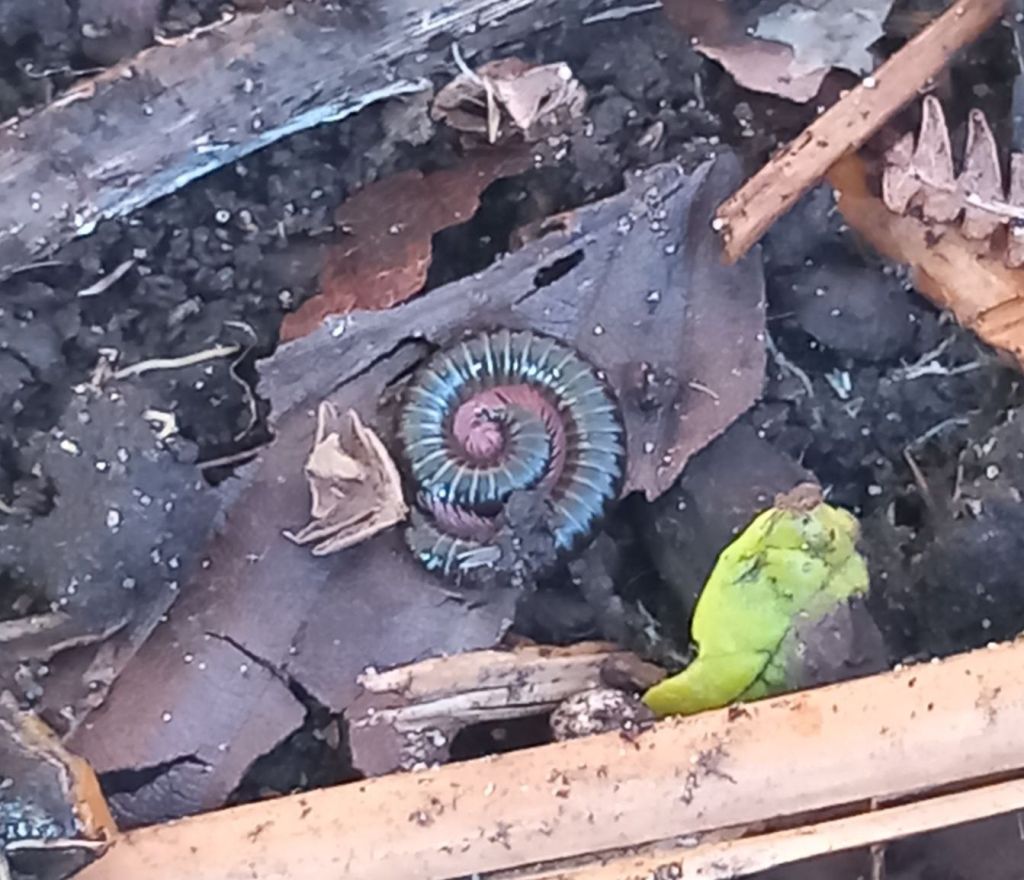
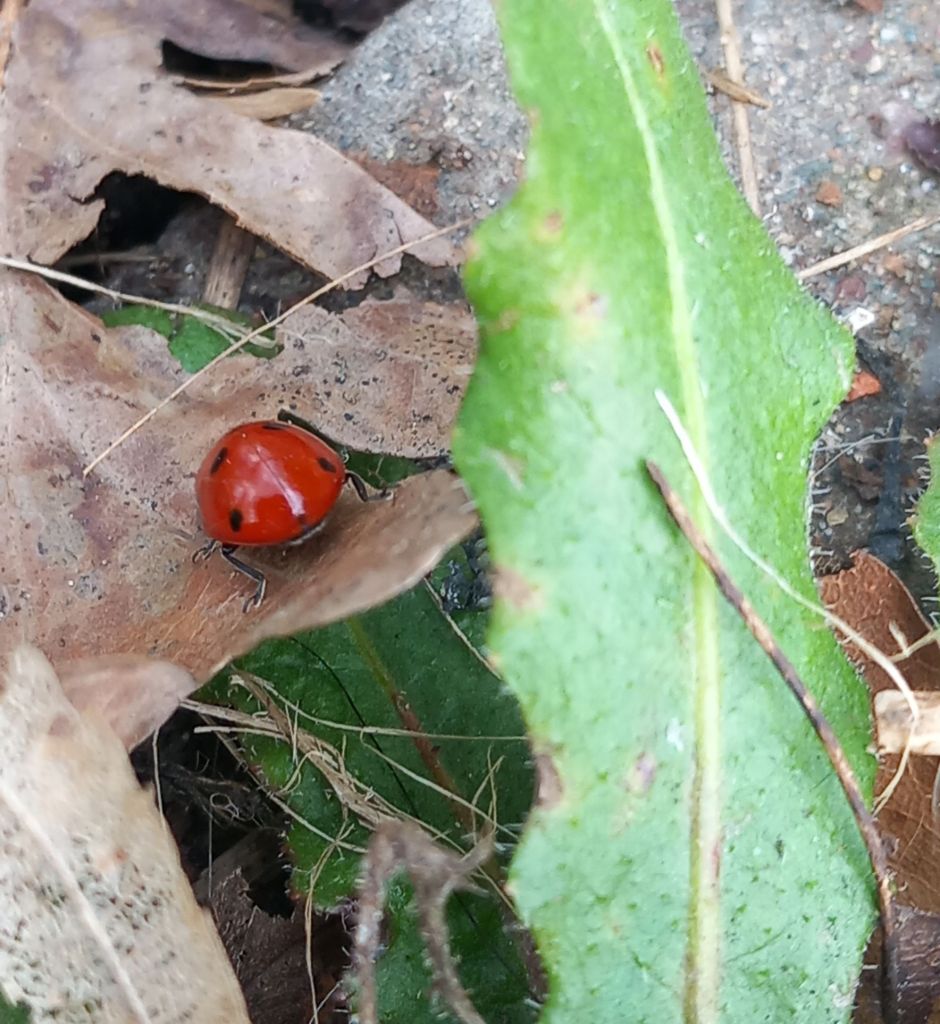
A couple of days before, I joined the Woolston Wombles for a litter pick. We’d logged it as a Great British Spring Clean event, and I worked on a verge that bugs me every time I see it, because it’s badly littered, and because underneath the plastic and cans there’s life. In the space of 5 minutes, I found a Pill Woodlouse, a Millipede, and a 7-spot Ladybird.
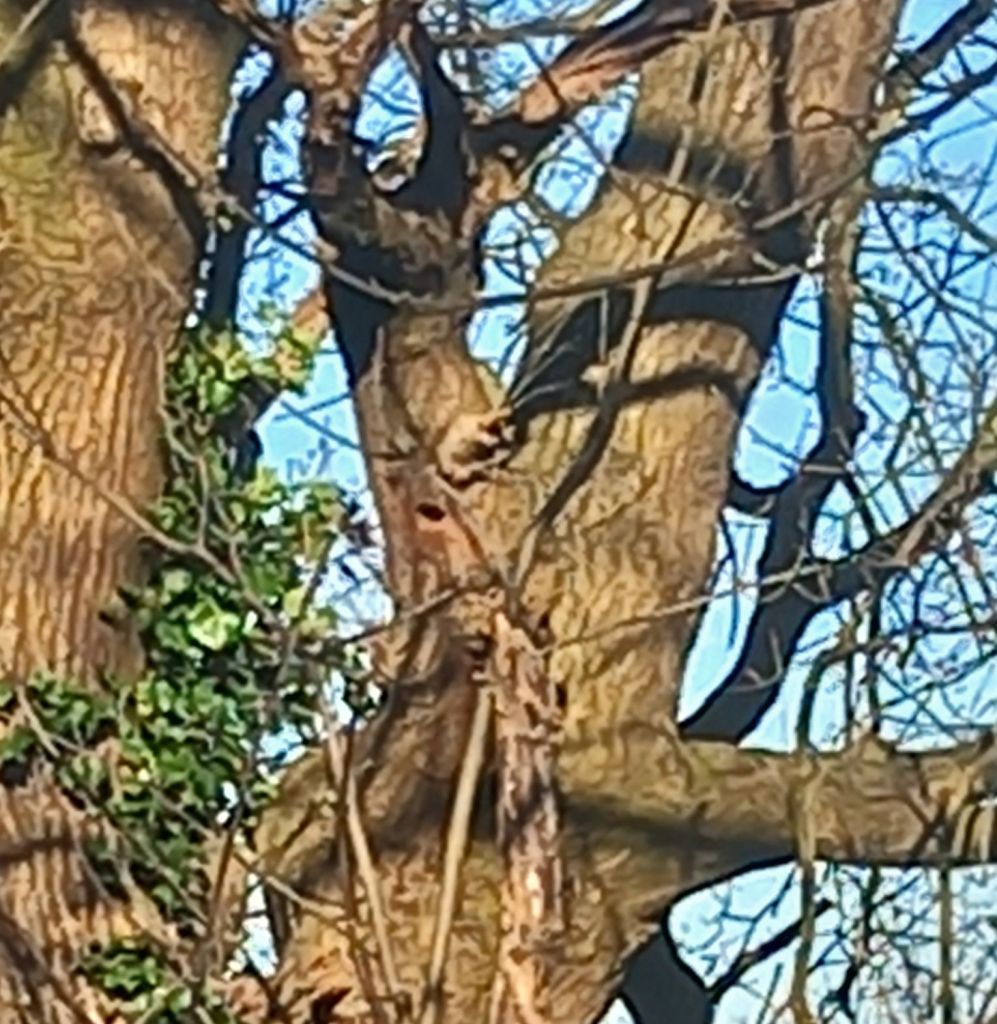
One morning on Peartree Green, I walked past an oak and heard a woodpecker drumming. So close! I couldn’t see the bird, but I did notice a nest hole.
Nest hole is dead centre in this picture.
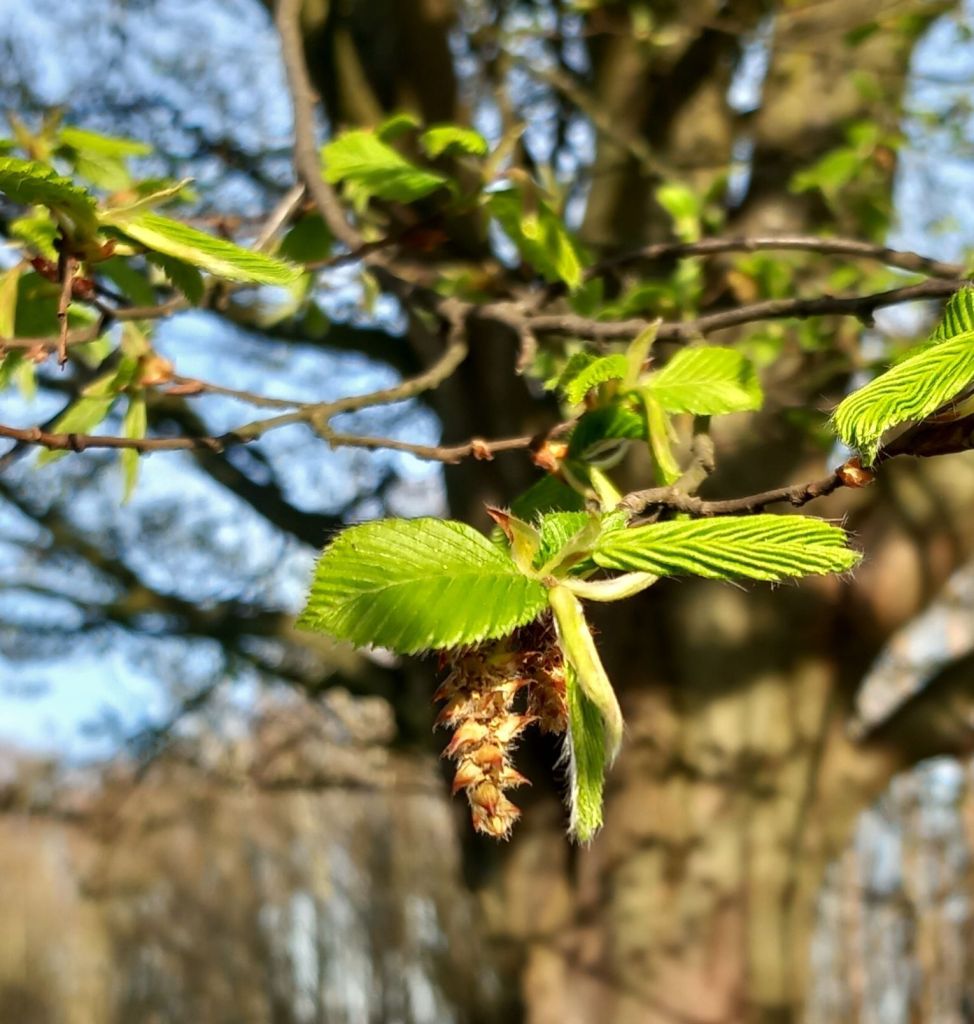
Vivid green leaves are appearing everywhere, as on this hornbeam.
Hornbeam
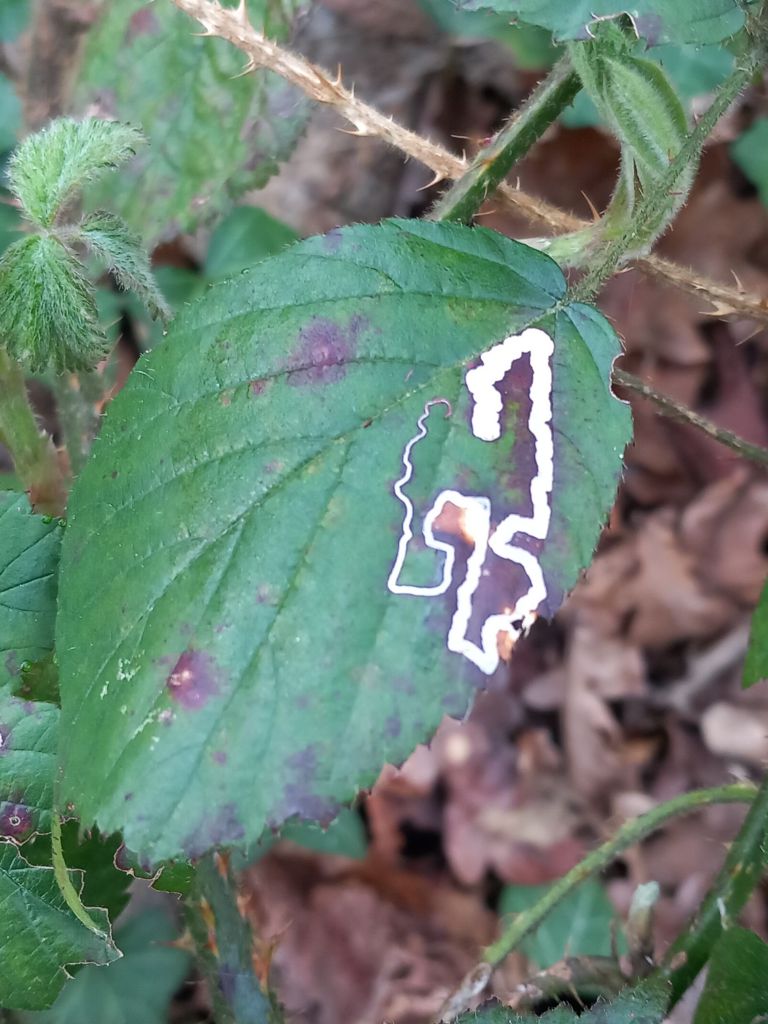
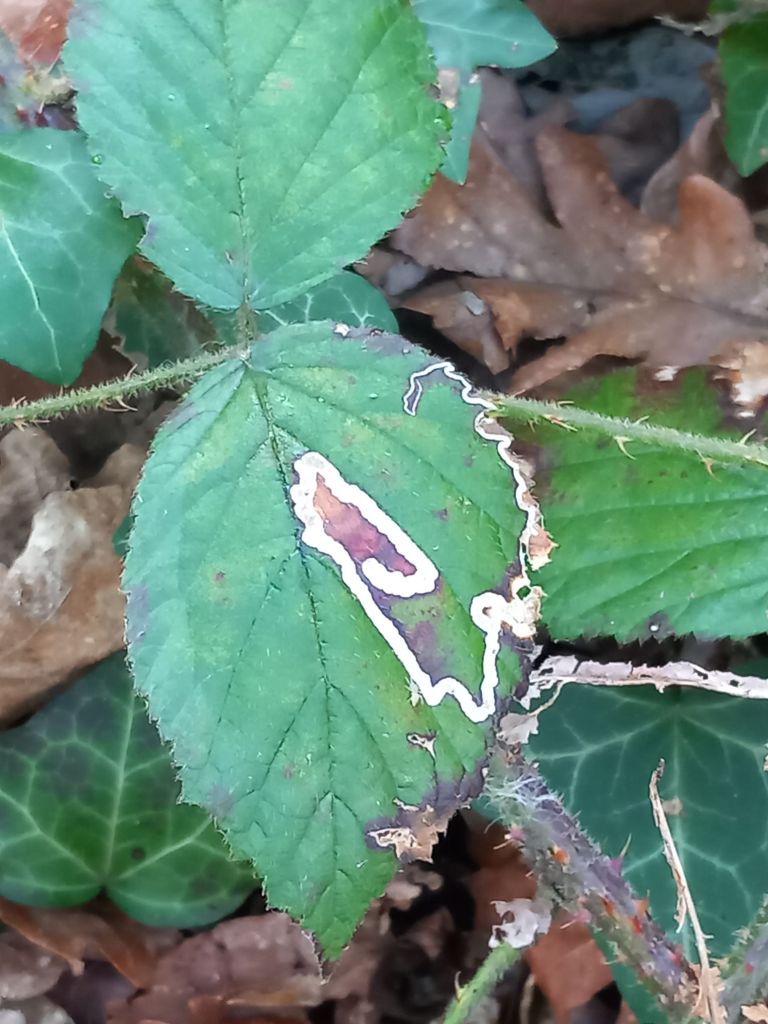
Bramble leaves are decorated with the mysterious scribblings of leaf miners.
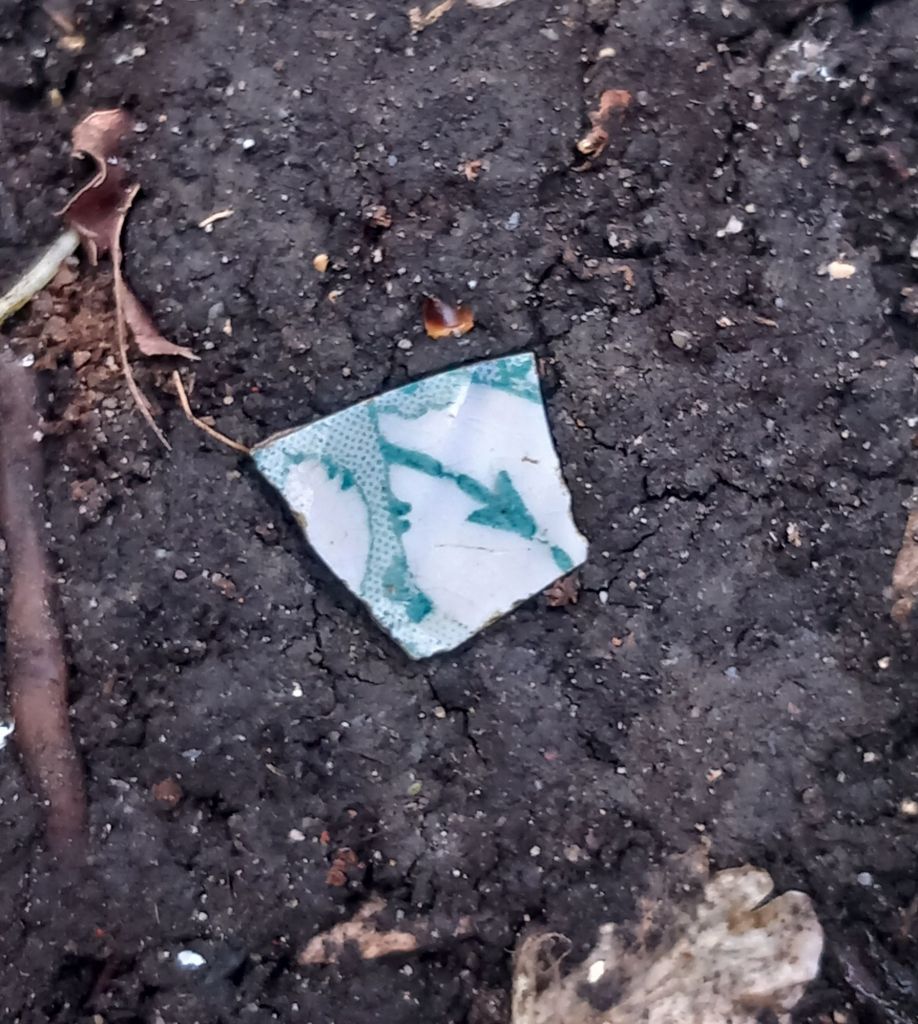
On a track, I found treasure.
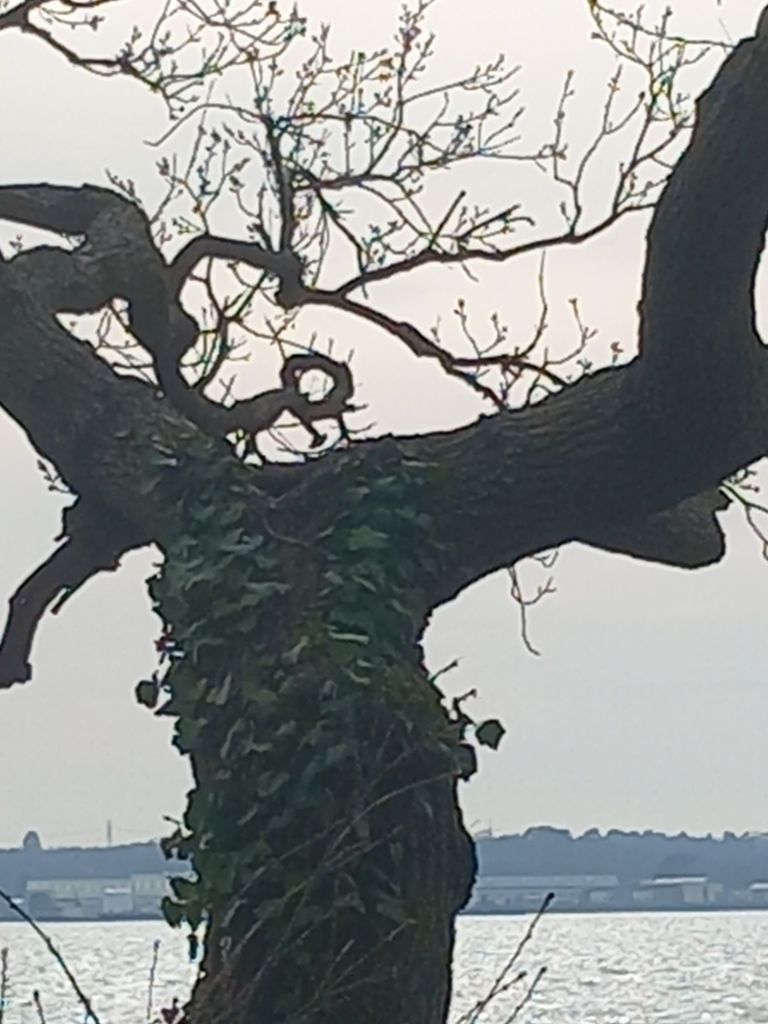
And at Weston Shore, there’s a tree full of shapes. Do you see the bird with a rubber ring in its beak?!
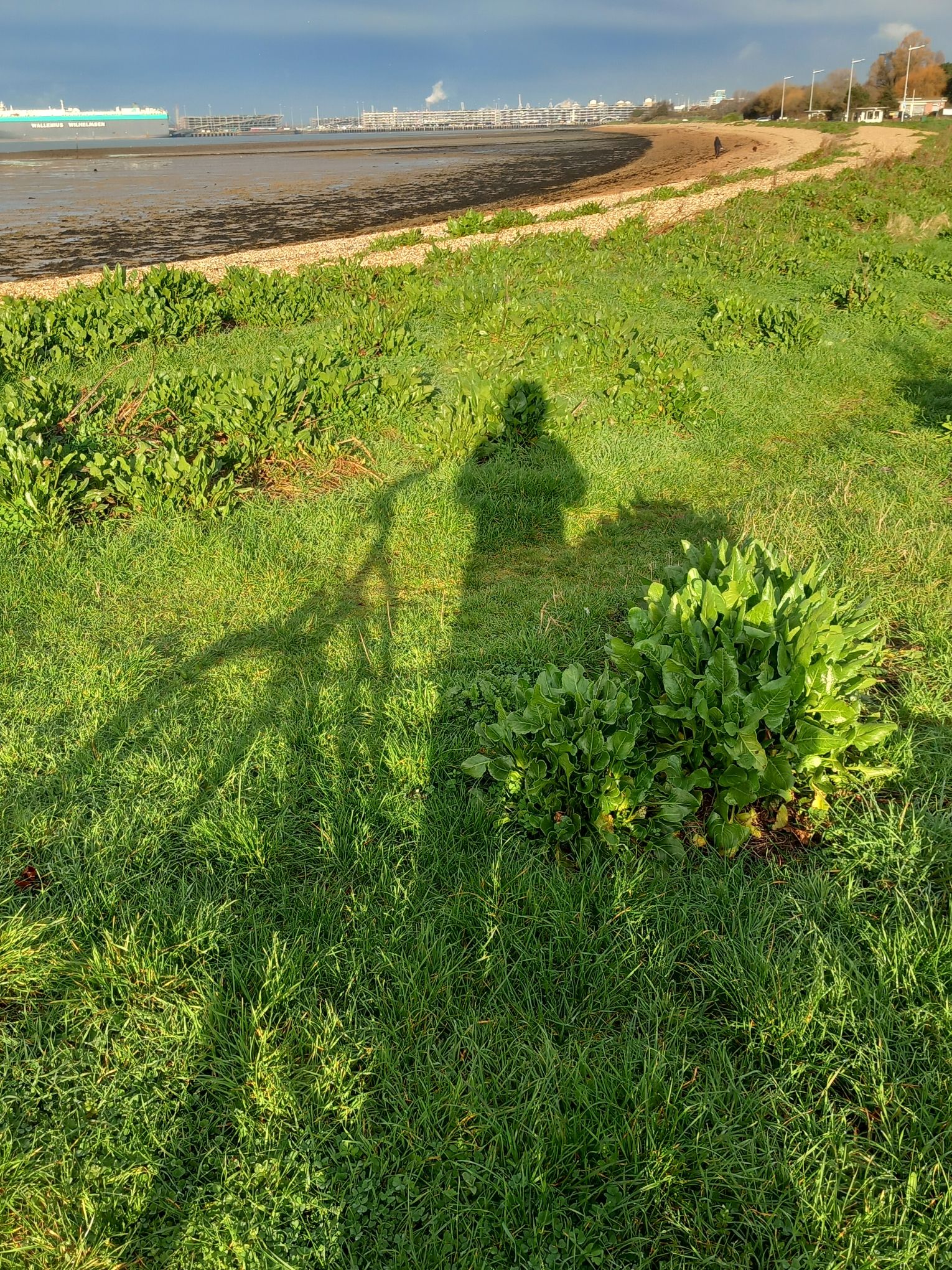
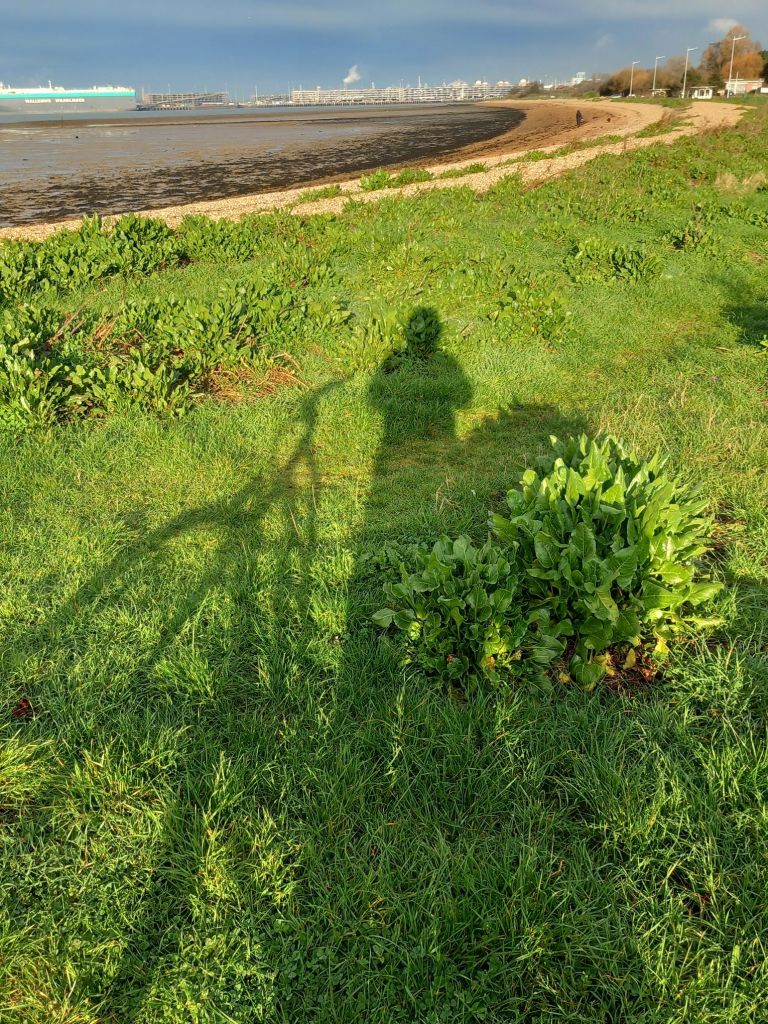
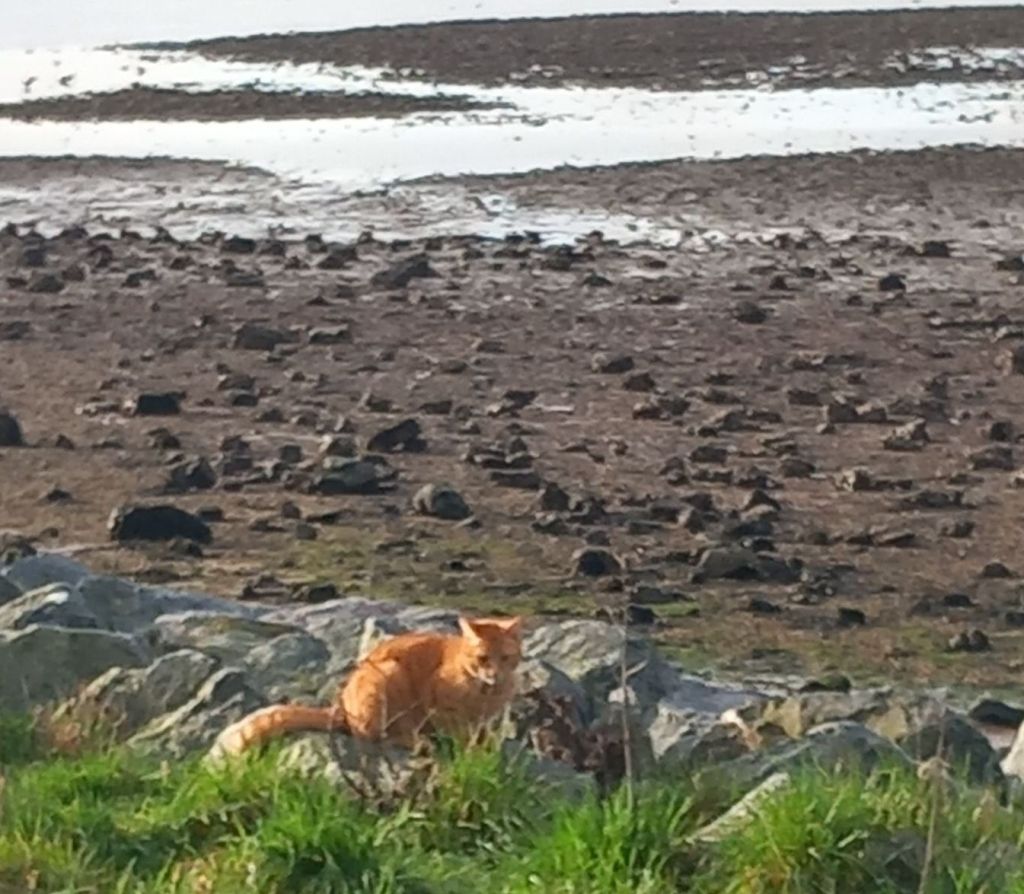
In week 4, a sunny Tuesday morning cycle to Weston Shore brought fleeting cloud-dragons, elusive Greenfinches, the shell-tree, and an unexpected cat. Not to mention Wallenius Wilhelmsen, accidentally included in the photo below.
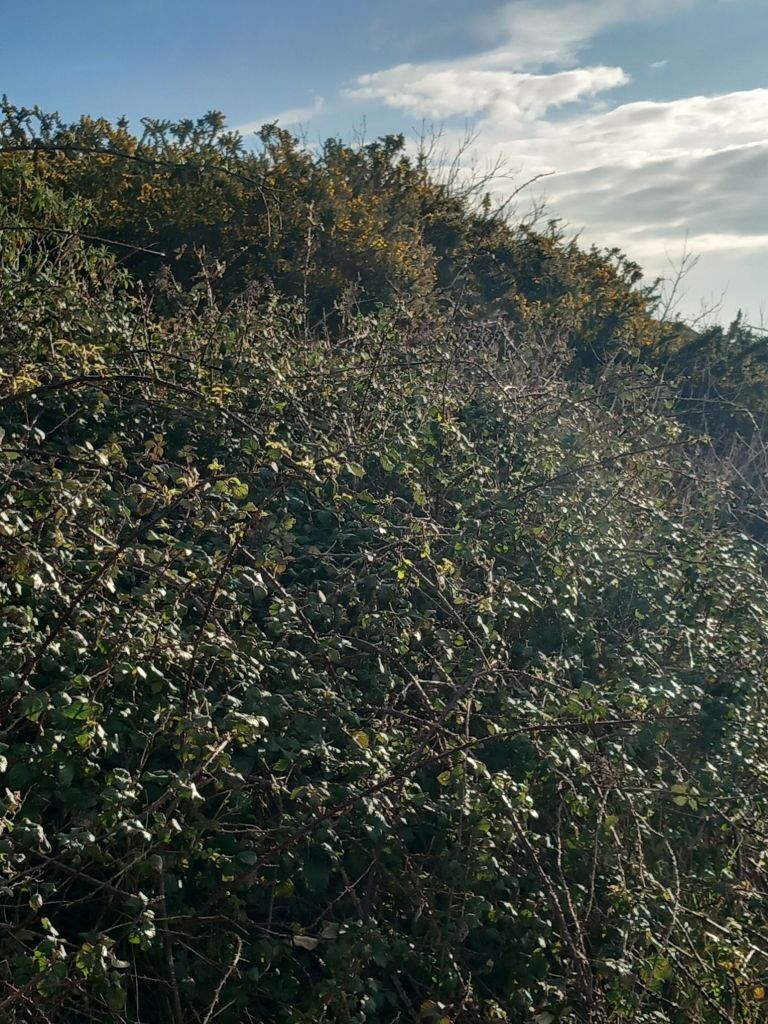
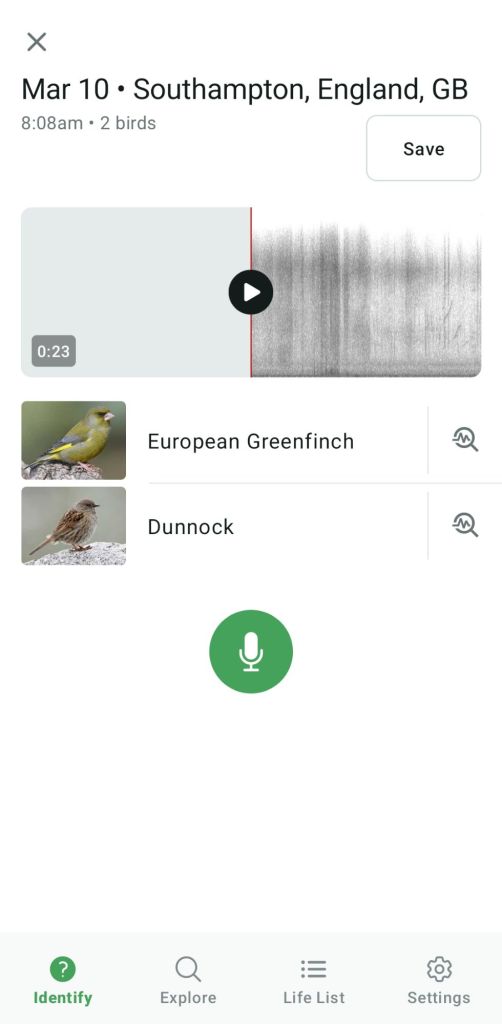
The curve of Weston Shore, with one of the Wallenius Wilhemsen cargo boats to the right. Somewhere in this mix of bramble and gorse, a Greenfinch was calling, as proved by Merlin.
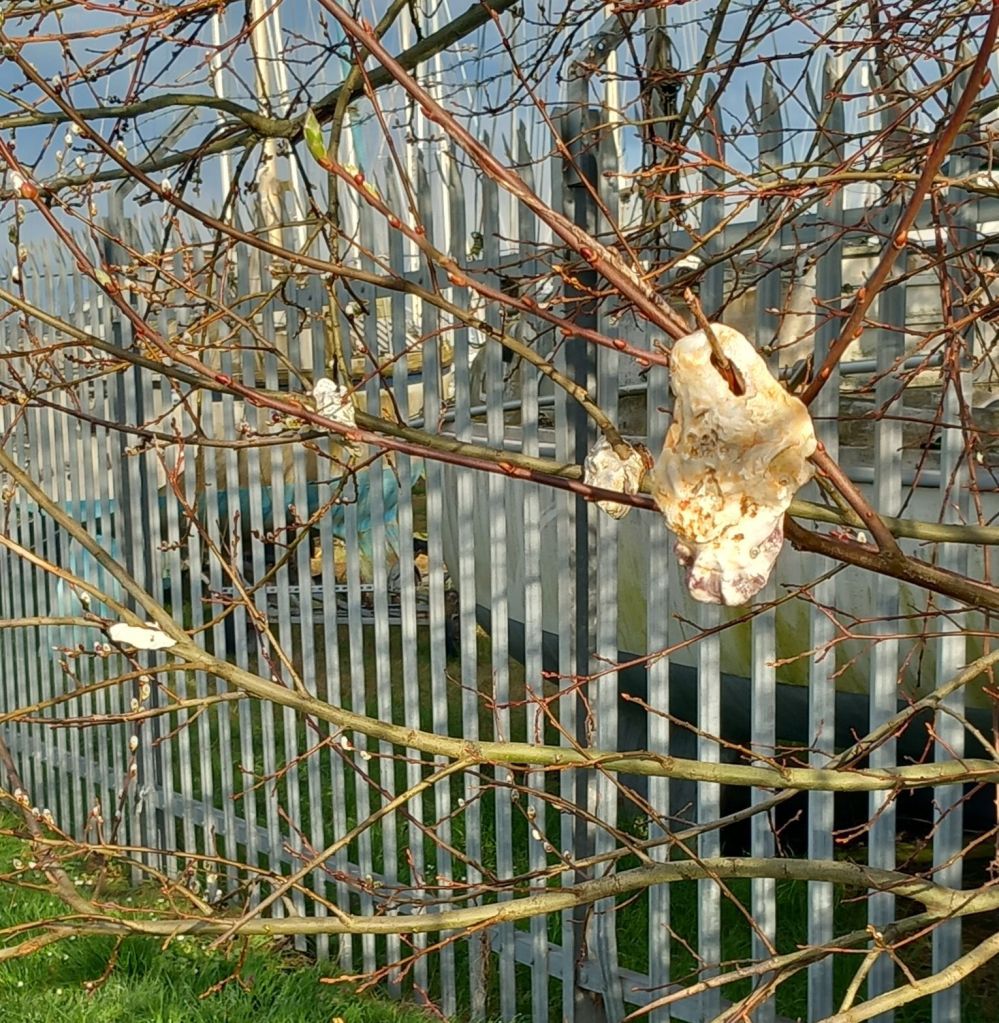
Next to those shrubs, there’s a willow that’s been hung with oyster shells, the holes presumably human-made.
As I turned to cycle home, I spotted a cat on the rocks above the shore, something I’d never seen before.
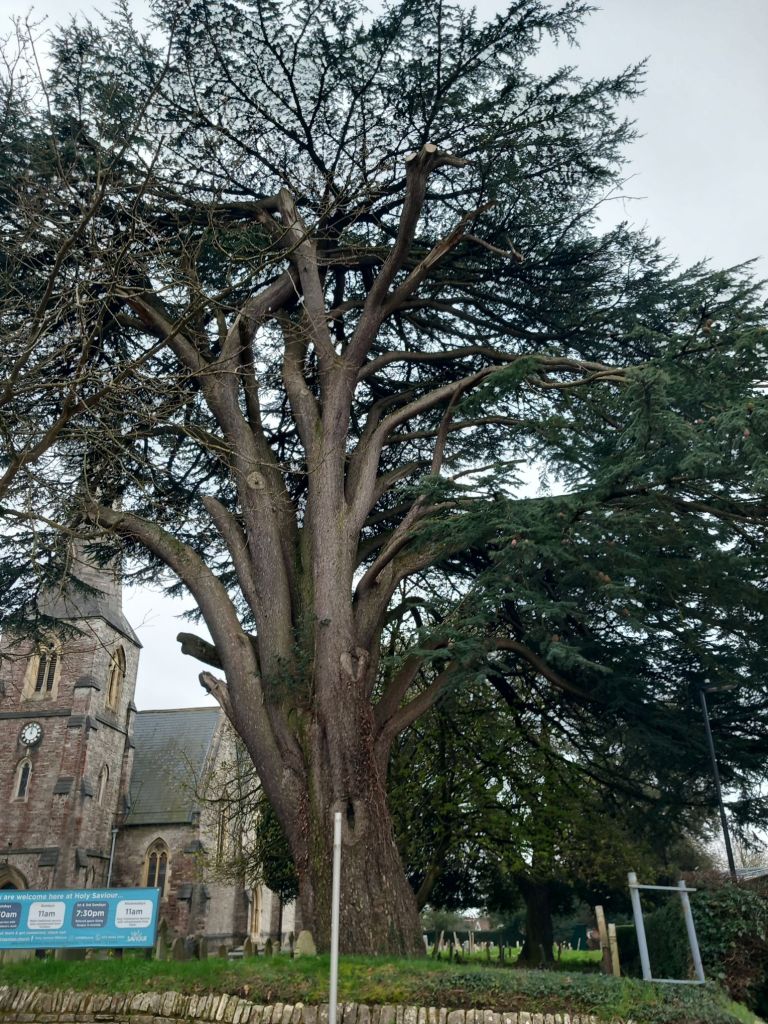
On Thursday, after my usual shopping trip in Bitterne Precinct, I paused to appreciate the huge evergreen at the corner of the Holy Saviour Church yard. I’m not sure what it is – maybe a cedar? – but it’s jaw-dropping. I stood with my bike smiling at it, noticing that other people didn’t give it a second glance. Their loss.
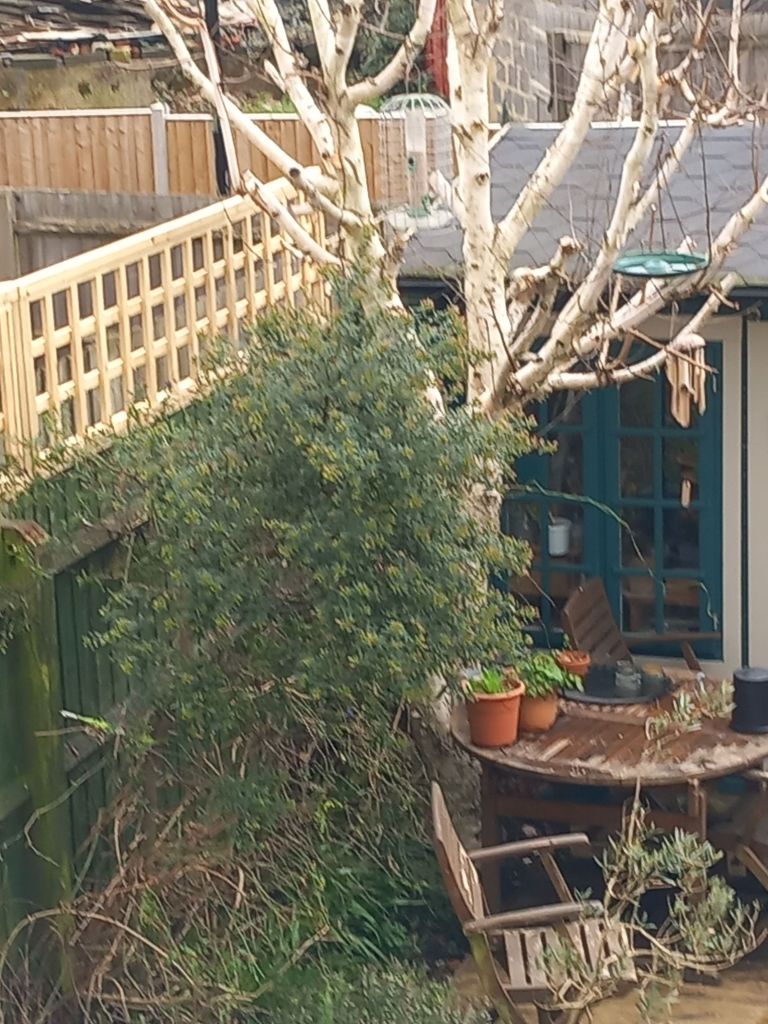
Back at home, a pair of blue tits were working the garden. They were ignoring the sunflower seed feeders to look for food on the still leafless silver birch and the Californian lilac (the large shrub in this photo). I watched them for about 10 minutes, just enjoying being in their presence. Their bright colours and perkiness never fail to lift my mood.
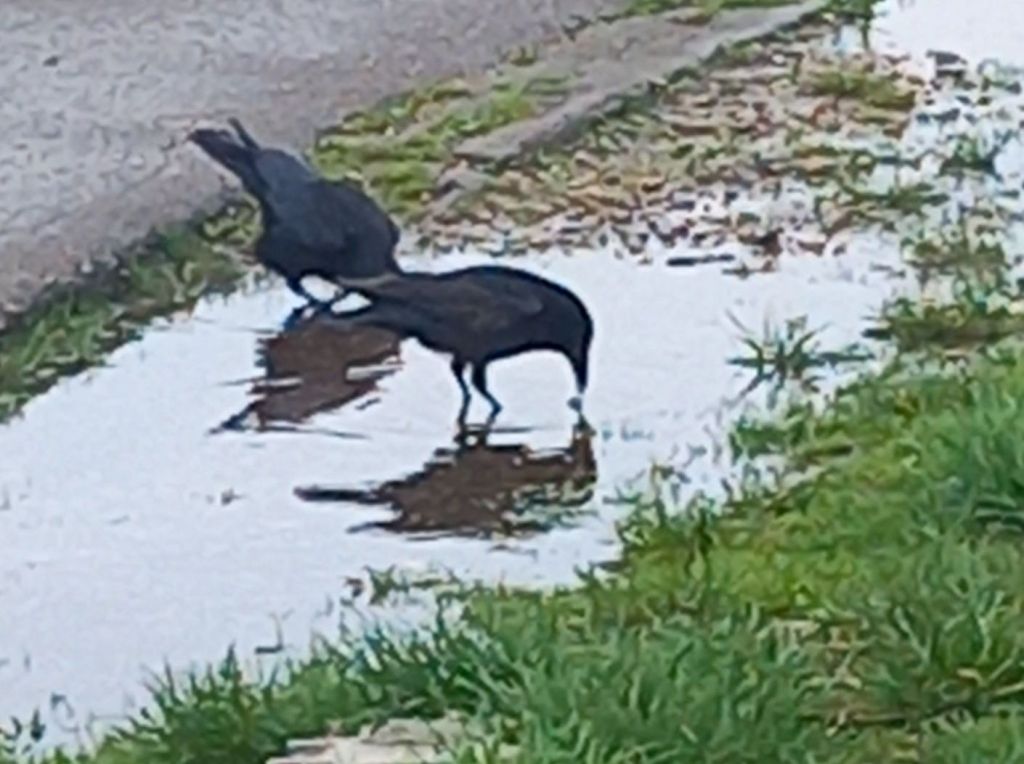
On a second visit to Weston Shore, I paused to watch the crows. They’re fascinating. One – the one in the foreground of this photo – dunked a worm in the puddle before swallowing it. To rinse it? To kill it? Just because it could?!
There’s never dull moment down at Weston Shore. I wonder what I’ll notice next time…
Week three of noticing and writing about the small joys of nature was one of both deliberately searching for seasonal treasures, and of experiencing the unexpected.
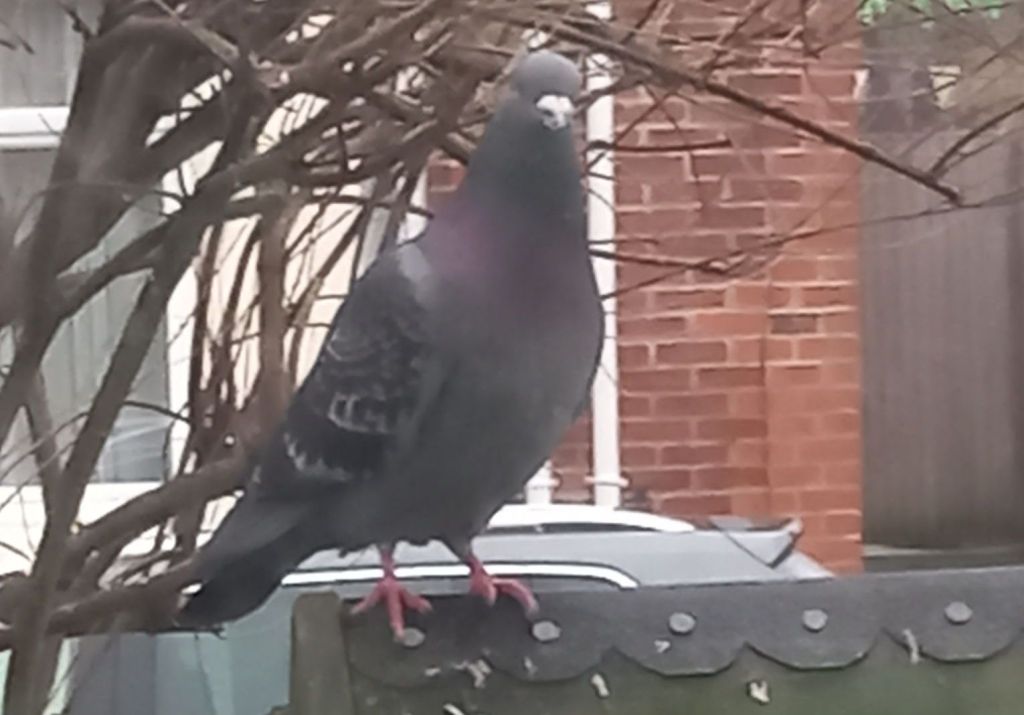
The male pigeons are busy turning in circles on Beccy’s roof, trying to impress the females. Nothing unusual there in spring, but surely the one I heard this morning calling “Chaka Khan” took the wooing to a whole new level. I’m not sure it was this one, but the iridescent neck feathers caught my eye.
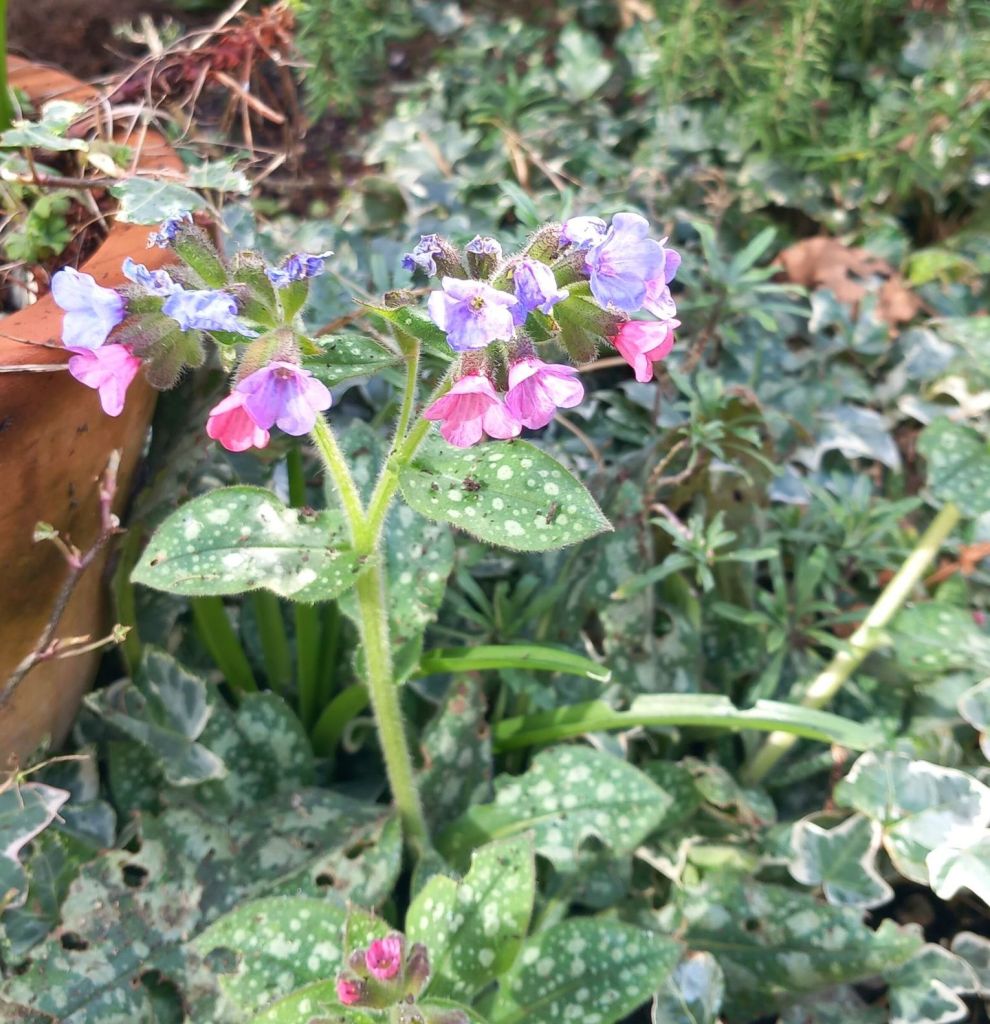
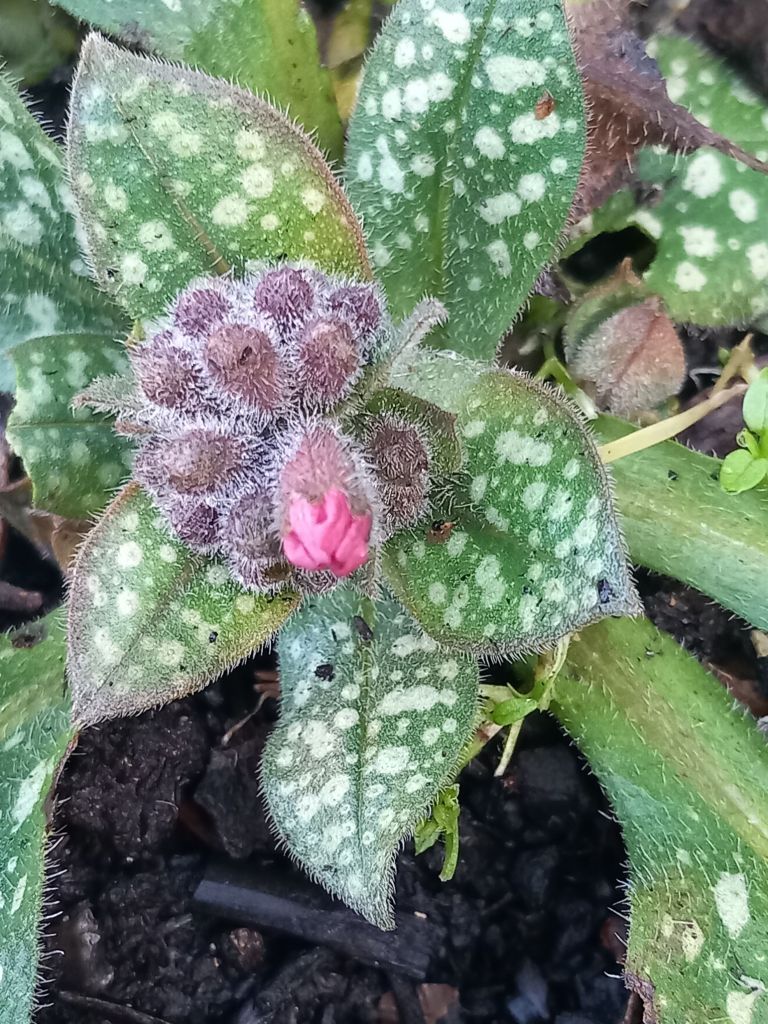
A few days ago, when we still had the sun, I was idly wondering if the hairy-footed flower bees were about. They’re among the first bees in my garden, with the gingery males flying around two weeks before the black females. And yes, I was in luck. I spotted two tearing around the rosemary and lungwort. Too fast for me to get a photo, but here are the flowers that bring them in.
Pulmonaria (Lungwort)
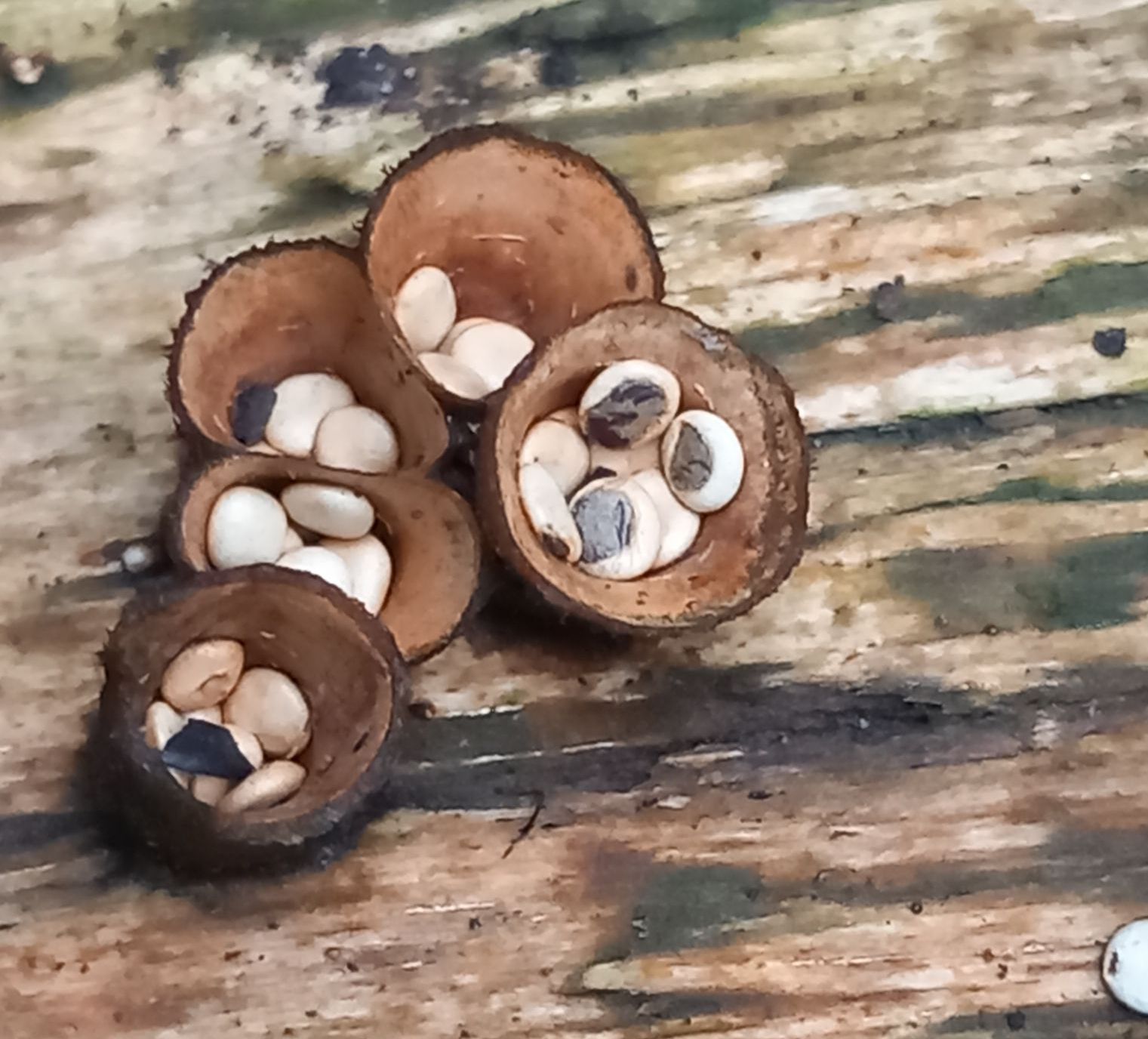
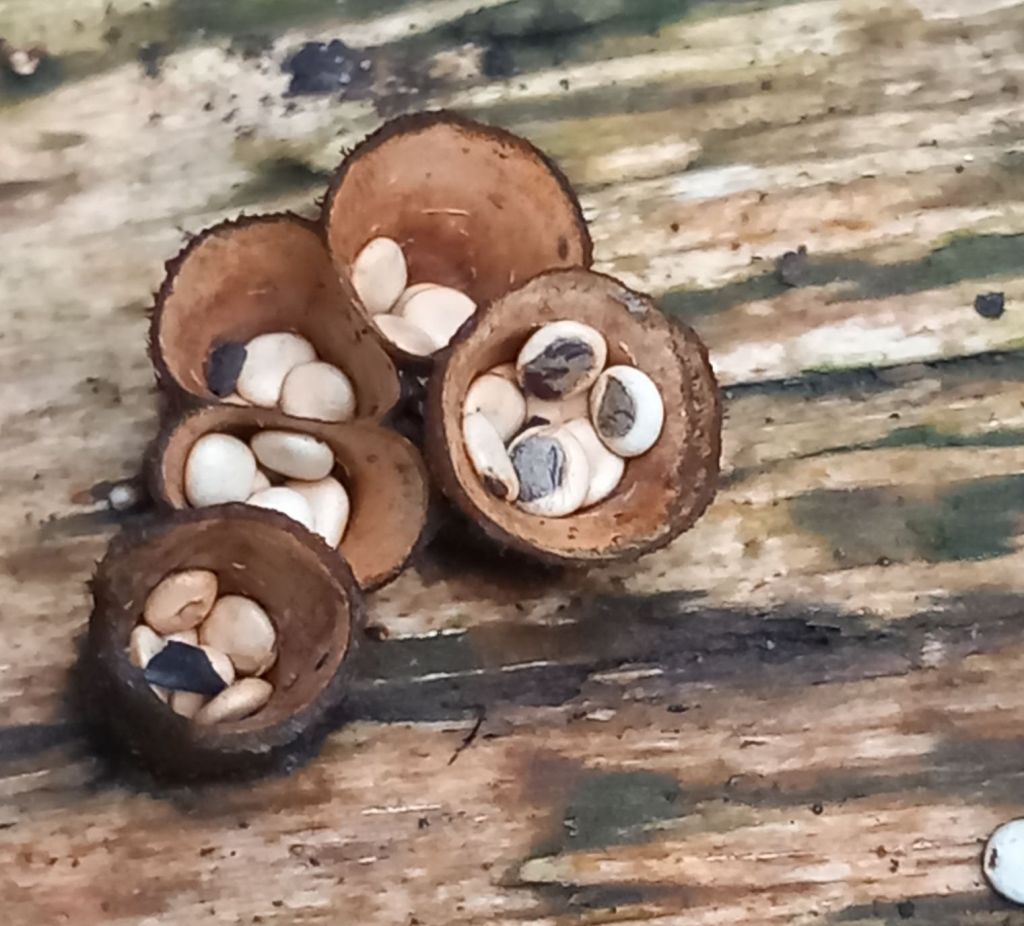
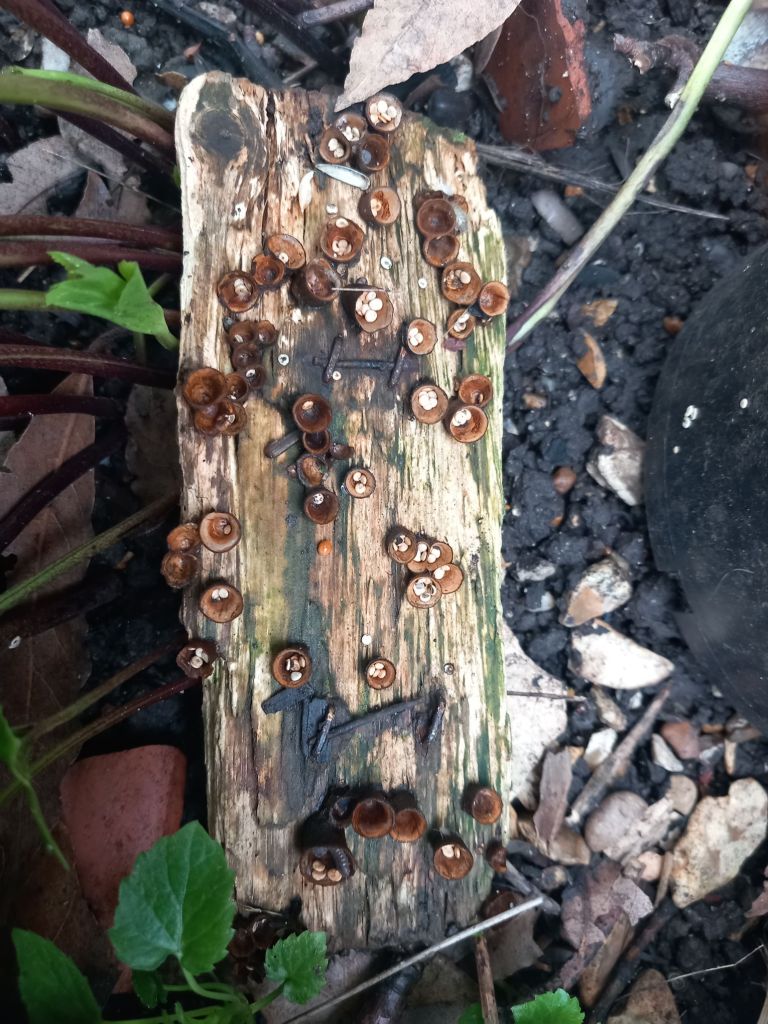
Sticking with the garden, I accidentally rediscovered these little gems, Bird’s Nest fungi. If you haven’t seen them, they are tiny, with each little nest less than 1 cm across. The second photo shows them in situ, on an old rotting piece of wooden garden edging.
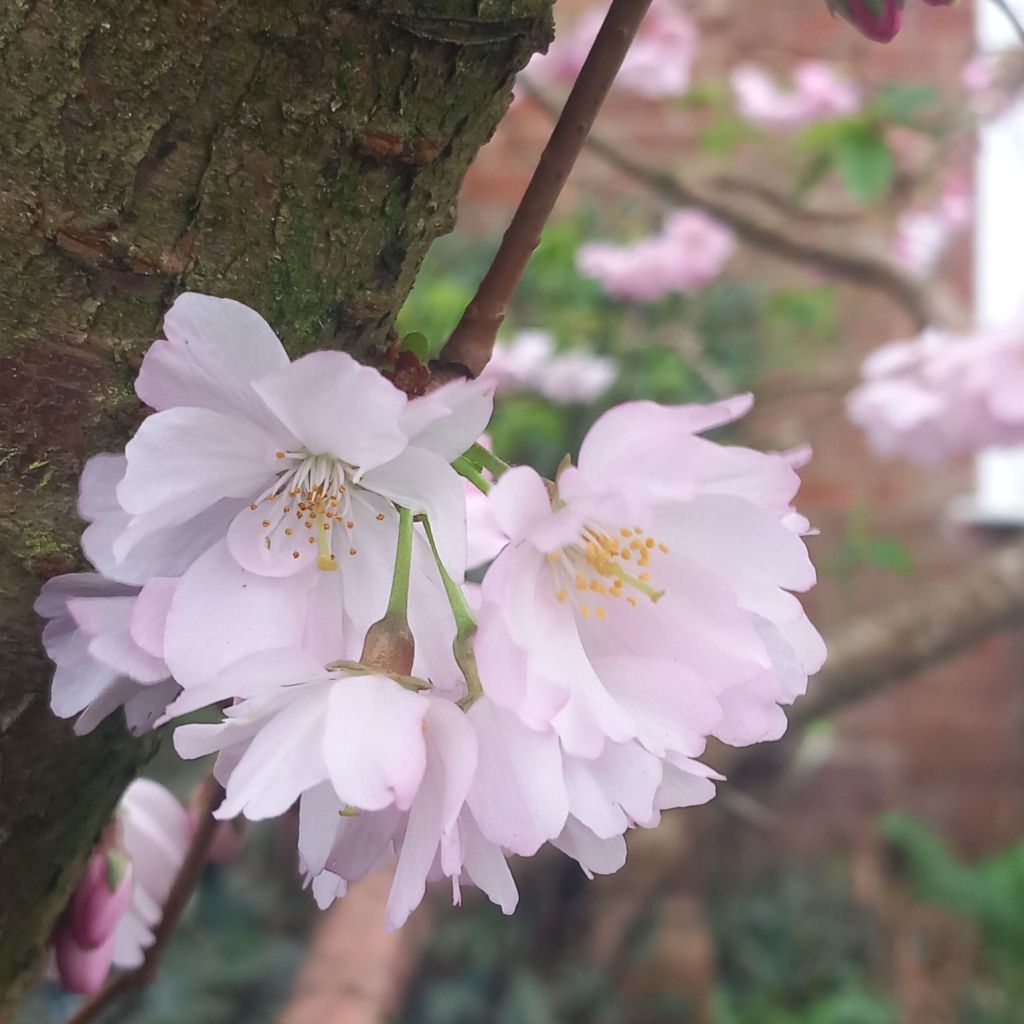
We also have a cherry in our front garden. The sunshine brought out a lot more flowers (and bees), so I took some time to have a closer look. Gorgeous.
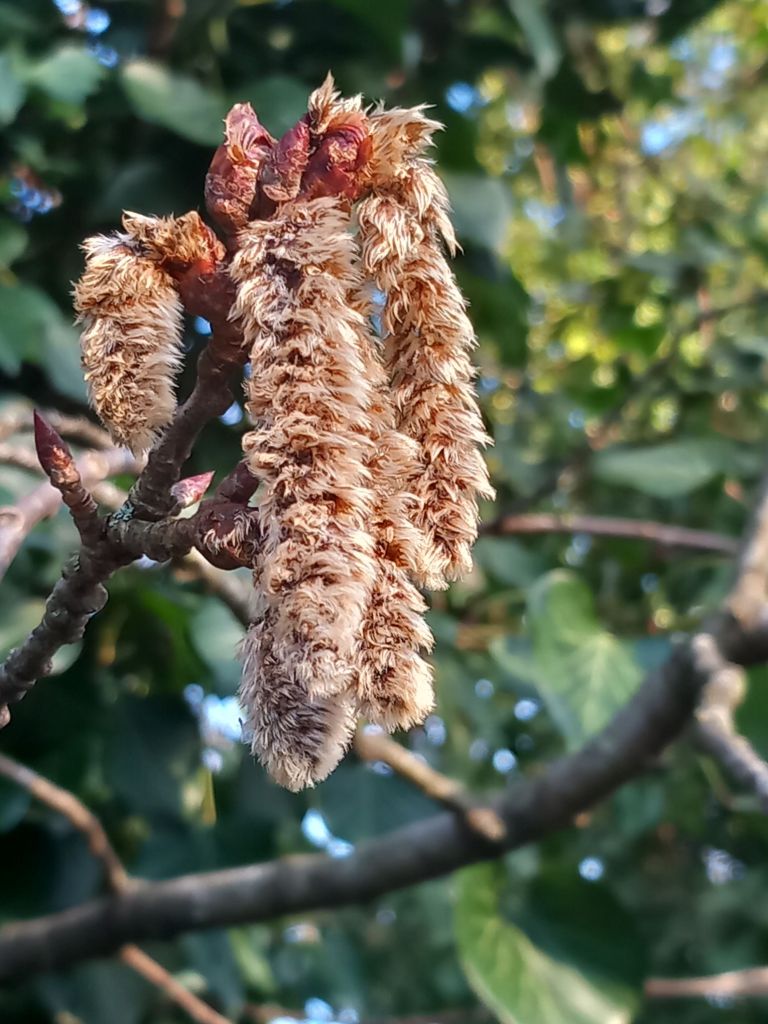
Over on Peartree Green, there’s a stand of aspen trees, and I wondered it the catkins were out yet, so I went to take a look. I love how furry-hairy they are!
The last photo for this week is a bit like the second one. You can’t see what it is that always puts a smile on my face. You need to hear it.
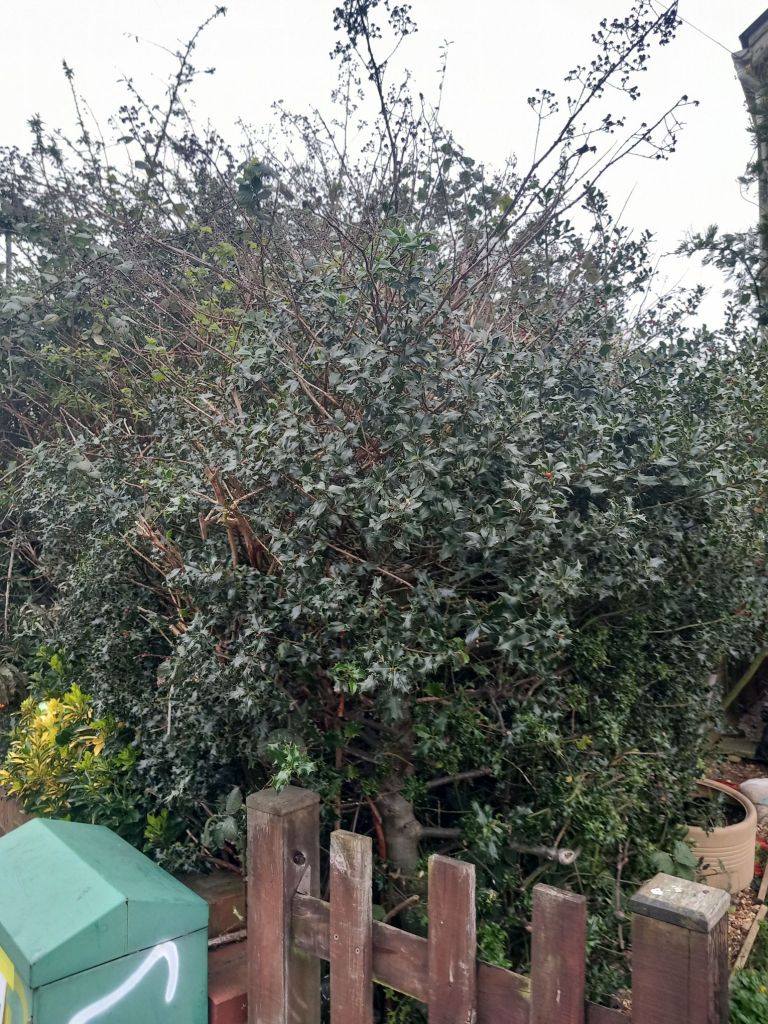
This little patch of scrubby shrubs in a garden on my walk to the Co-op is often alive with chirping sparrows. Now I’m paying attention, I’m noticing more and more of these patches around my area. I recommend looking out for them, and maybe having one in your own garden if you can.
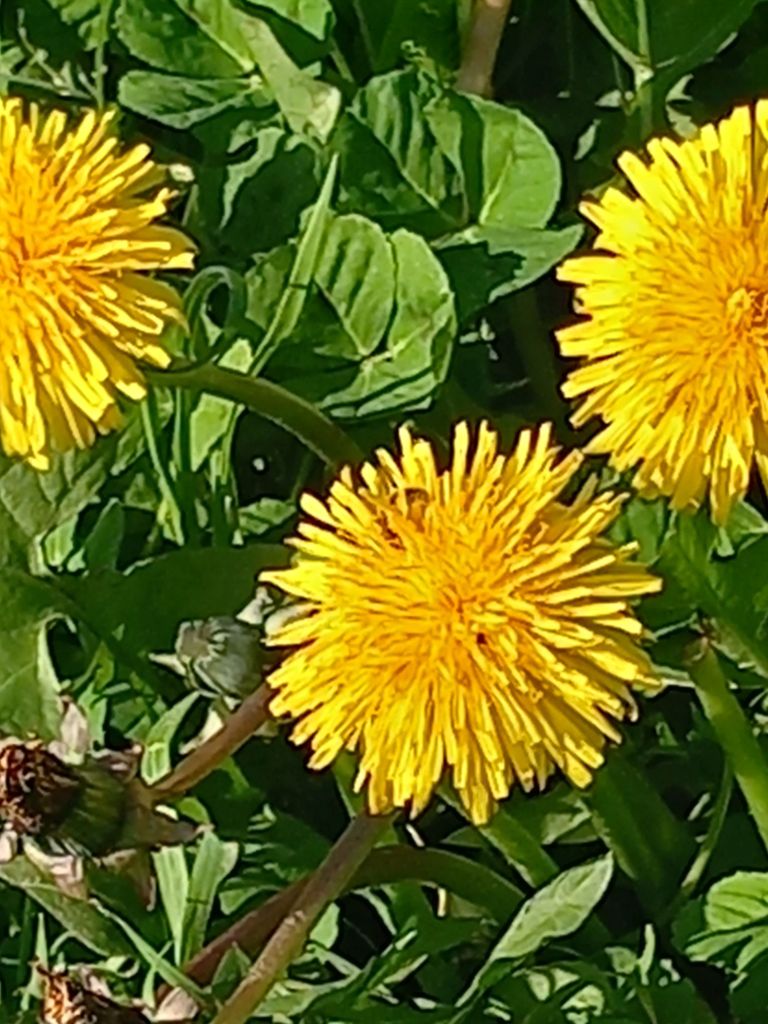
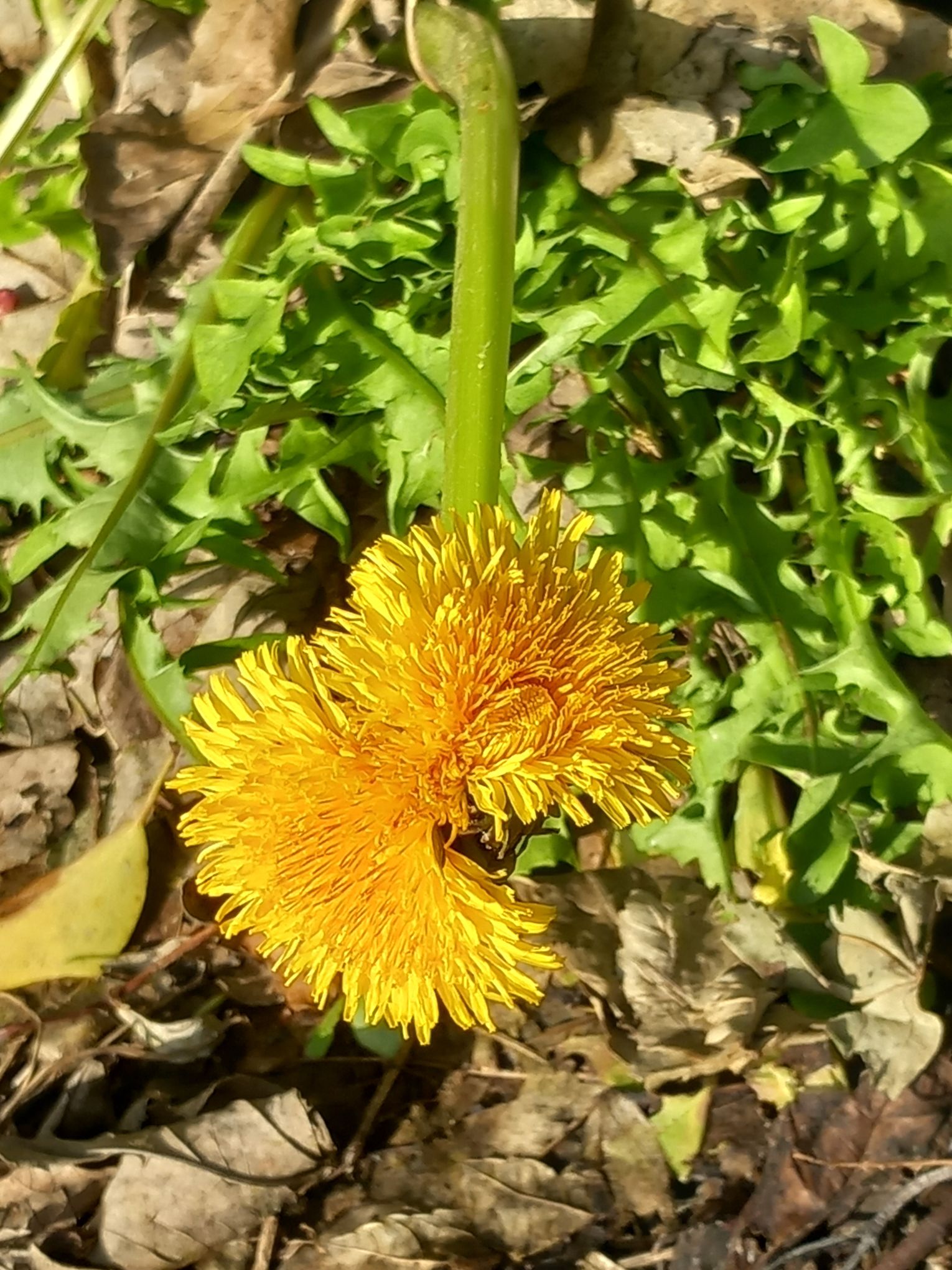
When you’re cycling uphill, you don’t usually want to stop. You lose momentum, and it’s hard to get started again. But sometimes you notice something that makes the effort worthwhile. As I pedalled from Hazel Road shore, uphill past the boarded up Yacht Tavern, towards the railway bridge on Sea Road, this stunning double dandelion caught my eye. Initially, I cycled past, but the lure was too strong. I went back, stopped to really take it in, then struggled to start back up the hill.
As I write this, I’ve heard a Dunnock singing. A Dunnock, not ‘the’ Dunnock, because this week, for the first time, I heard two. One was perched on top of the crab apple, and as I paused to listen to him, I then heard another sing in response from further away. Until now, I’d assumed it was one bird moving around, but now I know different!
I think that when you choose to spend a little longer, you notice more, and you become more connected to the nature around you.
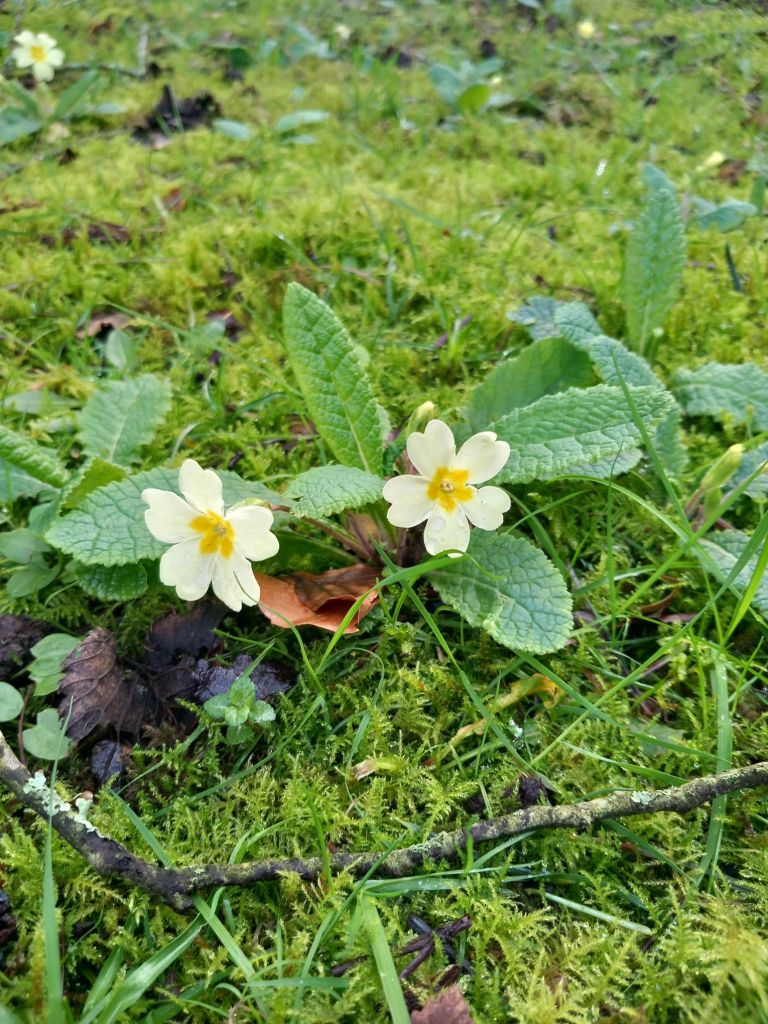
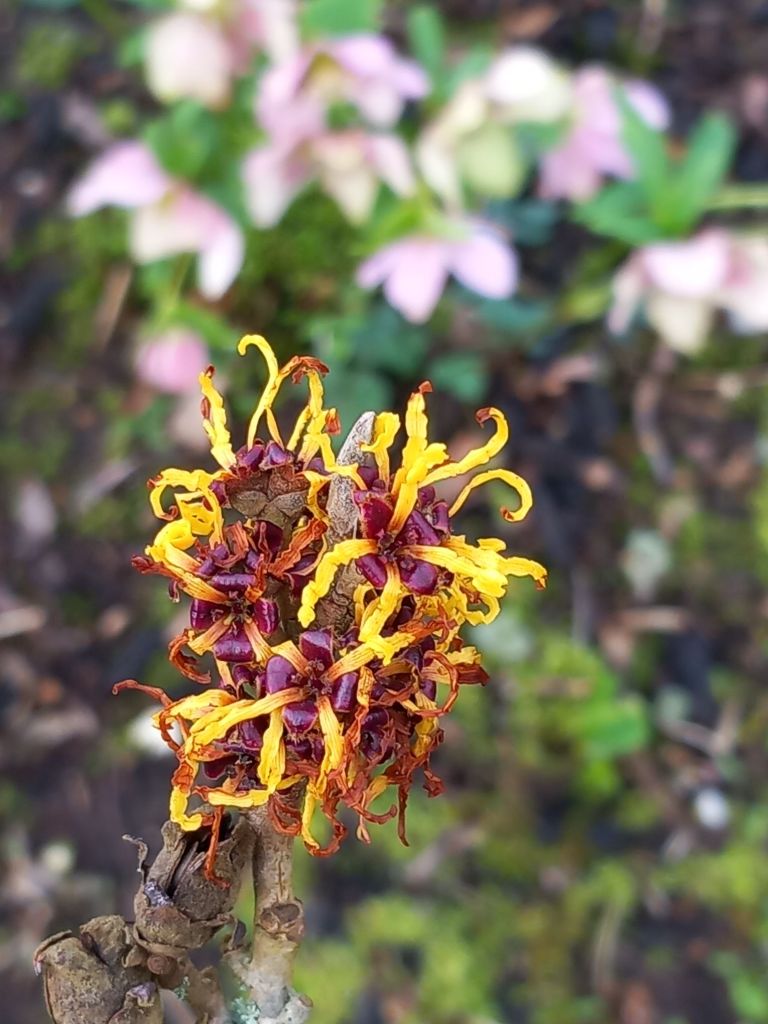
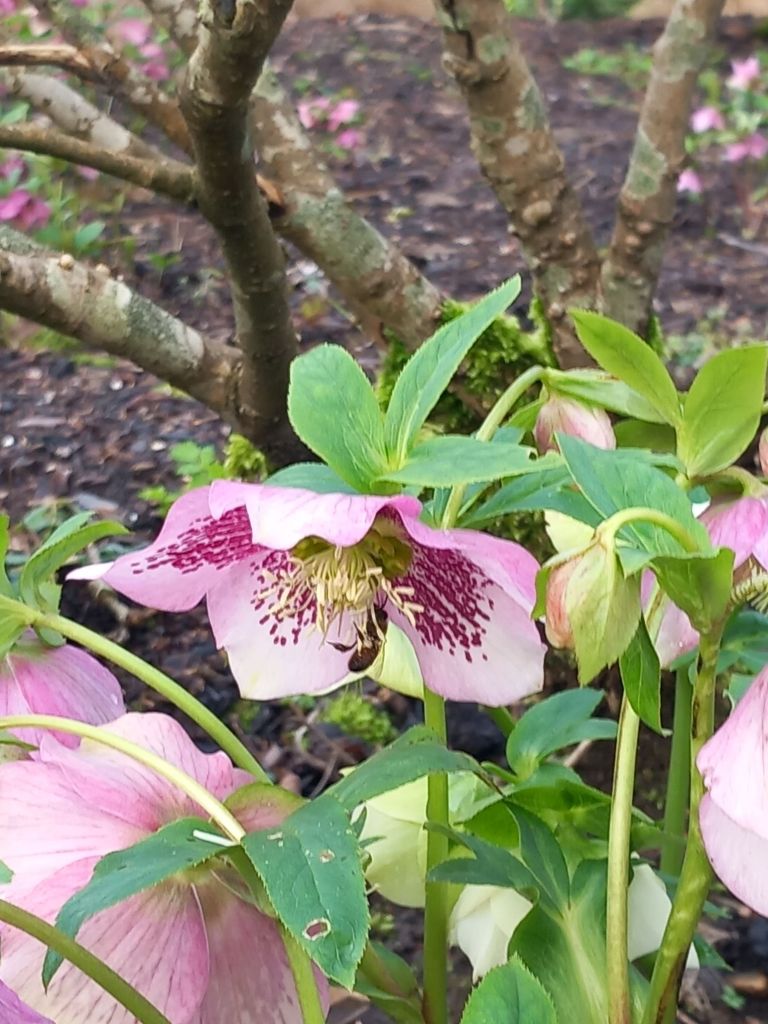
At the start of the week, I went to Hilliers Arboretum in search of early spring flowers, and wasn’t disappointed. As well as snowdrops and primroses, there were still a few witch hazel flowers (I love these!) and a hellebore was being visited by a bee.
PrimrosesWitch HazelHellebore with bee
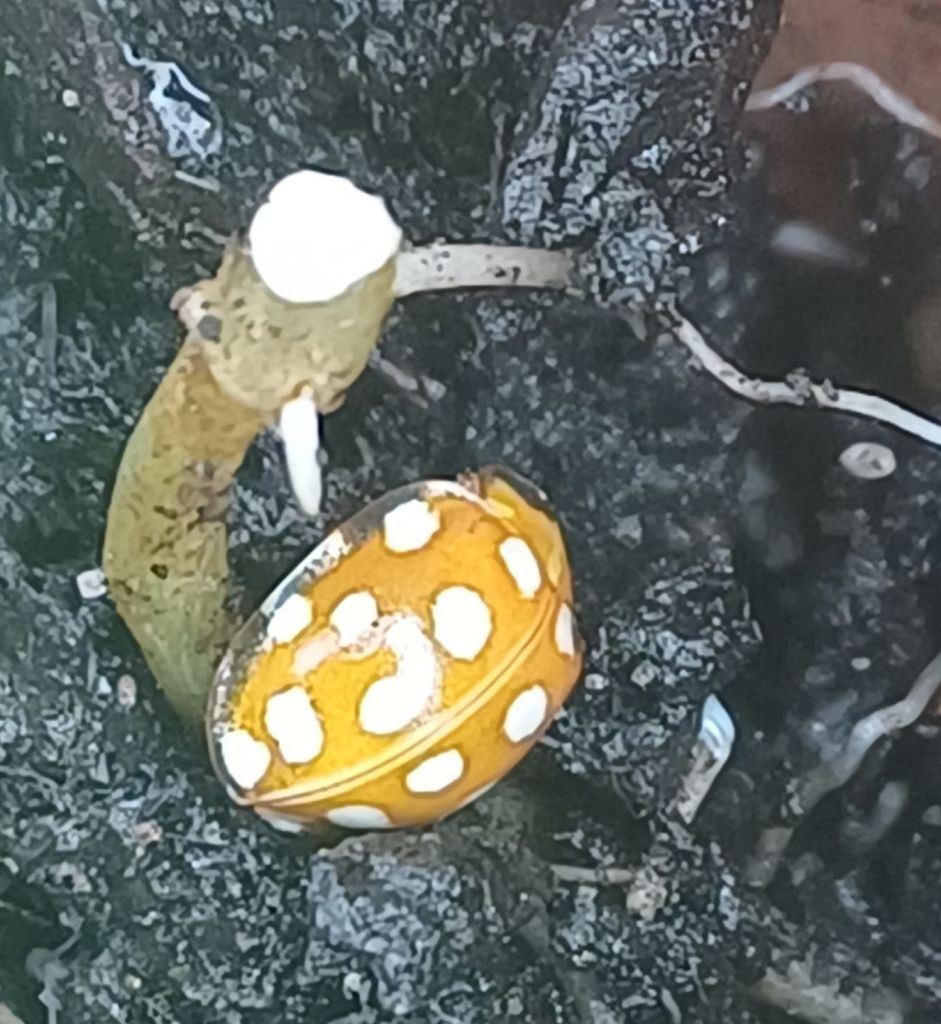
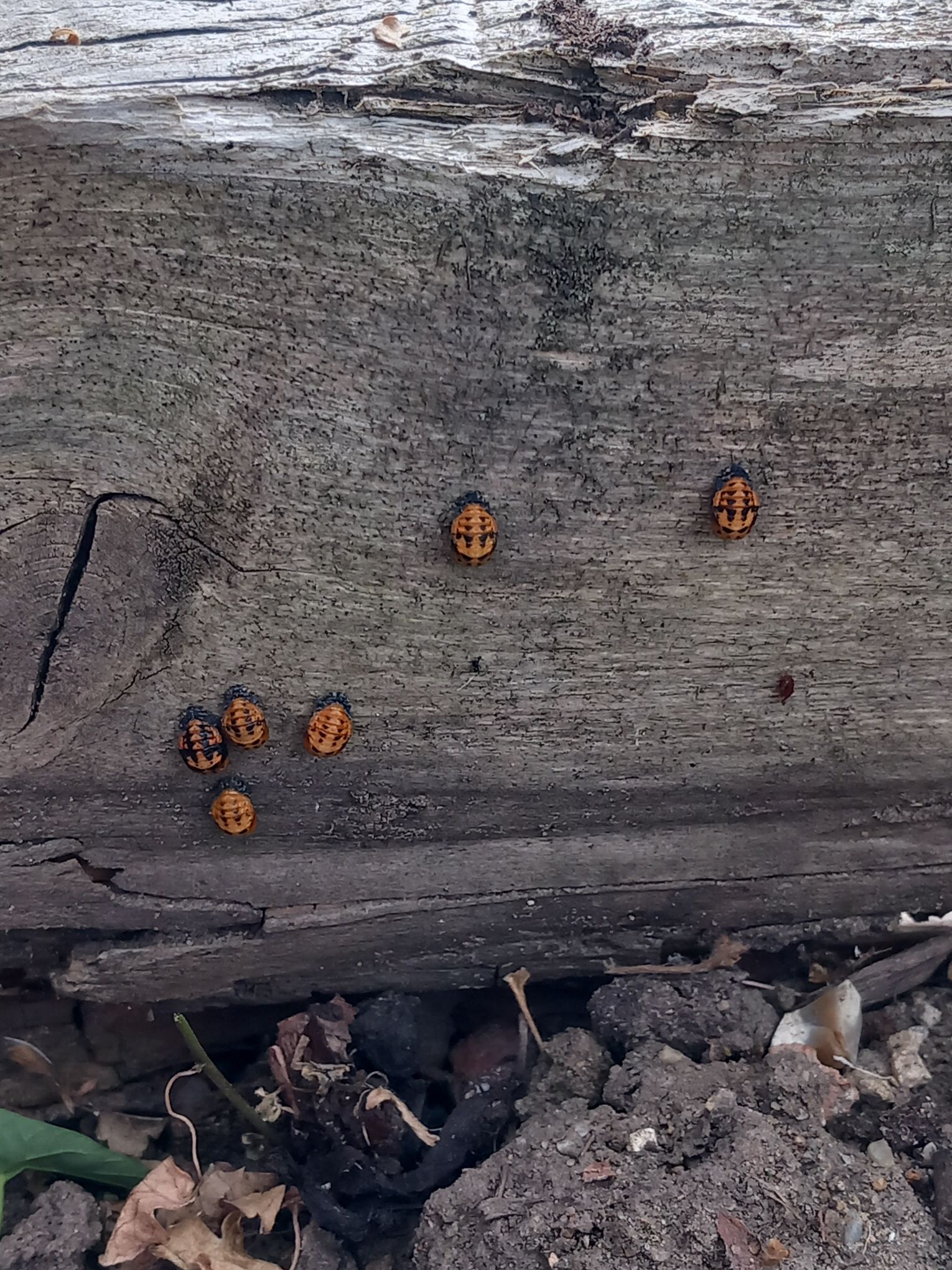
The next day, I inadvertently disturbed an orange ladybird in a pot in the back garden.
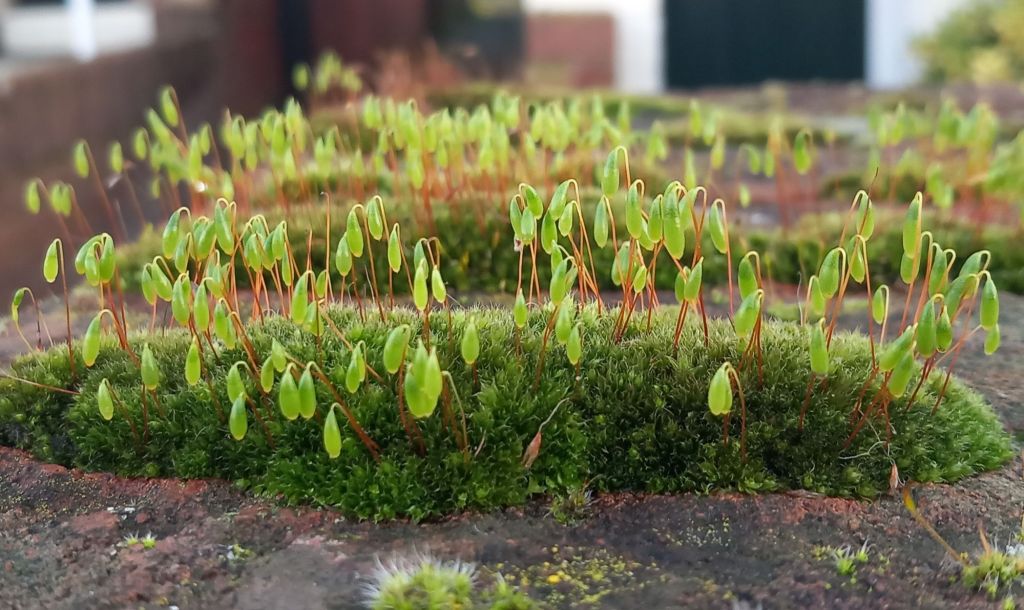
There’s nothing surprising about the moss on our front garden wall; i know it’s there. The vibrant green can be relied on to put a smile on my face throughout winter. I pause to appreciate it every morning.
Moss on our front wall
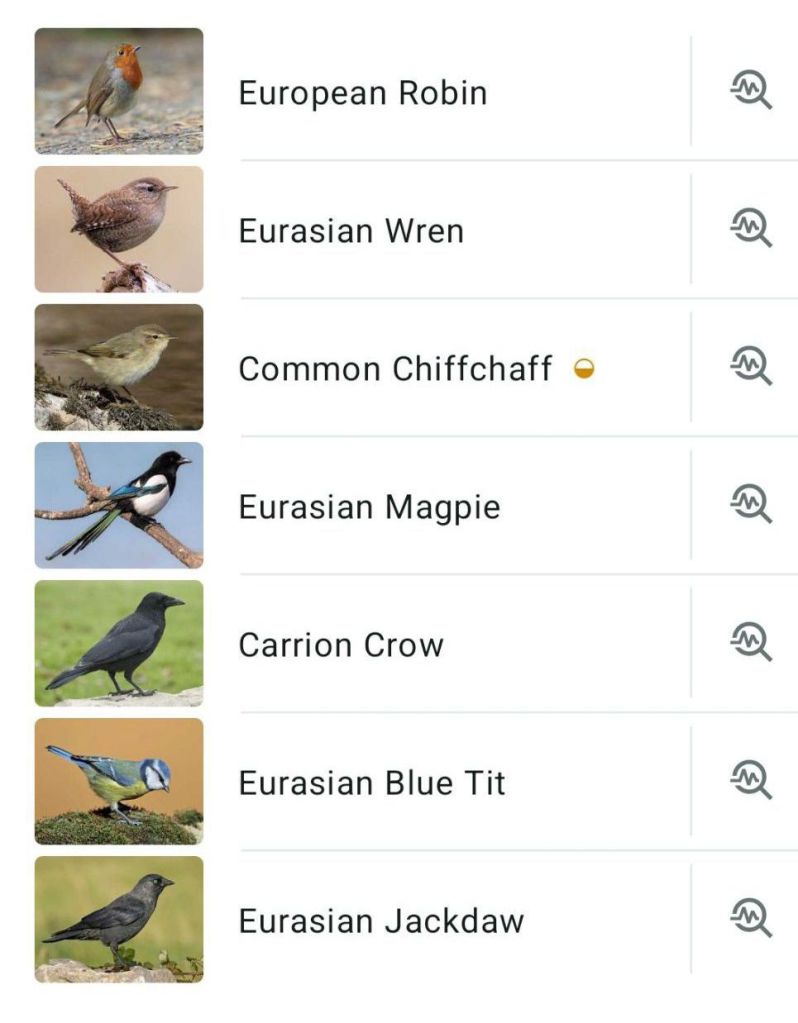
Over on Peartree Green nature reserve, the birdsong is starting to build as the season turns. One morning, I used the Merlin app to capture the moment. Seven species from one spot in the upper woodland.
Peartree Green upper woodland, full of birdsong
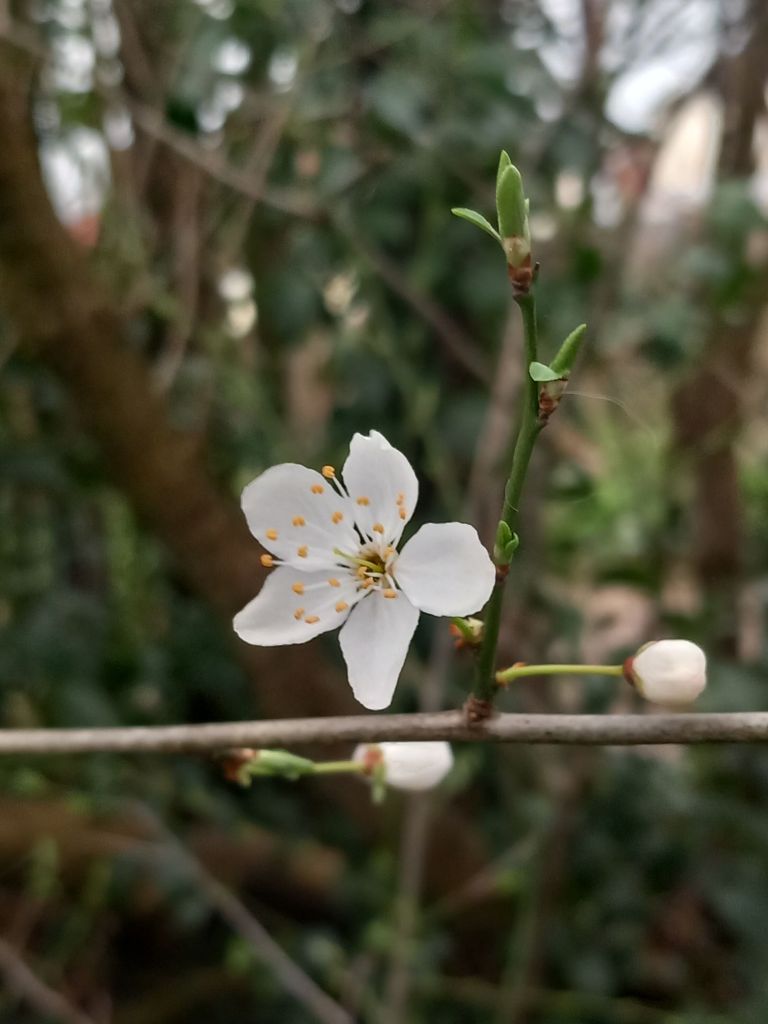
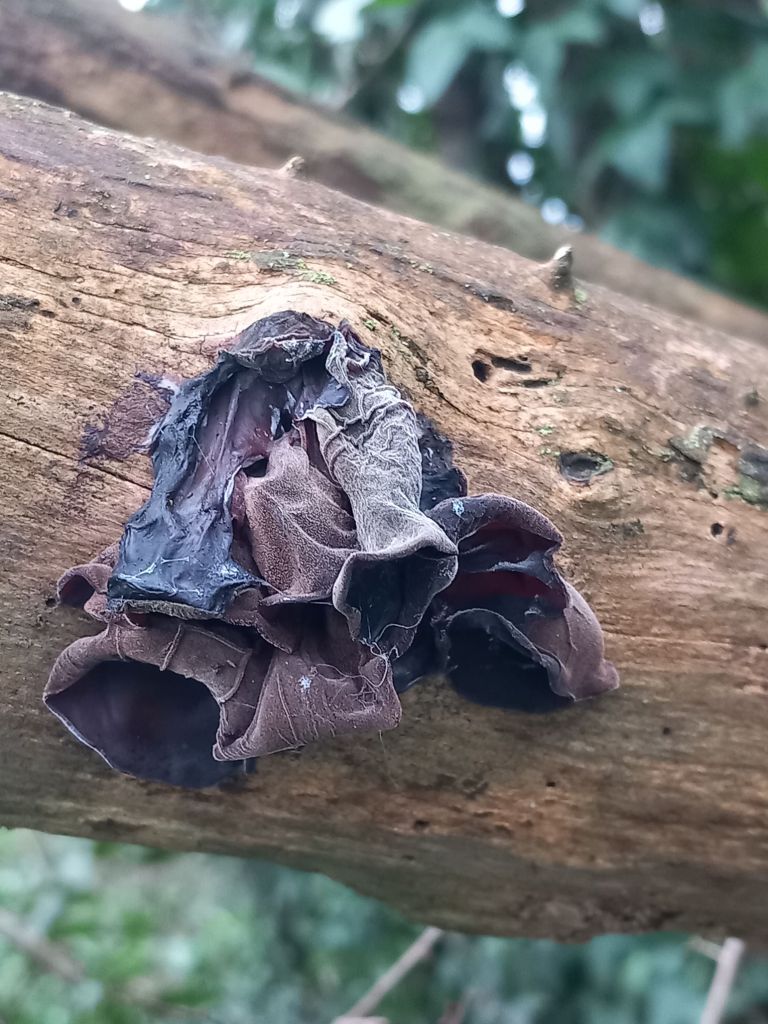
As I walked back along the track, I stopped at the elm hedge on Sea Road to see what was around. Plum cherries are in flower, and I noticed several leathery fungus fruits on the adjacent shrub. I don’t know what they are, but it doesn’t matter. They’re fascinating.
The final joyful moment this week was this Great Spotted Woodpecker on Southampton Common. I heard it drumming – a sound tbat sends shivers down my spine – and was looking for it when the friend I was meeting arrived. His eyesight is better, so he soon saw it. His phone camera is better too – this video is his.
If you listen carefully, you can hear me talking to a man and his daughter, as I point out where the woodpecker is. It’s joyful to experience these moments of nature, but even better to be able to help others to experience them too. I’m looking forward to what next week will bring!
He’s recently been singing from the crab apple in our garden.
The Dunnock on our crab apple
Yes, I miss hearing a Blackbird, but it occurred to me that, wow, the Dunnock is a really impressive singer. It’s time to appreciate him more.
He’s inspired me to share more moments from this week that have made my heart sing.
Lungwort budding at Woolston Station Community Garden
Flowers are coming into bud at Woolston Station Community Garden, and Lungwort is one of my favourites. Being at the garden this week, improving it for wildlife, has been a real treat.
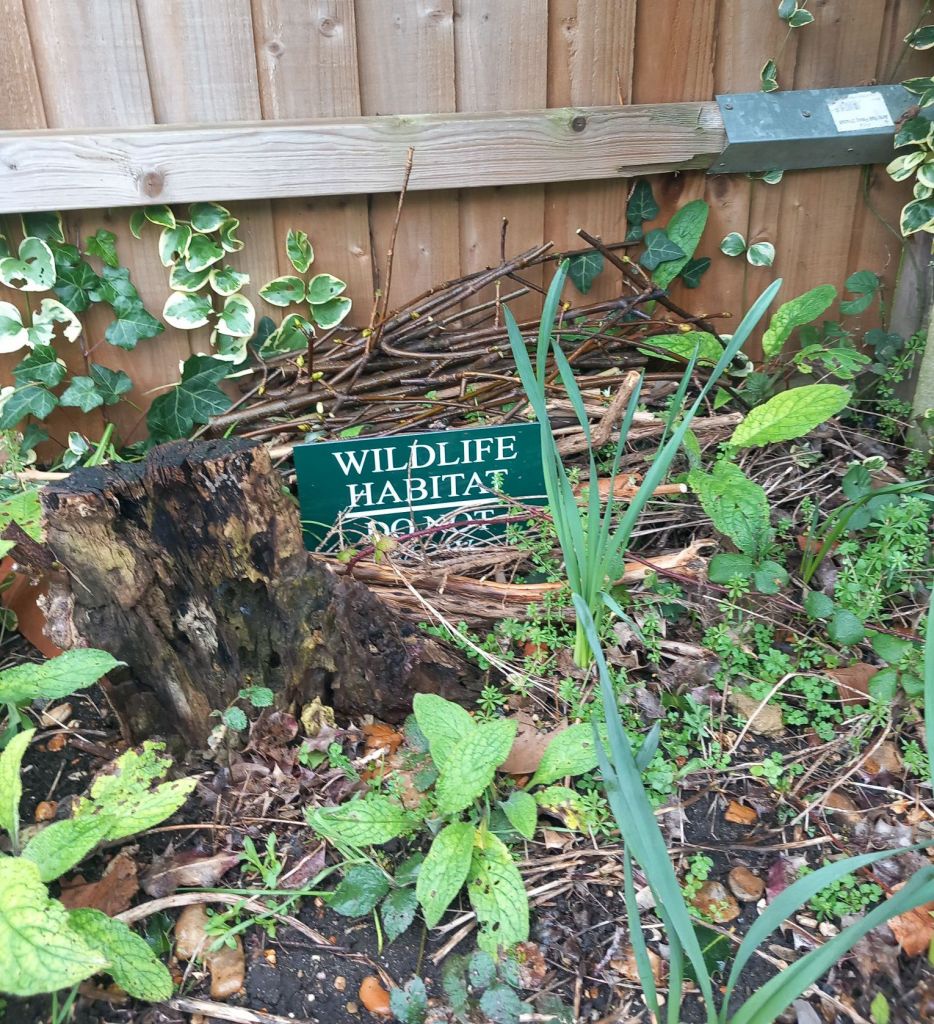
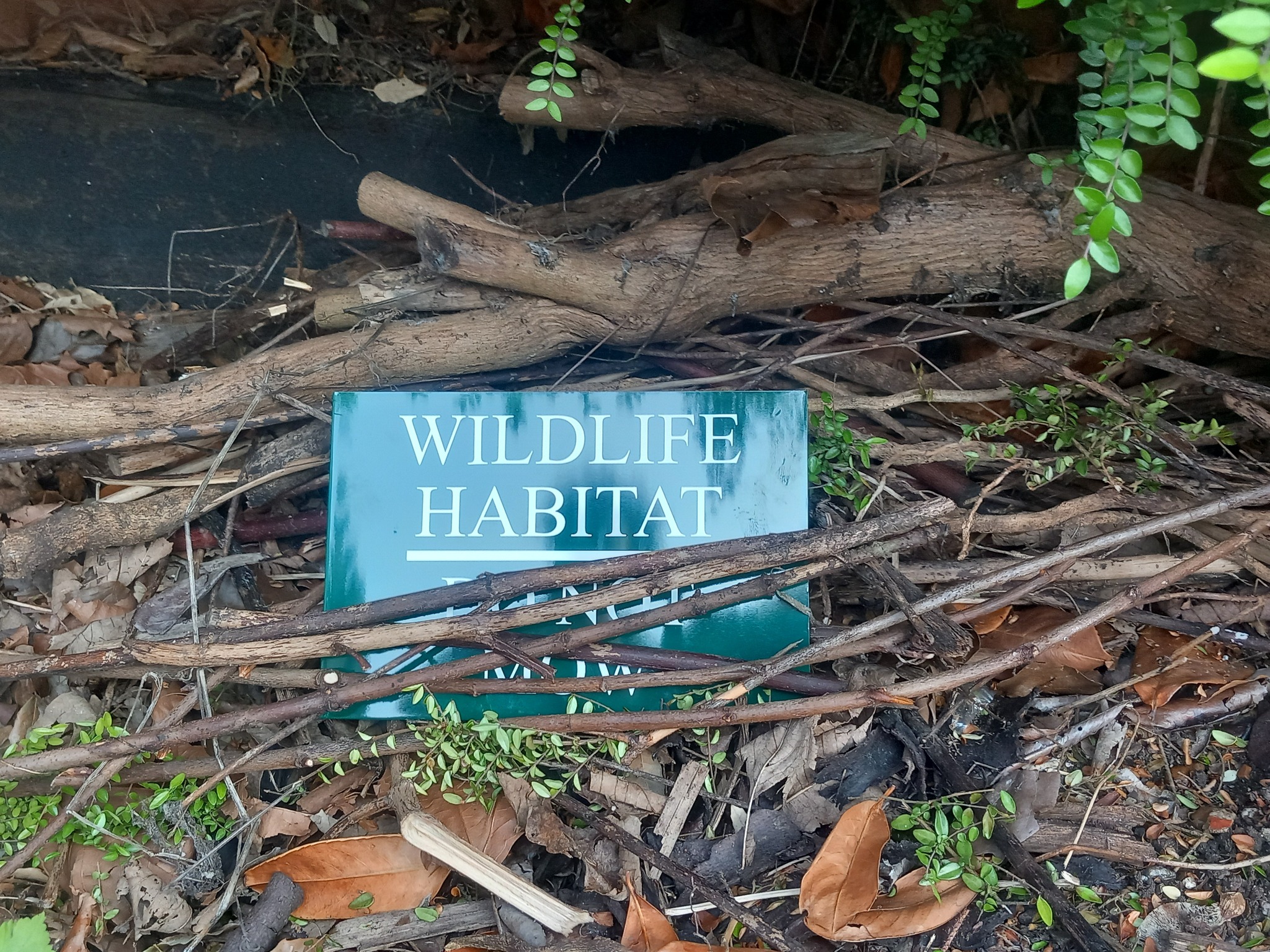
A rotting stump, a pile of sticks, and some ivy. All good for wildlife.
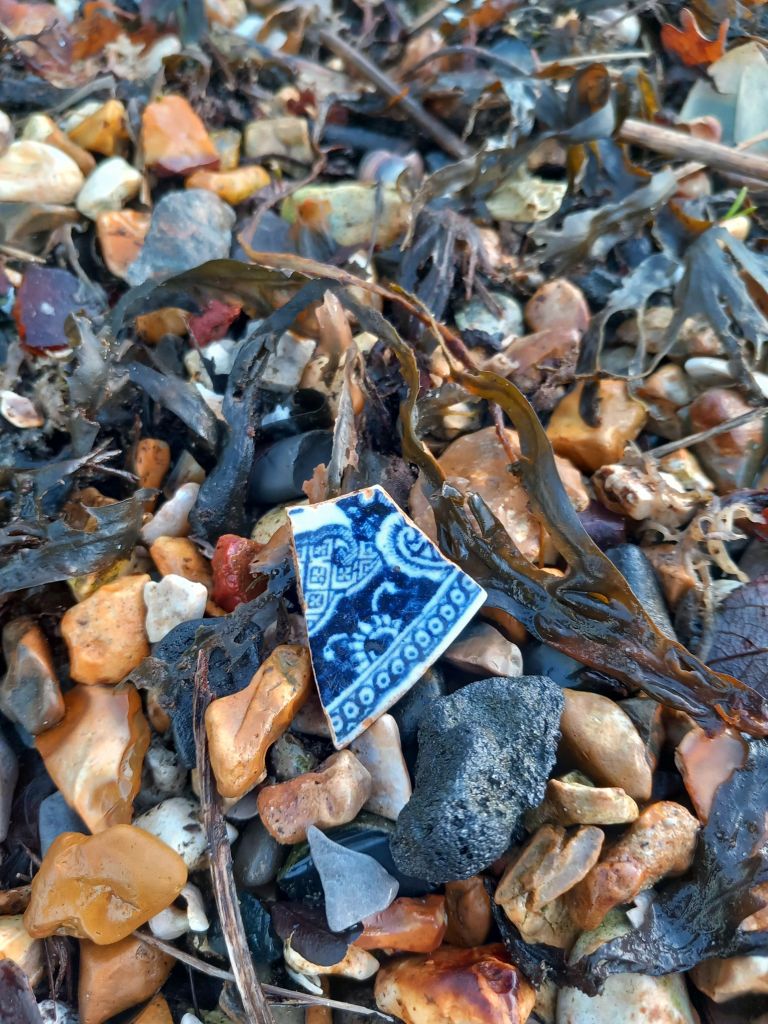
A morning walk to the River Itchen at Hazel Road shore to search for crockery yielded this treasure.
Treasure The Itchen Bridge
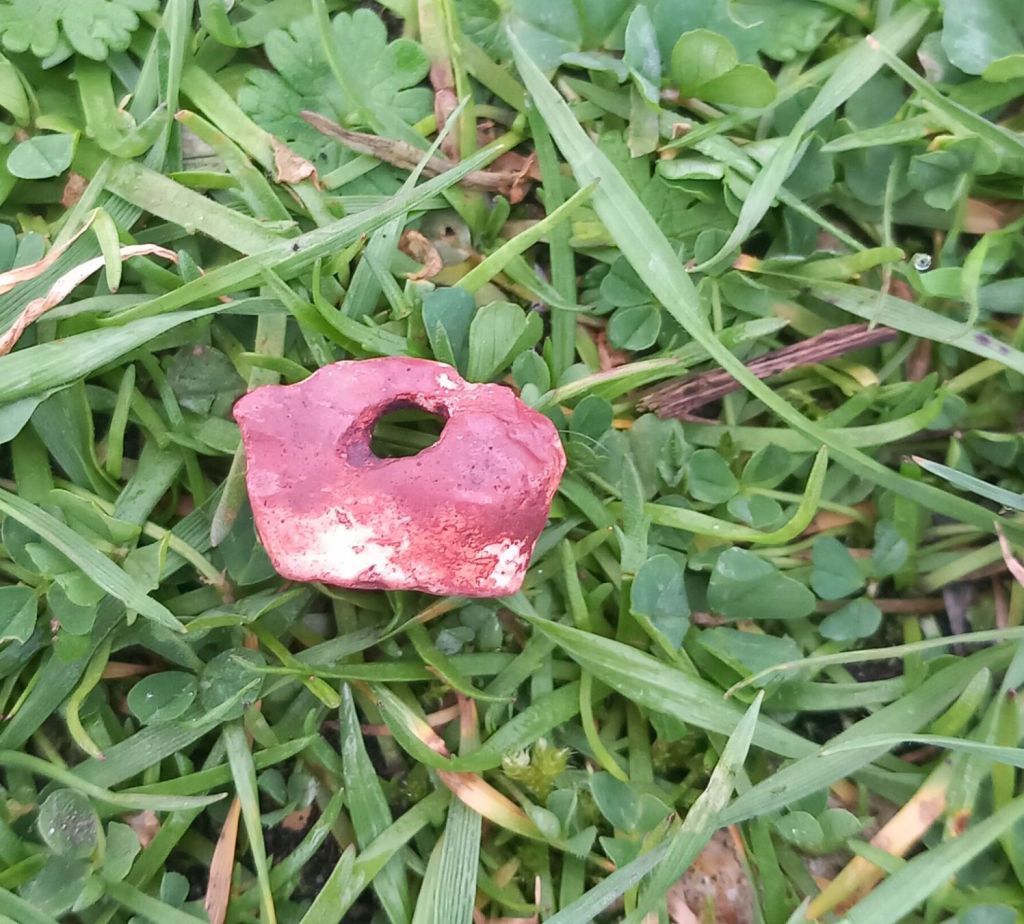
Later in the week, a cycle to Weston Shore rewarded me with a hagstone for my collection.
Hagstone from Weston Shore
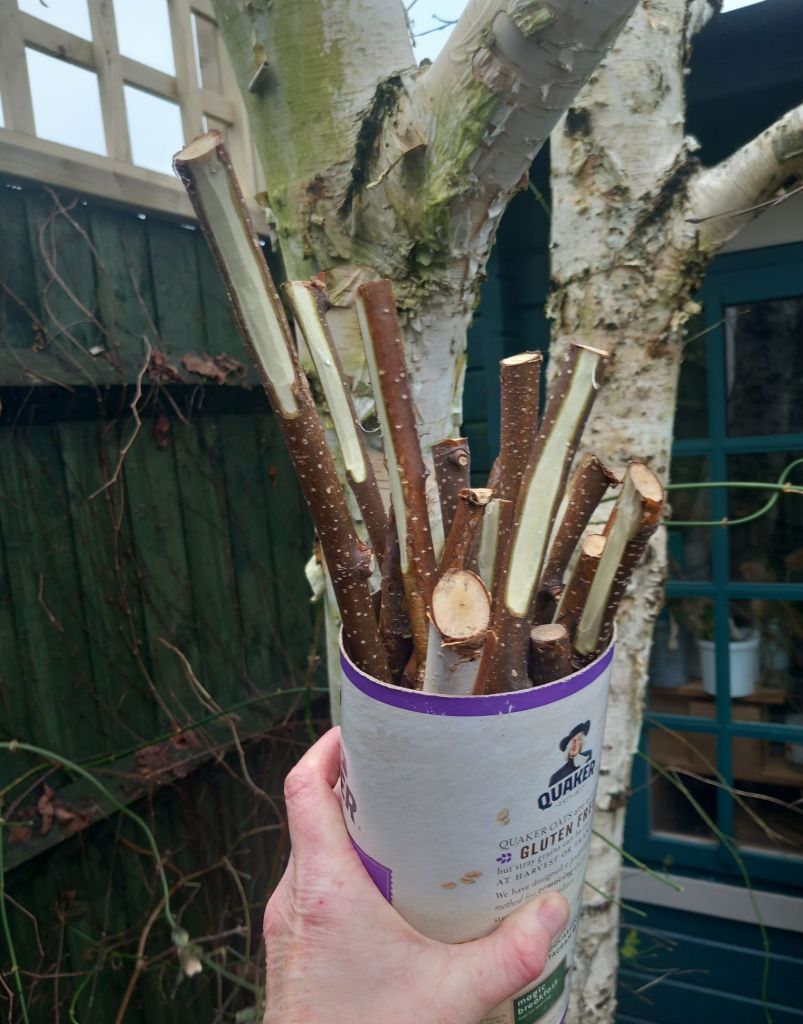
Making plant labels from our Silver Birch cuttings was another simple joy. I must remember to be creative more often. (I’m really going to miss that tree).
Plant labels made from Silver Birch cuttings.
It’s been an eventful six days. Sometimes, it feels like it never stops raining, and I barely leave my laptop. So I thought I needed a reminder that it’s not been a bad week.
This is what I used to hear when I opened the front door early in the morning. That is, I heard a blackbird from across the street, and the first part of his song sounded just like, “I am a blackbird”, and I added the rest (and more, but that’s another story!)
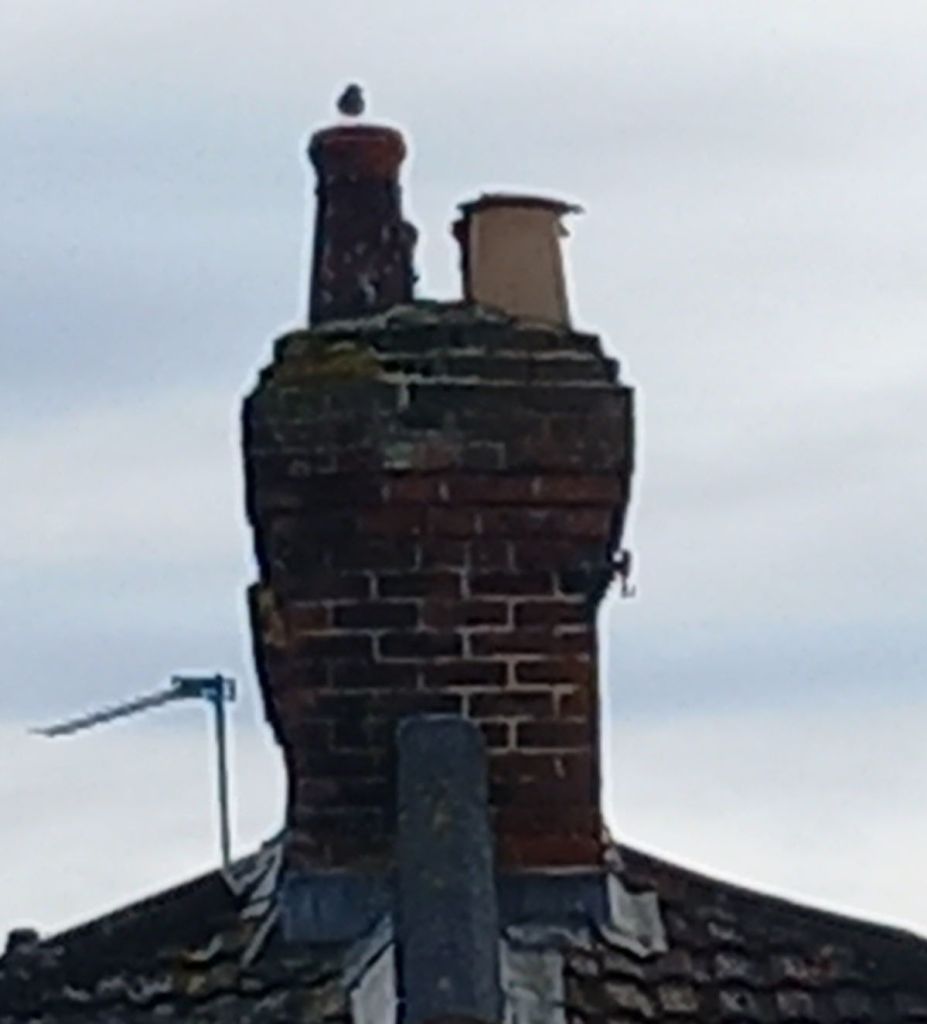
At dusk, he’d be singing from a chimney pot a few houses away, and the last few notes would be scratchy and squeaky. It was almost like he lost concentration at the end.
He’d spend time in our silver birch, and use the birdbath regularly.
A few months ago, I realised I hadn’t heard him for a while. And I hadn’t seen a blackbird in my garden for some time either.
I really miss ‘my’ blackbird. I don’t know why they’re absent, but through Southampton Wildlife, a Facebook group, I learned about the Usutu virus. This article from the RHS gives advice on how to reduce the spread of this mosquito-borne disease, including minimising standing water and cleaning birdbaths regularly.
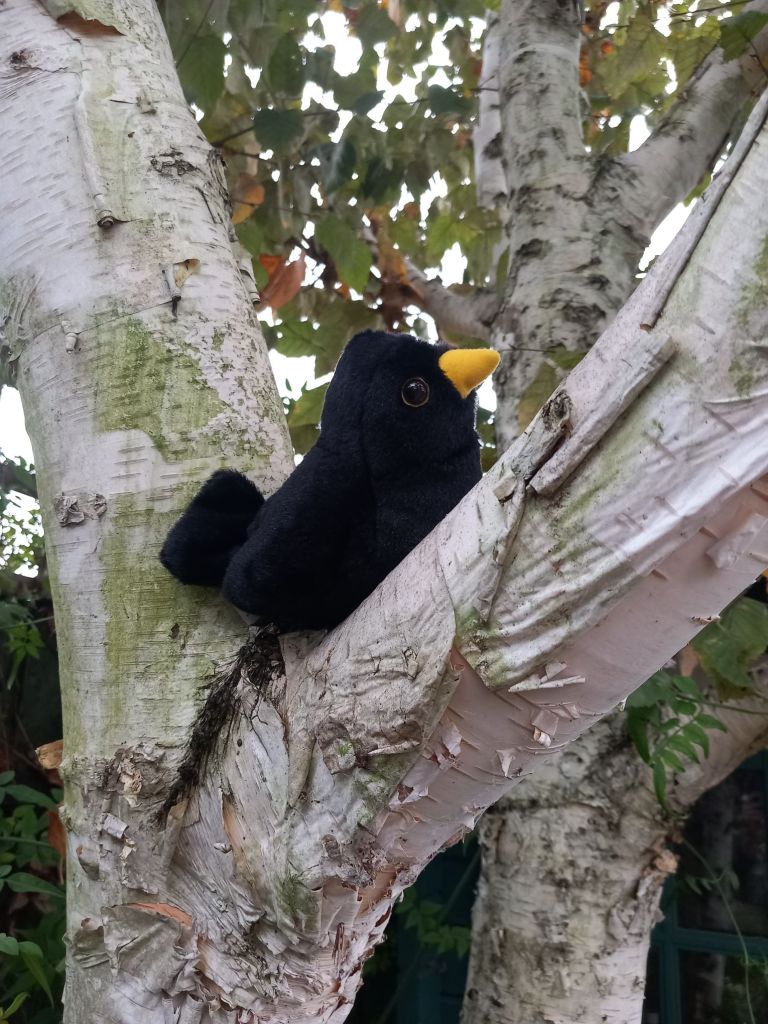
Though the birds seem to be missing from my area, they are still around in other parts of the city, so I take heart from this. I appreciate the birds I do still see and hear in my garden – starlings and sparrows, blue tits, goldfinches and greenfinches. The occasional wren, dunnock and sparrowhawk. And of course, the summertime swifts. But I really miss the blackbird. It’s hit me quite hard, because it’s brought home to me what it’s like to lose a species. Even sadder is that many people probably haven’t noticed they’ve gone, because they didn’t notice them in the first place. When I took a singing toy bird to a nature connection event, I was shocked that some people didn’t recognise the bird or his song. I thought I’d chosen a bird that would be known in the urban area we were in. But it wasn’t familiar to everyone.
My singing blackbird in my silver birch
Remember there was a poll to choose Britain’s national bird some years back?
The robin won, but a colleague at the time said to me that she thought it should have been a blackbird, for their song. I suppose robins are just so much more familiar to people, through Christmas cards if nothing else. According to this BBC report, the blackbird was in second place until children’s votes were counted.
The poll was a decade ago, in 2015. Back then, I have to admit that I hadn’t paid much attention to blackbirds myself. I hadn’t really noticed them, perhaps because they seemed so commonplace. Hearing a Tawny Owl from my flat in Portswood was exciting because it was unusual. So maybe Blackbirds becoming less common will give them an edge, and more people will pay attention to them. I hope so, because we need to notice them, to treasure them, before it’s too late.
If you want a wildlife-friendly, sustainable garden, making your own compost from green waste is an obvious thing to do. It’s something I’ve never done before because I’ve never had the space. But now, with both an allotment and Woolston Station Gardens, I’ve got the chance to compost – and I’m really enjoying learning and doing!
I’ve been making leafmould in bags for a few years. It’s really easy, even when you don’t have much space. I’m also encouraging more people to have a go, especially volunteers at gardening projects I’m involved with as Wilder Southampton officer with the Hampshire and Isle of Wight Wildlife Trust. I found some clear instructions here, from the Shropshire Wildlife Trust.
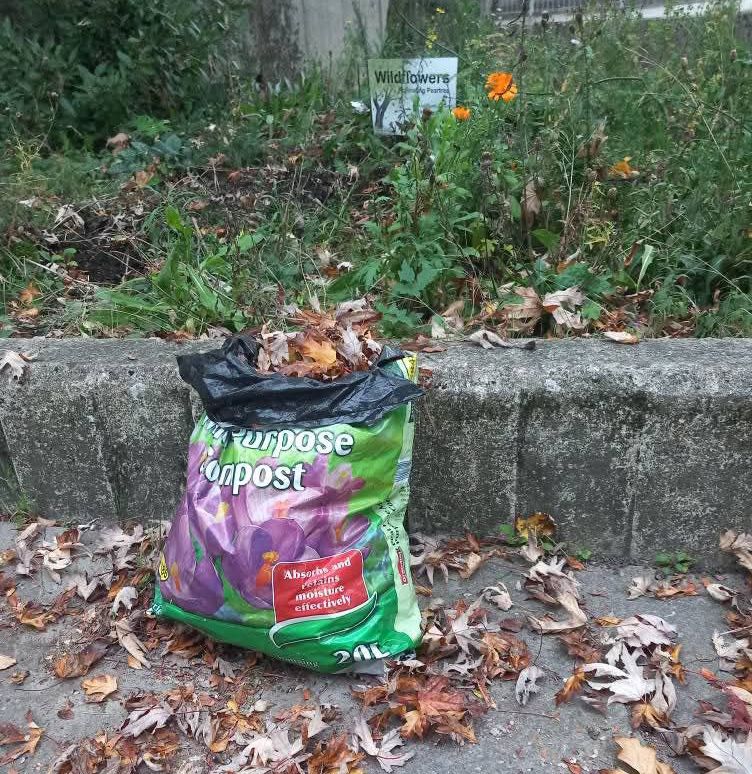
Collecting leaves at the Tree Triangle.
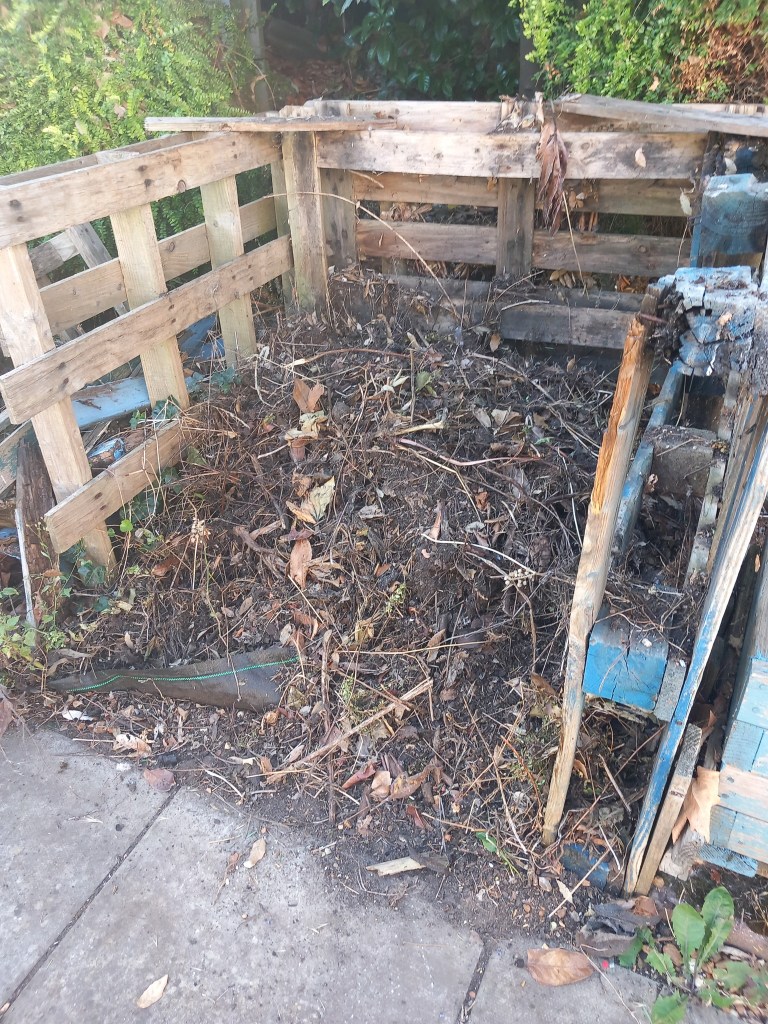
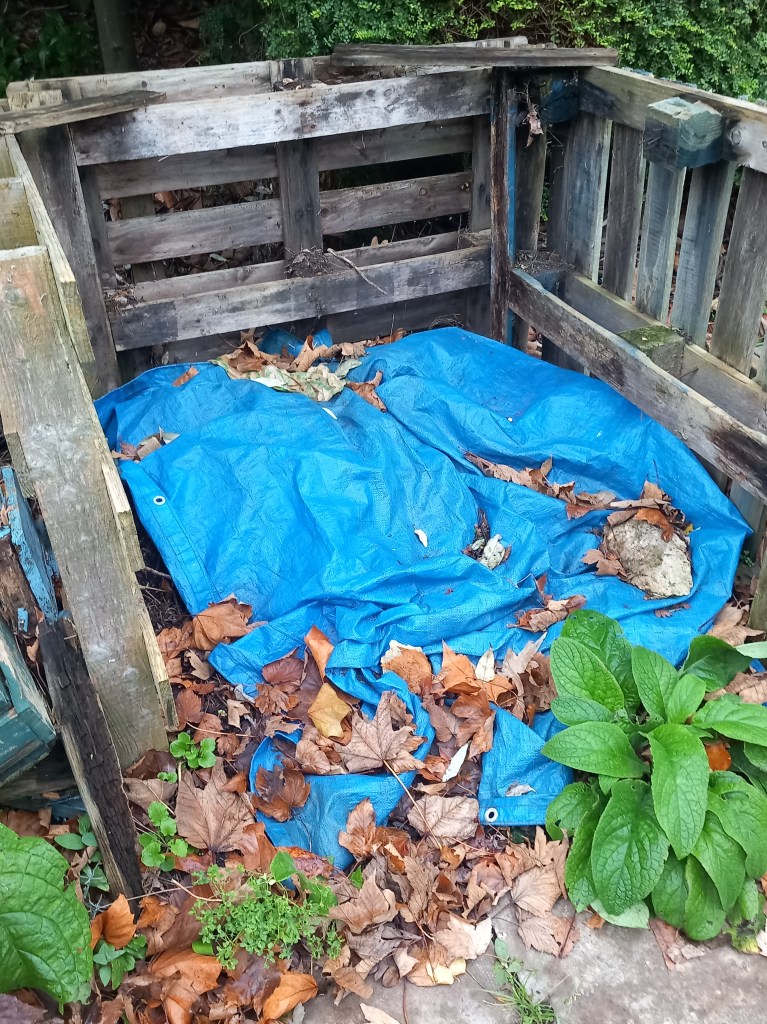
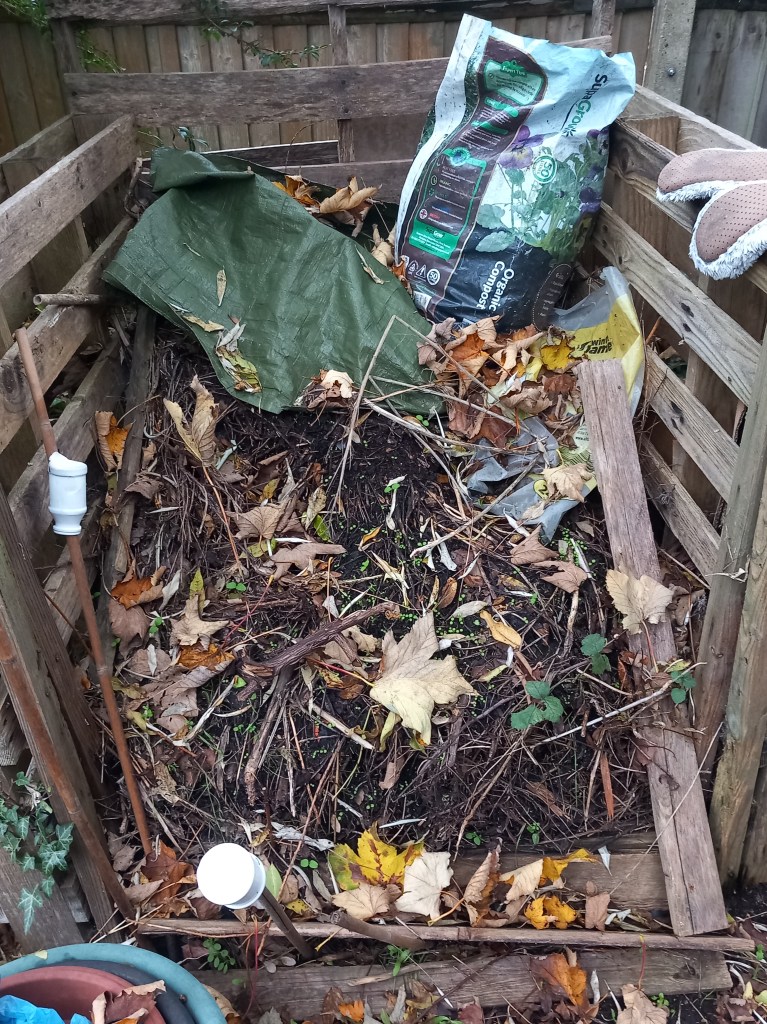
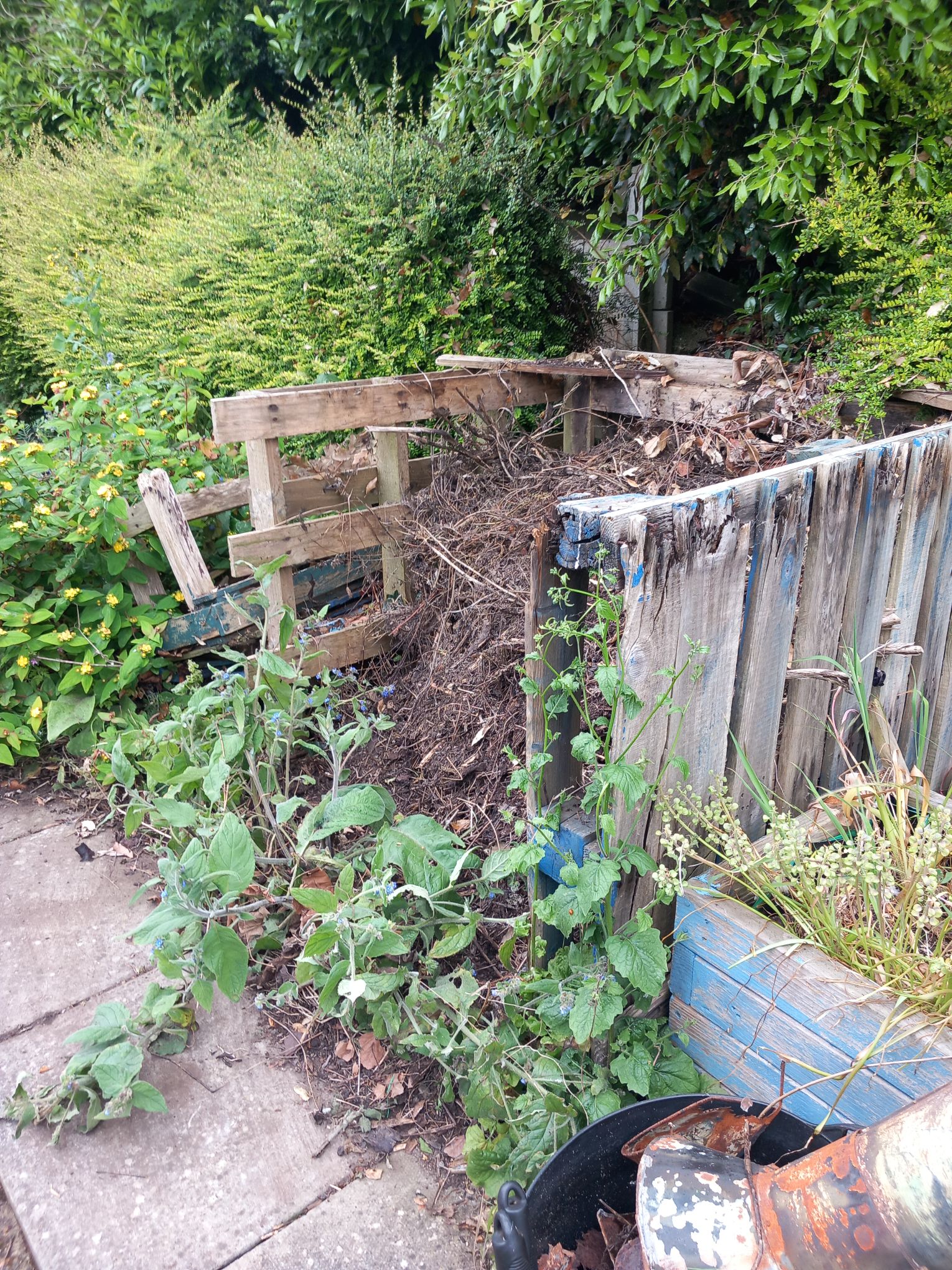
When we started volunteering at the station garden, there were two pallet bins. Both had a lot of large woody plant stems in that weren’t going to break down any time soon. We removed them and added them to the habitat piles, then I covered what was left in one of the bins, to speed up the process of breaking the material down.
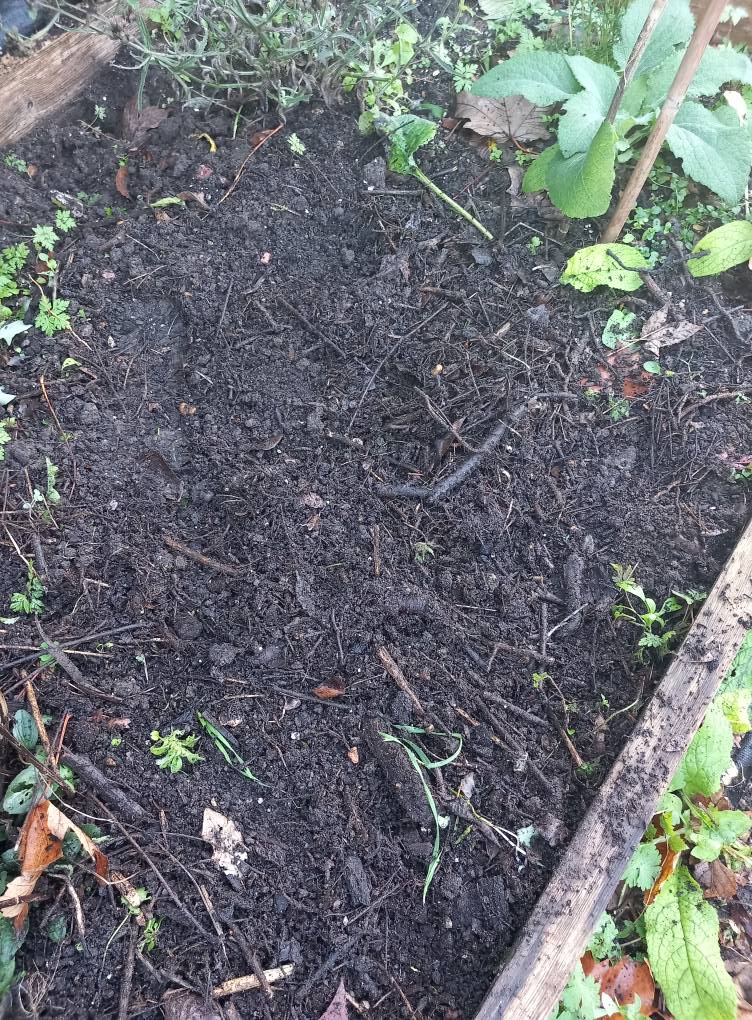
I’ve also been learning the basics of composting from a free beta test of a course by Garden Organic, which I was offered by Hampshire Community Rail Partnership because I’m a garden volunteer. Using your own compost means it’s full of woodlice, centipedes and other small creatures that are breaking it down, so this is a great way to improve the structure and biodiversity of your soil. We needed this , as the soil was pretty lifeless when we started at the garden in late spring. Gardeners often mulch with compost in autumn, but the Garden Organic tutor suggested that spring can be better, as earthworms are more active and therefore will incorporate the organic matter in to your soil. I’d initially thought our compost wasn’t ready yet, but realised it was ok to use it for mulching, so I added some to the hedge bed that was looking a waterlogged. Improving the structure should help it retain water that can help plants during dry periods.
Compost applied to the hedge bed.
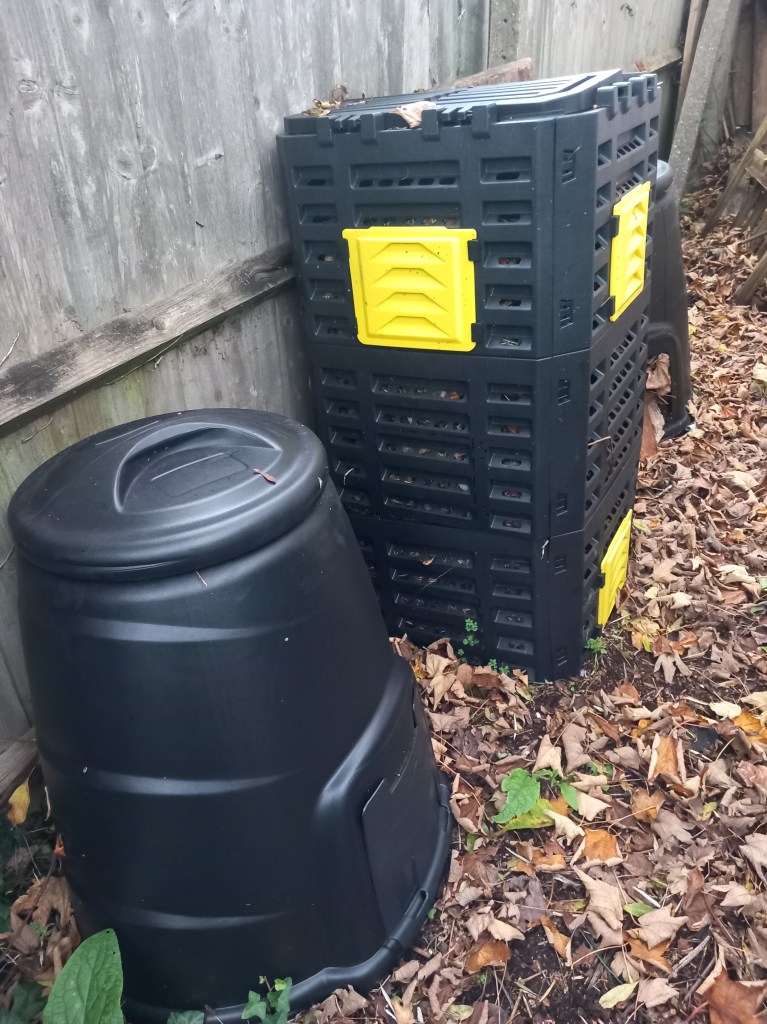
We’ve got another bin to sort, and we also now have several plastic bins. Two of the three are full – with garden volunteers taking care to cut waste into smaller pieces, to speed up the process, as well as layering green and brown waste.
BIn yet to be sorted!Plastic bins already full
I’m very far from being an expert, but love a project! I’m hoping we’ll be self-sufficient with compost from now on, and will be able to offer mulch to other nearby projects such as Pollinating Peartree and Victoria Road Gardeners. Watch this space!
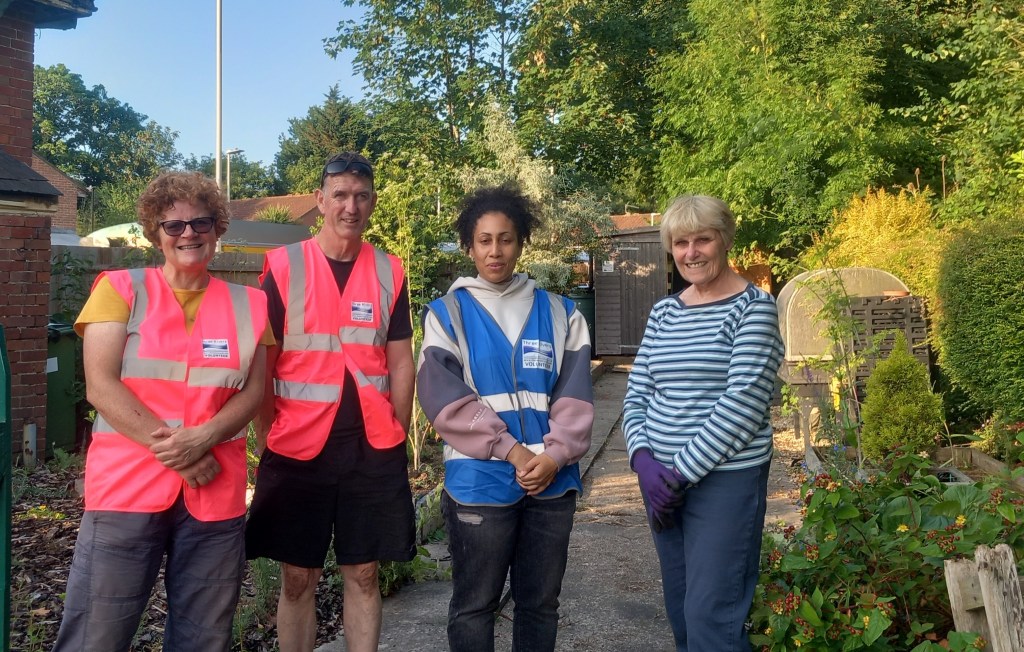
Volunteers Jill, Eamonn and Bridget with Charlene from Hampshire Community Rail.
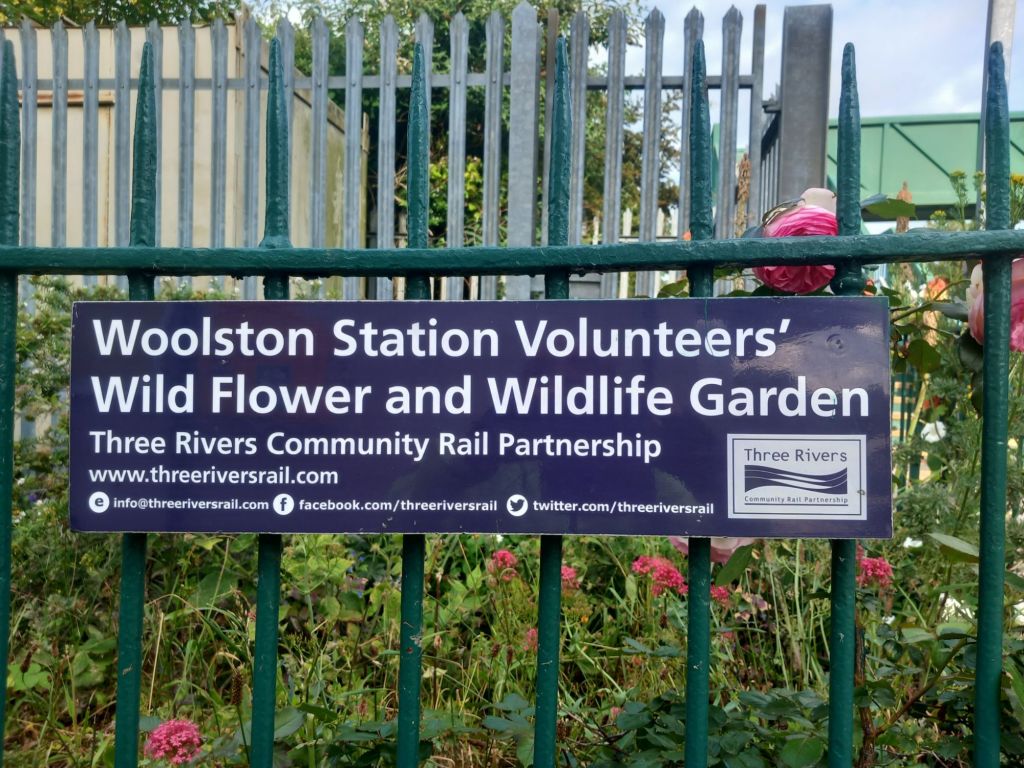
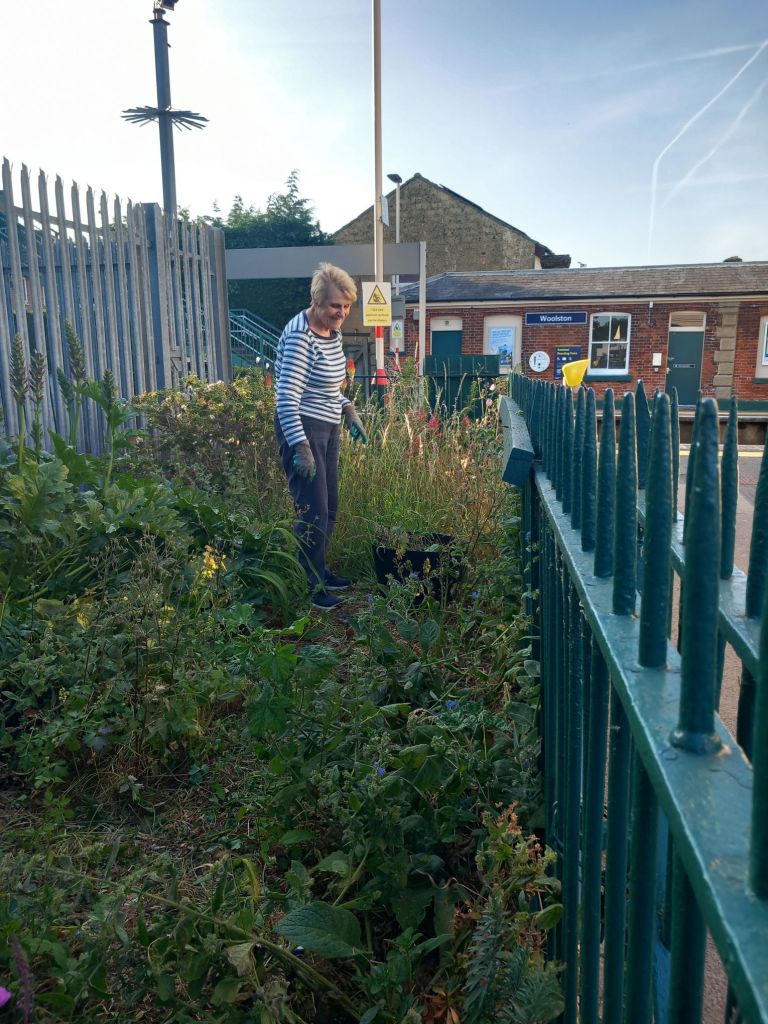
We launched Woolston Station Garden Club in May 2025 to revive the station gardens. Long-term volunteer Bridget was the only remaining gardener still available when Charlene Arrondeau, Hampshire Community Rail Officer, contacted me in my Wilder Southampton role with Hampshire and Isle of Wight Wildlife Trust. My work schedule was full, so I decided to take this on as a volunteer. It’s my local station, virtually opposite two of my Pollinating Peartree patches, and I’d already met Bridget through my role with Friends of Peartree Green.
What happened next? And how are the gardens helping wildlife and people? Read on to find out!
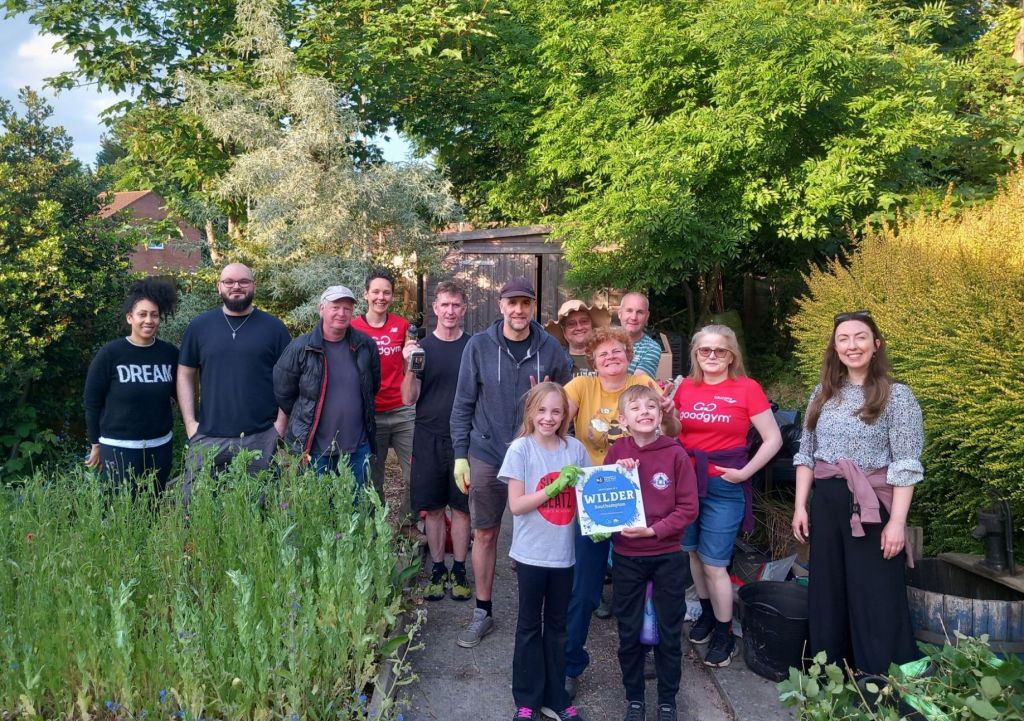
Volunteers at the end of the first session.
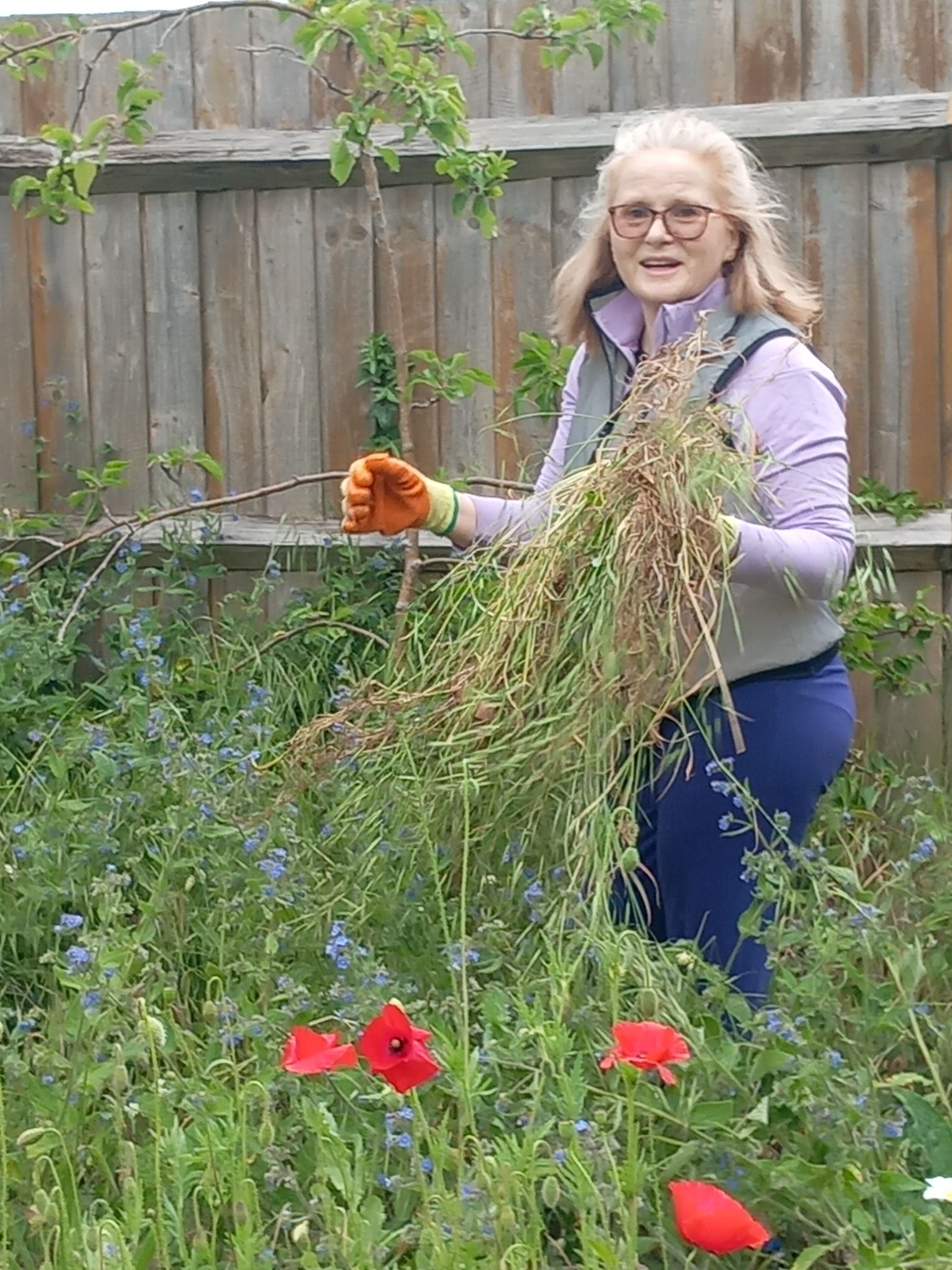
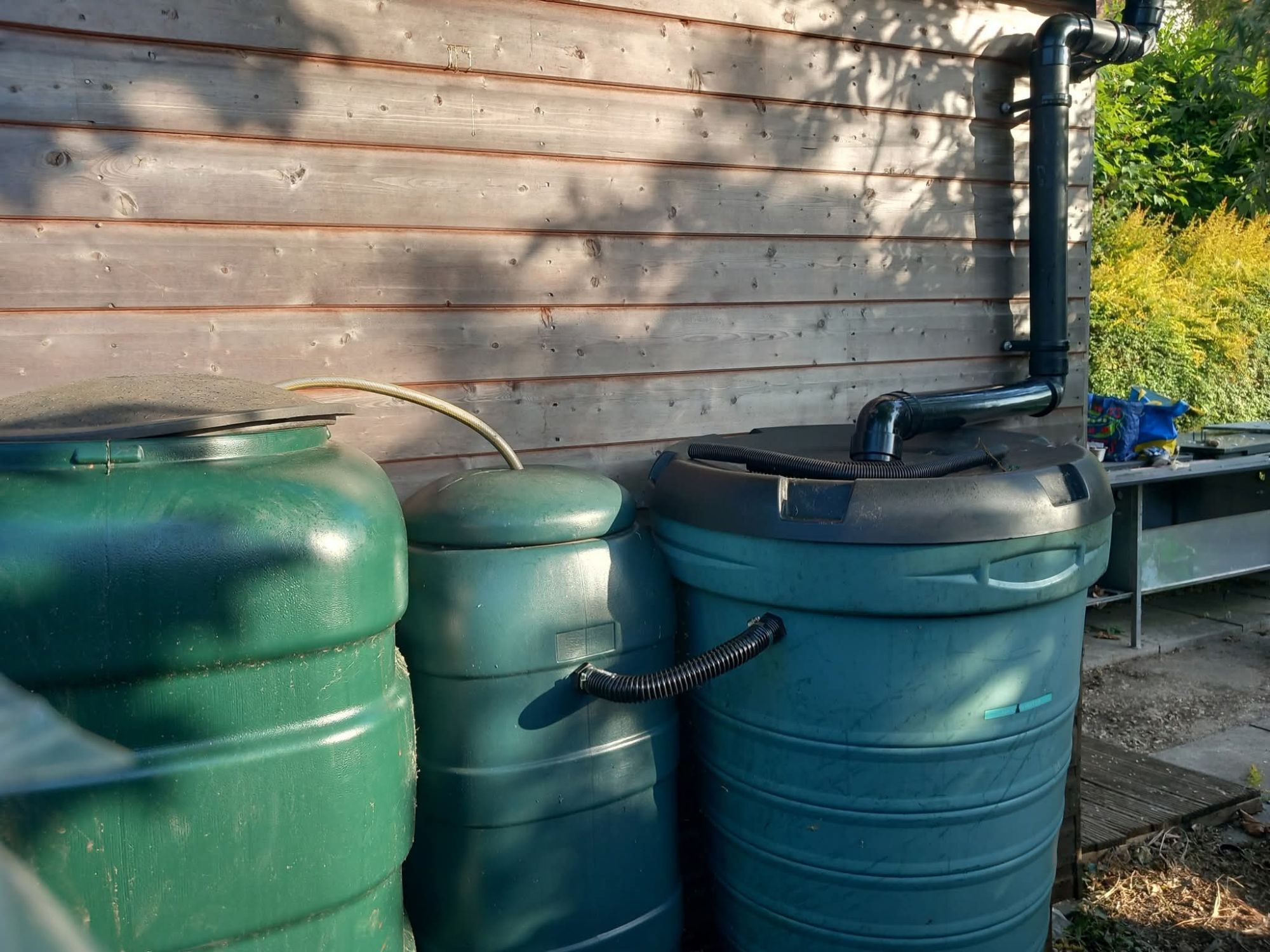
To kick-start the garden, we rallied a group of local people and enlisted the help of the Good Gym. Ziggy and Alan from Bitterne Station gardeners also came along. There was already a range of pollinator plants, some of them wildflowers, including cornflowers, ox-eye daisies, poppies and purple toadflax. We worked around them, pulling up tall grass stems by hand and carefully cutting back some of the bramble. Some of us started sorting out the compost areas, while Eamonn took charge of connecting the water butts. We achieved a lot in one hour – and had a lot of laughs in the process.
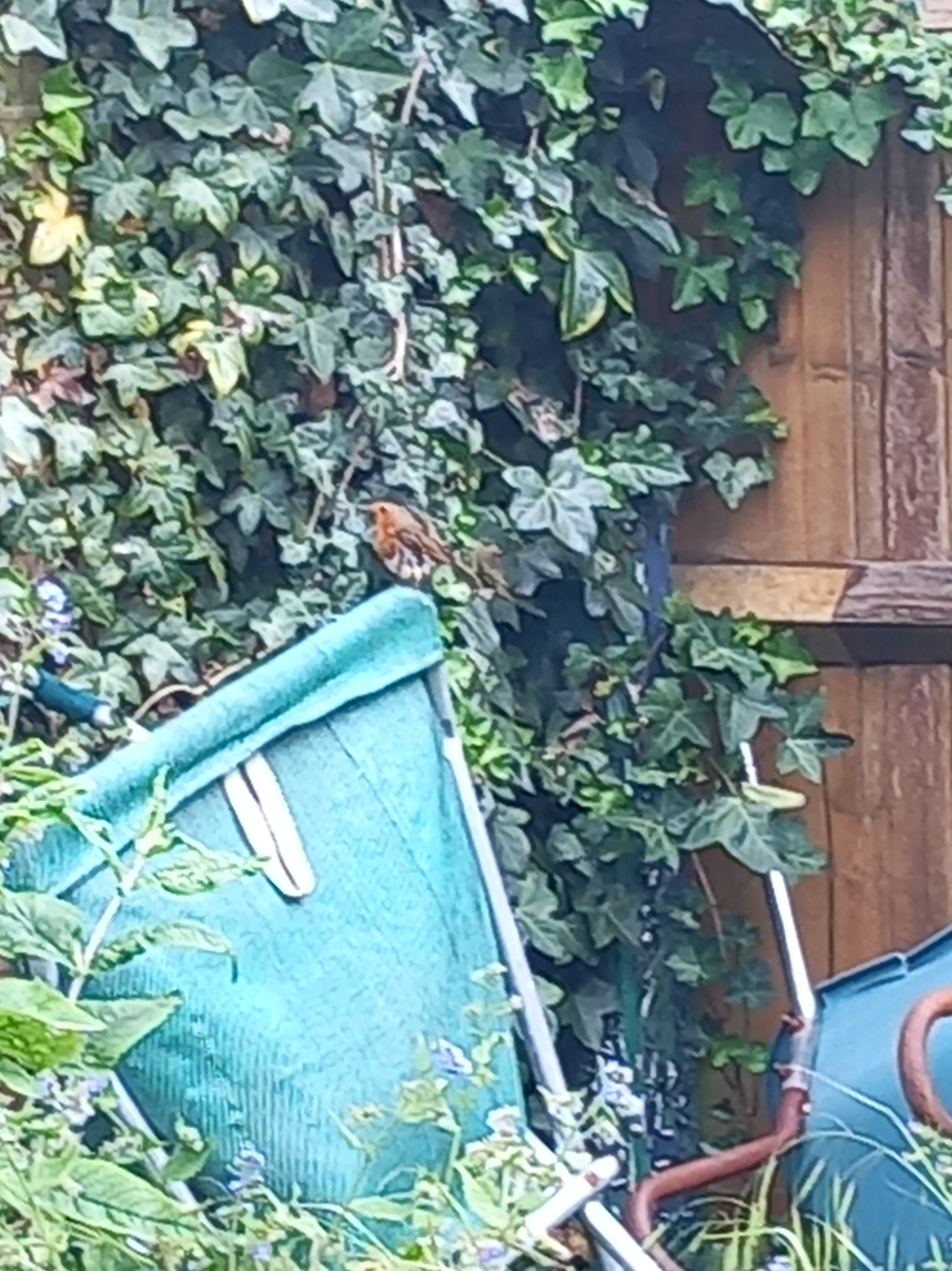
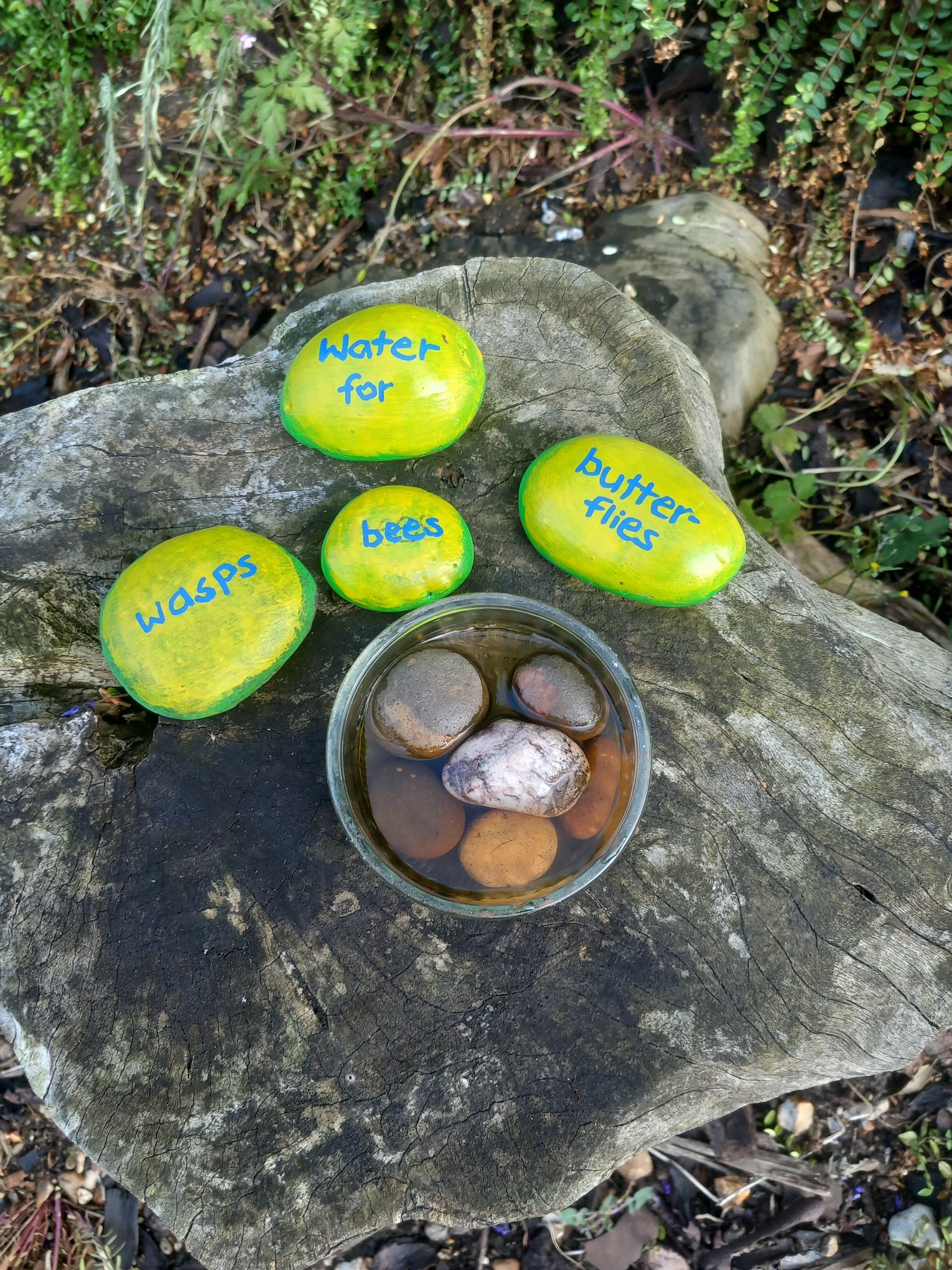
How are we helping wildlife with this garden? Well, by working around plants, we’ve been able to avoid too much disturbance to the creatures living there. This included a robin making a nest in ivy on the old signal box building, so we didn’t go into that area at all. Leaving plants in place meant bees could continue feeding. Gradually moving garden waste from the dilapidated pallet bin to the new one gave woodlice and other invertebrates time to move. We’ve also built a stick pile close by to provide a habitat for these little creatures, which in turn provides a place for birds to look for food. And we’ve added drinking/bathing areas for birds, mammals and insects.
There are two garden areas at the station. The first one was made by Bridget for her late husband Hugh, who worked in the ticket office. I remember him from when I used to catch the train to work, and I’d noticed the garden on the left as you walk to the platforms. Bridget has now been able to start maintaining this again.
Bridget reclaiming the path through the garden she created when her husband Hugh worked in the ticket office.
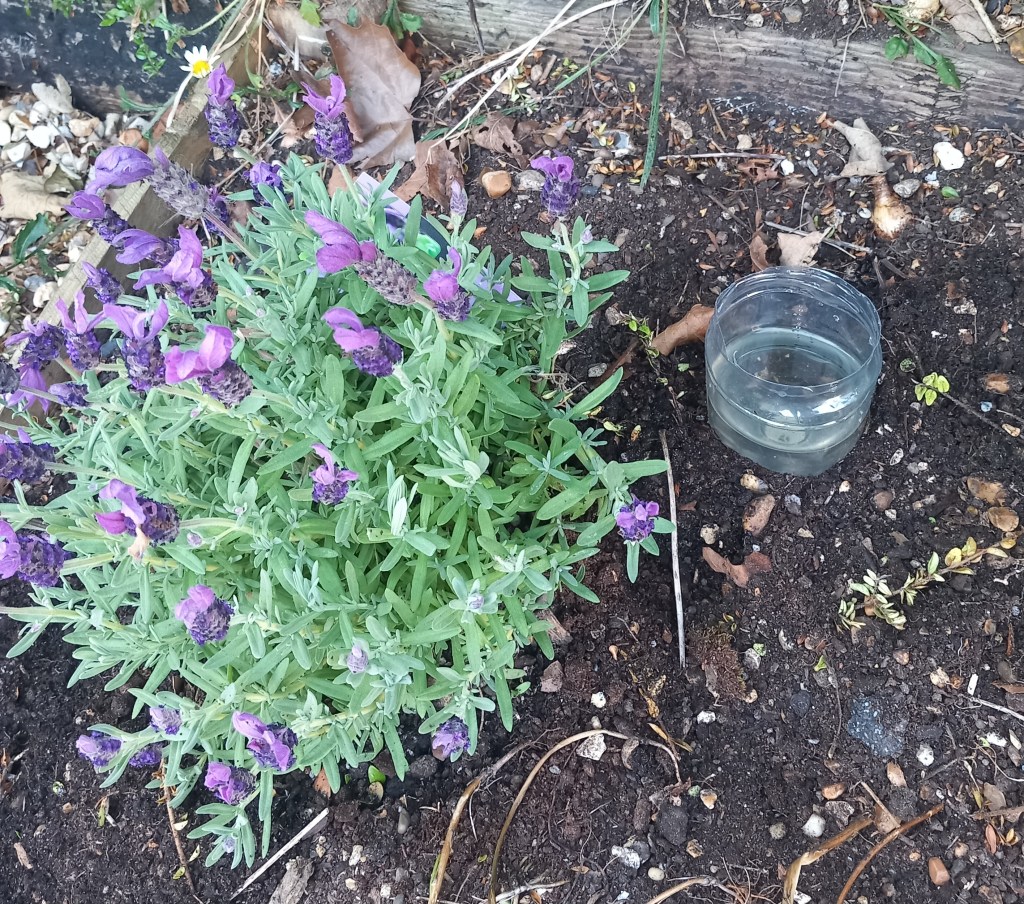
Due to the prolonged dry weather, we haven’t added many plants yet – just a few from our own gardens and some sunflowers donated by my neighbour. We bought a few herbs with funding provided by Hampshire Community Rail Partnership, and I’ve added seep tubes to the lavender and sunflower bed. These are 2-litre plastic bottles with the bottom cut off. Put them in upside down and fill with water, and you have a system that keeps the plants watered for longer, with the water going to the roots. This makes better use of it than surface watering, when it evaporates more quickly. Naturally, the bottles are ones I’ve found when litter picking!
Lavender with seep tube in place
There’s plenty more to be done at the garden, so if you’re local, why not join us? It’s a chance to meet new people, learn new skills and be part of a community – that’s why we’ve called it Woolston Station Garden Club. You don’t need any experience or tools. To find out when we meet, check our Facebook page, look out for posters, or contact me through this blog. Thanks for reading!
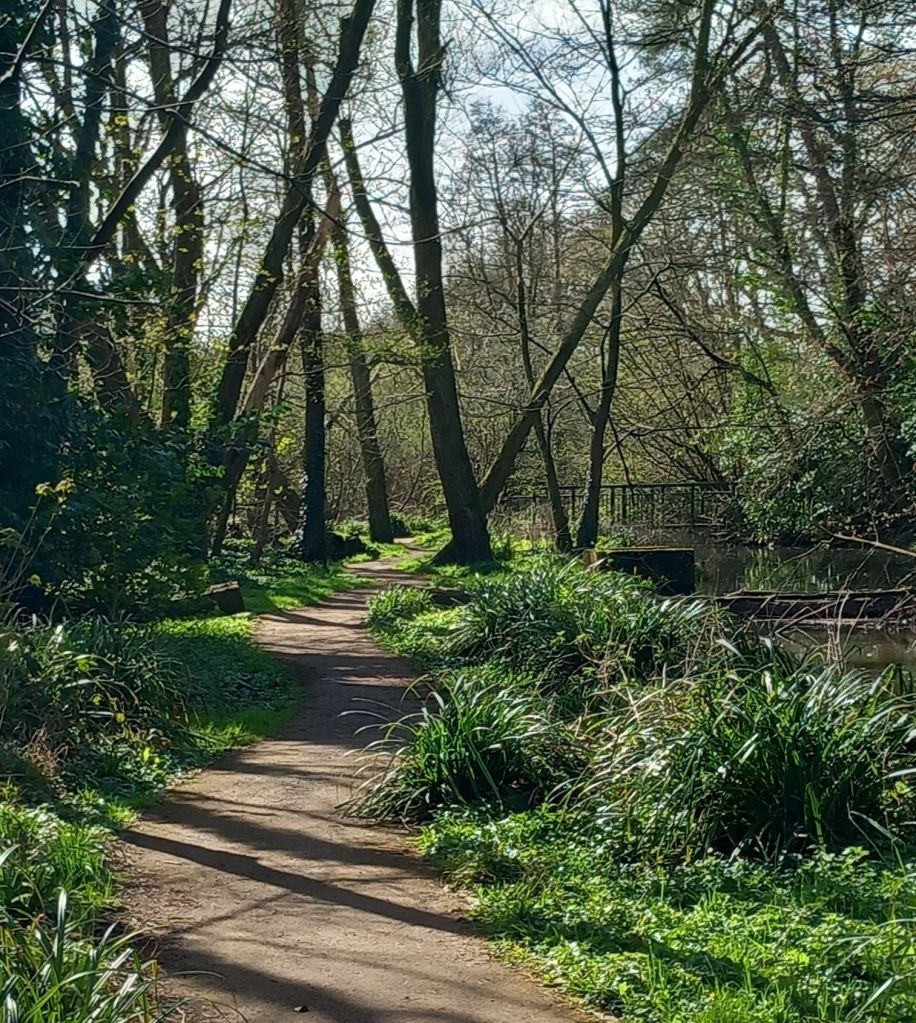
One of my stories is that I’m not comfortable near rivers, sometimes even afraid. There have been moments of panic, such as the time I went for a walk at Chessel Bay when the River Itchen was choppy, and I basically ran back along the path to get out. Living on the east, I regularly have to cross the river to go to other parts of the city. Of the five crossings I can use, Northam Bridge would be my last choice. The one time I cycled over it, I felt unsafe. The railings felt too low, the water too close.
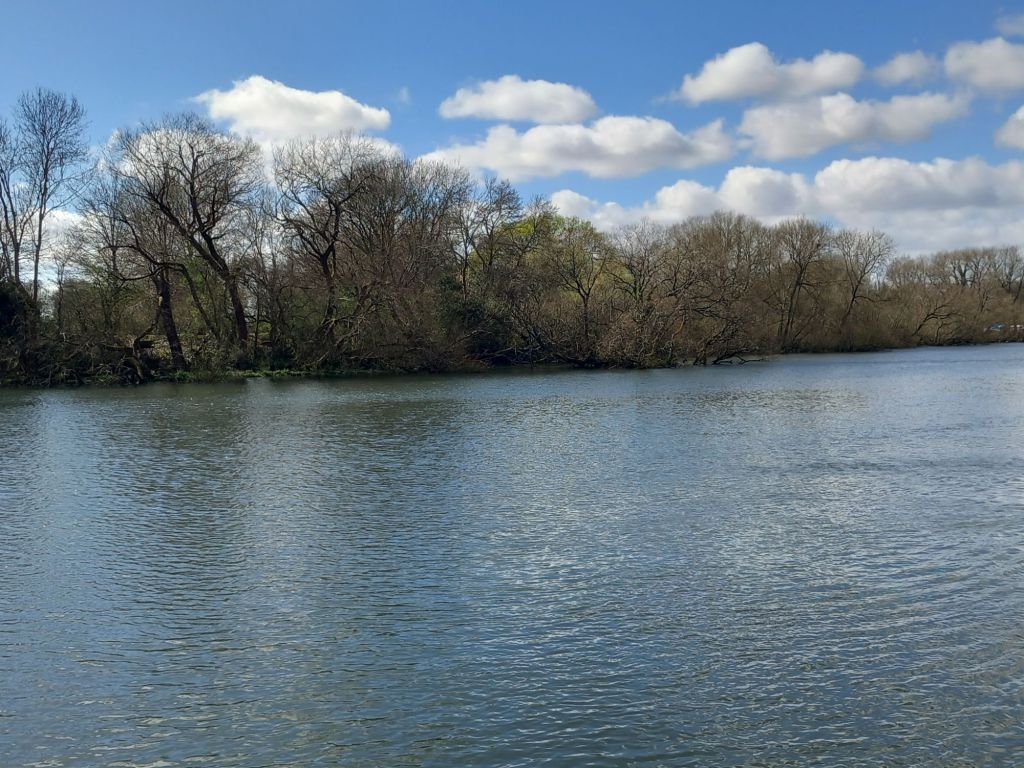
The Itchen from Woodmill cafe
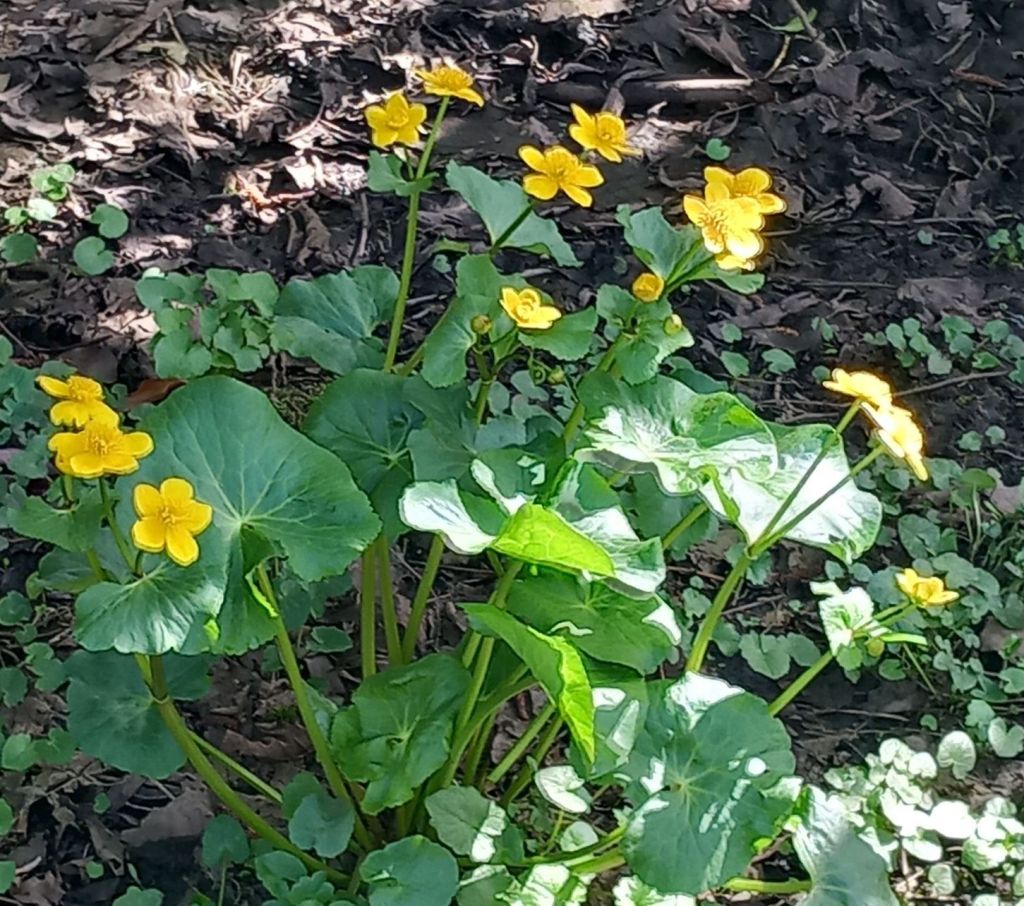
These were my thoughts as I sat by the river yesterday. It was the last day of a week off, and I’d left my bike at RideRide near Cobden Bridge for a service. I had at least two hours to fill, so I’d decided on a walk through Riverside Park and onto Monks Brook, where I wanted to check the Purple Toothwort I’d first seen on a guided walk almost a month earlier. The plant wasn’t at its best then, so I thought I’d go back. It looked good, but my photo of Marsh Marigold came out better!
Marsh Marigold beside Monks Brook
Monks Brook itself isn’t scary, but walking the path alone makes me nervous because it’s hemmed in on both sides. Earlier this week, I’d been talking about this to Rae, a researcher who’s looking at ideas of belonging in green places. To feel safe, I usually choose places where I have a clear view and options to change my route if I feel concerned. This was part of the issue at Chessel Bay, where it’s a no-through route.
So why did I choose to walk here today? Well, partly it was convenience, but it was also an opportunity to become more familiar with these areas and the species that live there. It was a chance to explore.
The walk through Riverside Park from the cycle workshop to Woodmill Coffee Kitchen would take about 20 minutes at my normal pace, but I wanted to slow down and go where curiosity took me. One place was to the water’s edge to look at this board, which I’d spotted from the main path.
Defaced interpretation board
I’d never been to this spot before. The board tells us that badgers use this riverbank, something I hadn’t realised. (I’m not sure what caused the black marks, but someone’s spray painted ‘I 💜 nature’ in purple over it).
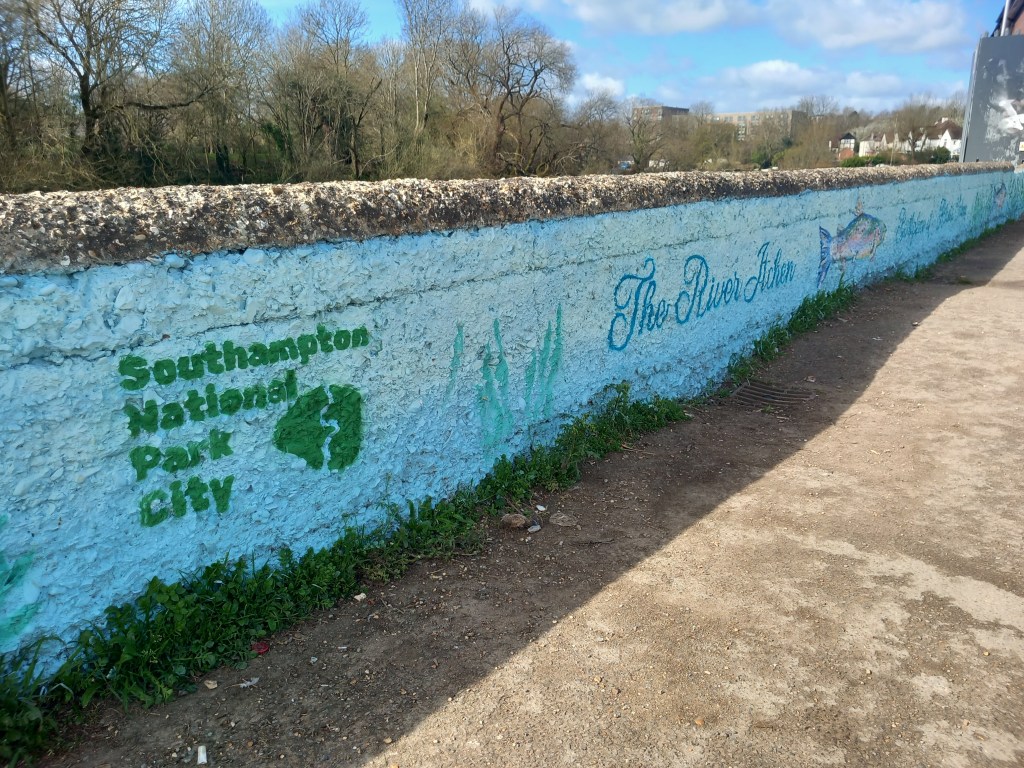
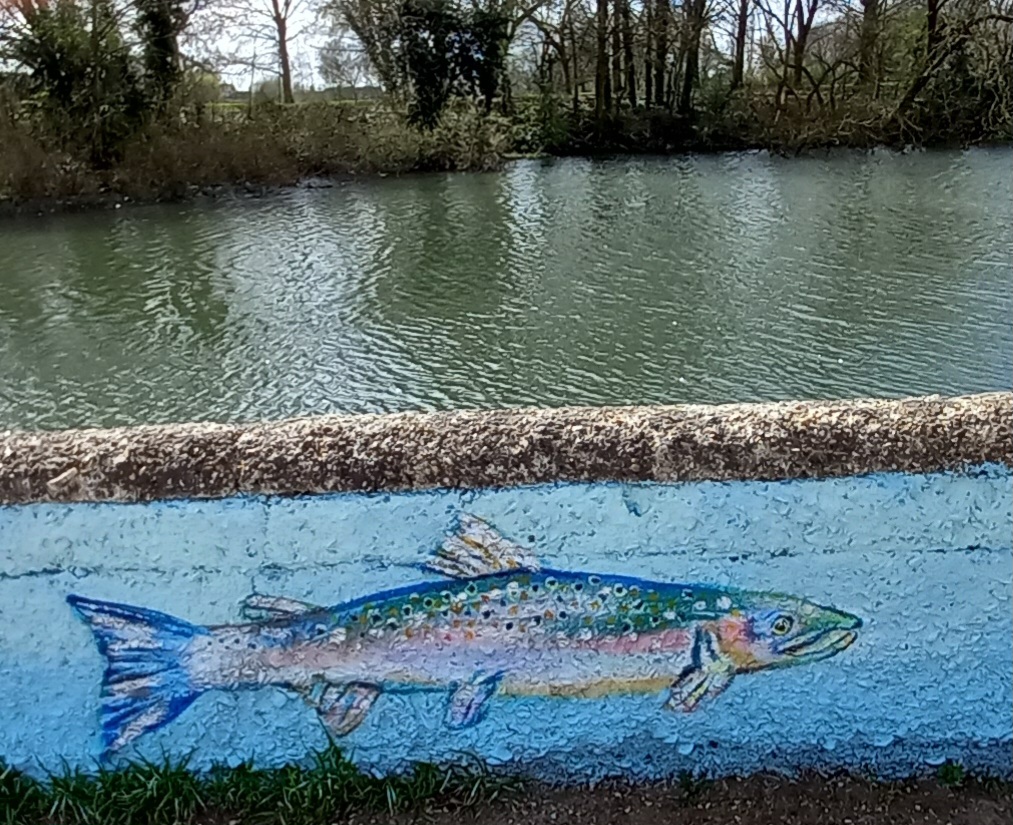
Another reason for visiting was to see the latest mural by Joanna Rose Tidey. This is at Woodmill, and was commissioned by Southampton National Park City to celebrate the importance of the River Itchen to the Atlantic Salmon.
Part of the mural at Woodmill
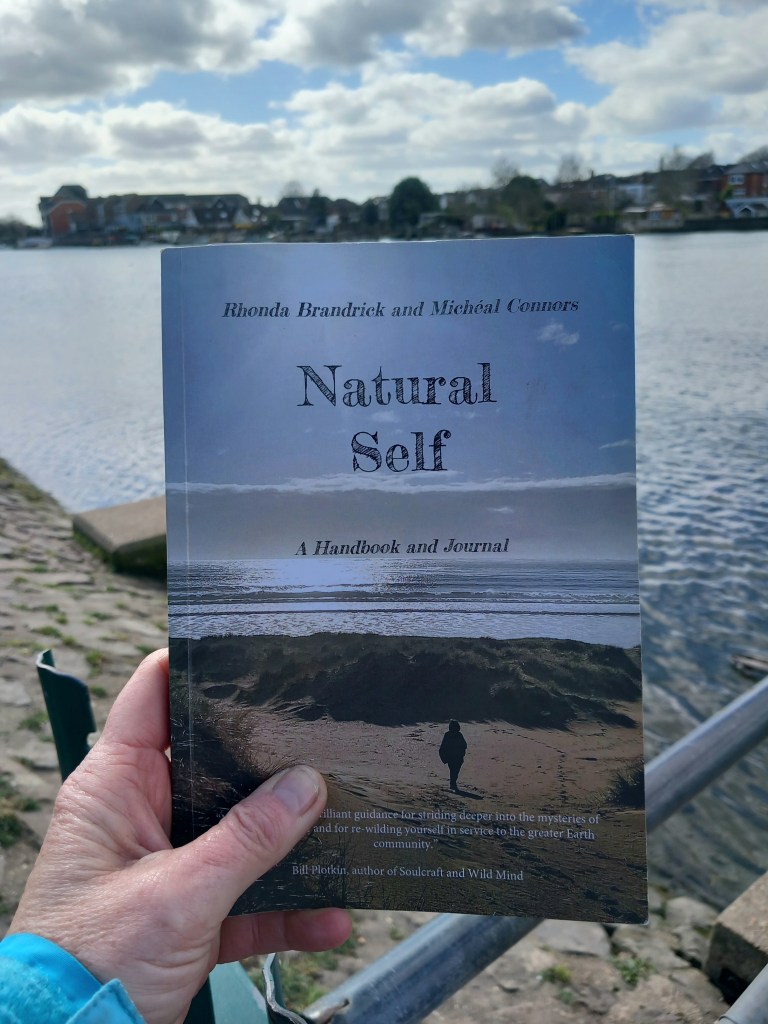
Mainly though, I wanted to just spend some time doing nothing in particular. Of course I got a bit hung up trying to identify trees, and yes, I sat at the cafe overlooking the river hoping to see a seal or an otter. But I also gave myself time to reflect, inspired by this book, a gift from my partner. It comes from Natural Academy and covers aspects of nature connection and well-being that I’m familiar with but don’t often allow myself time for. There’s much in the book to inspire me, but feeling comfortable by the river, letting my mind wander, felt like a really good start. I’m beginning to change my story.
Twenty-five starlings, two bluetits, a wood pigeon, a magpie, two or three greenfinches …. I can more or less predict how many birds of each species I’ll see when I take part in the Big Garden Birdwatch this weekend. What I’m less sure of is what they’ll be doing. And that, for me, is the really fun part.
2024 was the year I started keeping notes on more than just numbers. And, as is often the case, it all started with Starlings.
First, in spring, I noticed one on a nearby chimney pot, making particular wing movements and calling. It – he, I now realise, would then disappear into a crevice before coming out and repeating the routine. I looked this up and discovered he was advertising his nest site to females.
Male Starling advertising his nest
Whether he was successful, I don’t know. But not long afterwards, I sww another Starling in our silver birch, pulling at the papery bark. At first, I thought he was foraging for insects. But a few days later, I saw the same behaviour. I made the time to watch for a while, and was rewarded. He pulled off a strip of bark and flew away with it – but not towards the chimney nest, where the other Starling was again shouting about his nest site. Was Starling number 2 using the bark for nest material? It seems possible, as they are known to use flowers.
Starling taking silver birch bark
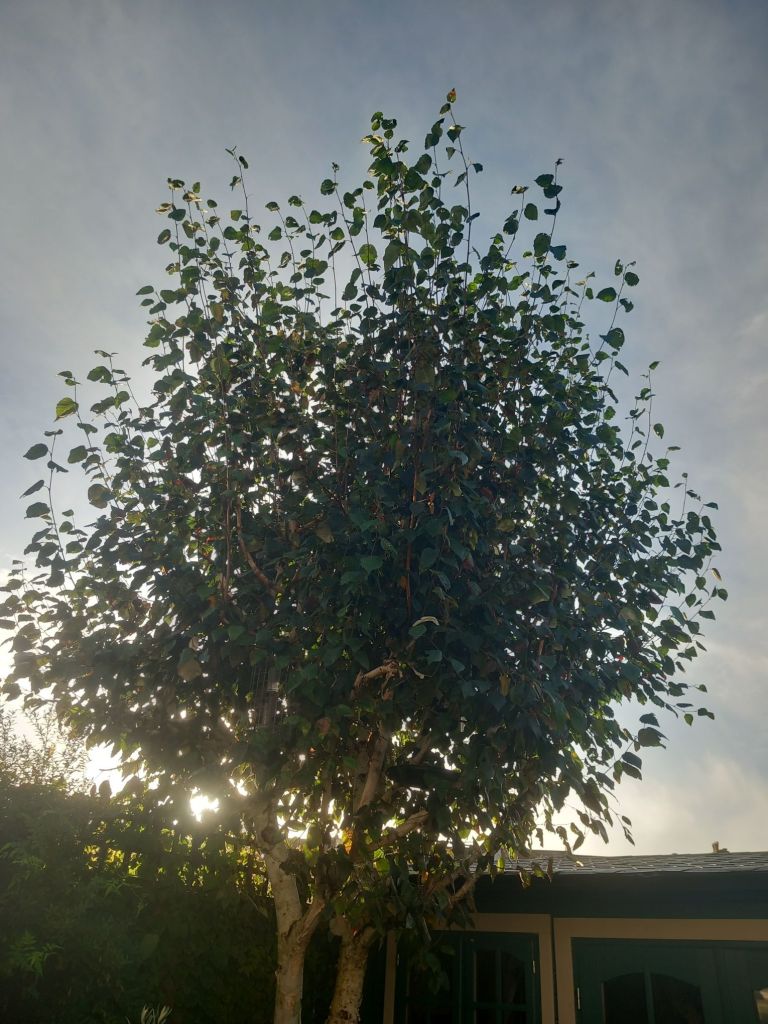
2024 was also the year I started using the Merlin app, which identifies birds from their calls. It’s really handy when you can’t see the bird, which is the case when our silver birch is in full leaf. One day in late September, there was a call I hadn’t heard before. Despite circling the tree, peering up at it from all angles, I could see nothing. Enter Merlin, who told me it was a Chiffchaff. I should note here that it wasn’t the song I could hear, which is easily recognisable, and which I know well from walks on Peartree Green nearby. Funny though, isn’t it, how ‘seeing is believing’? Most of us are so used to confirming things by sight that there’s a niggling doubt. Ridiculous really in the case of a Chiffchaff, which is a classic LBJ – little brown job, difficult to distinguish from other, similar species. So, for me at least, seeing wouldn’t help much!
Our silver birch in full leaf.
Two days later, I heard another mystery call. This time, Merlin said Dunnock. Now, I wondered whether Chiffchaff had been right. To me, a single note, even repeated, is hard to distinguish from another single note. Could Merlin get it wrong? Maybe, but let’s face it, the app is more likely to be right than I am. I have since seen Dunnocks in the garden, in winter, and I’ve learned to recognise the song. And, excitingly, I’ve seen a Chiffchaff – I think, first in December, then again, earlier this month, January, and I watched the bird take a sunflower seed before flitting back into the climber on my fence. This is where the birding community is so helpful. I couldn’t get a photo, but posted my observations on a Facebook group, Southampton Wildlife, and the experts came back with yes, likely to be a Chiffchaff. Fortunately, one of those experts lives just a few houses away from me and confirmed they’d got Chiffchaffs visiting their garden, though they hadn’t seen them take seeds from a feeder.
Noticing how birds feed has helped me to identify them when I can’t see them clearly. This is part of what birders mean when they talk about the ‘jizz’ – the behaviour of the bird, as well as its call, where it is, and its appearance. Over the years, I’ve seen that Goldfinches seem more likely to use the perches on the seed feeder, whereas Greenfinches often favour standing on the tray, rummaging through what’s there. Both finches get quite territorial about the food, chasing each other off. The Blue Tits keep out of it, nipping in while the finches are preoccupied! They grab a seed and take it to a branch to eat it.
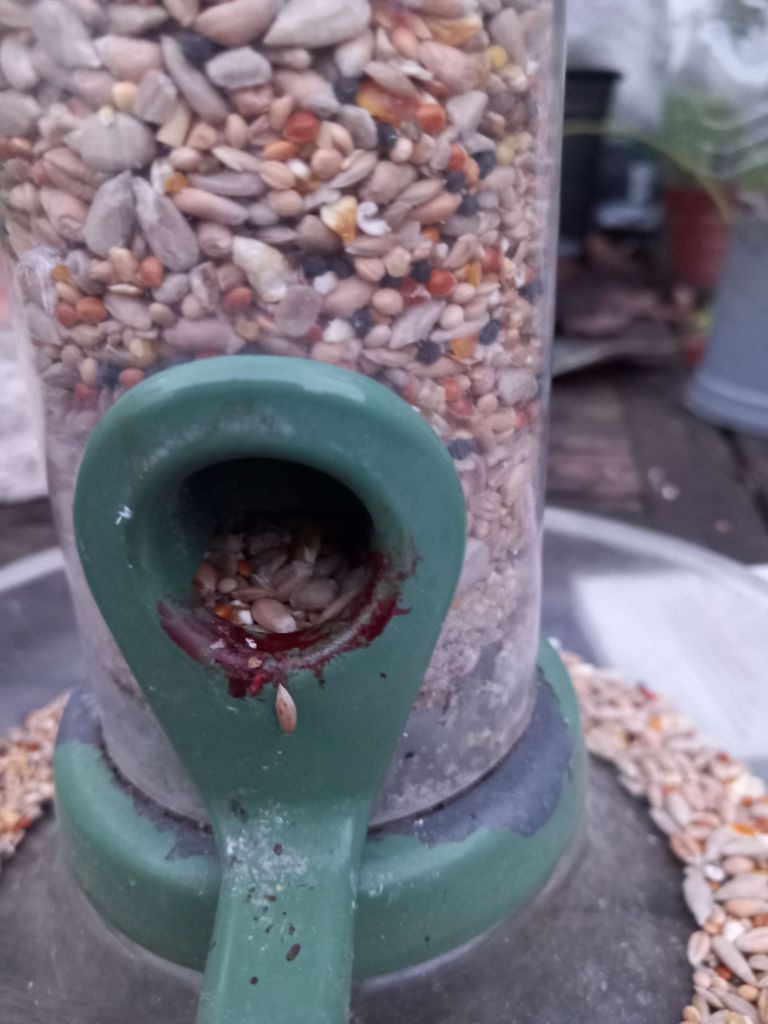
Some mysteries remain though, which keeps it interesting. I’ve twice found blood on a feeder, but am not sure what happened. Both times, there was no blood anywhere else, and no signs of predation around the feeder. These feeders are mainly used by pigeons. Let me know in the comments if you’ve seen this too.



 Dandelion Nature