If you want a wildlife-friendly, sustainable garden, making your own compost from green waste is an obvious thing to do. It’s something I’ve never done before because I’ve never had the space. But now, with both an allotment and Woolston Station Gardens, I’ve got the chance to compost – and I’m really enjoying learning and doing!
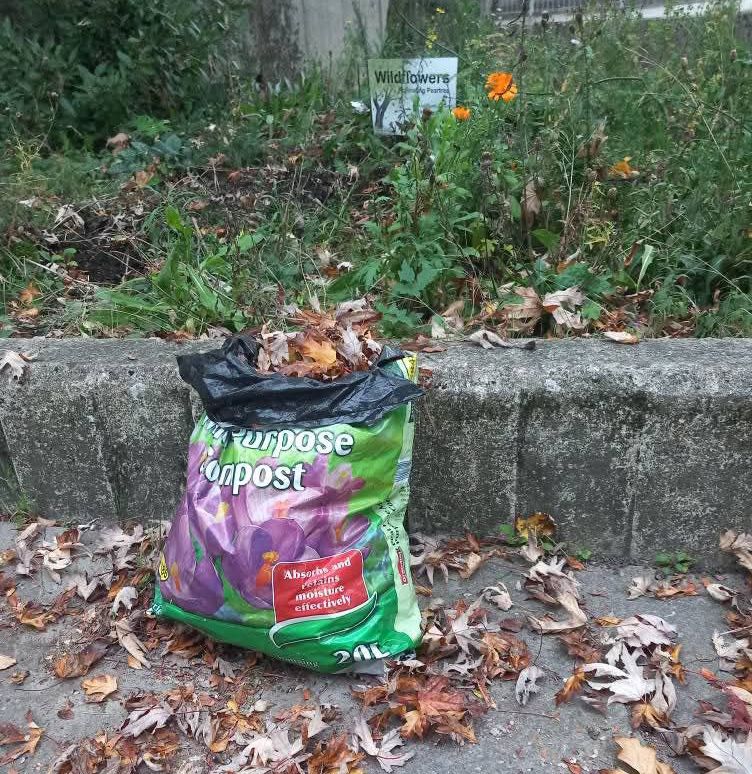
I’ve been making leafmould in bags for a few years. It’s really easy, even when you don’t have much space. I’m also encouraging more people to have a go, especially volunteers at gardening projects I’m involved with as Wilder Southampton officer with the Hampshire and Isle of Wight Wildlife Trust. I found some clear instructions here, from the Shropshire Wildlife Trust.
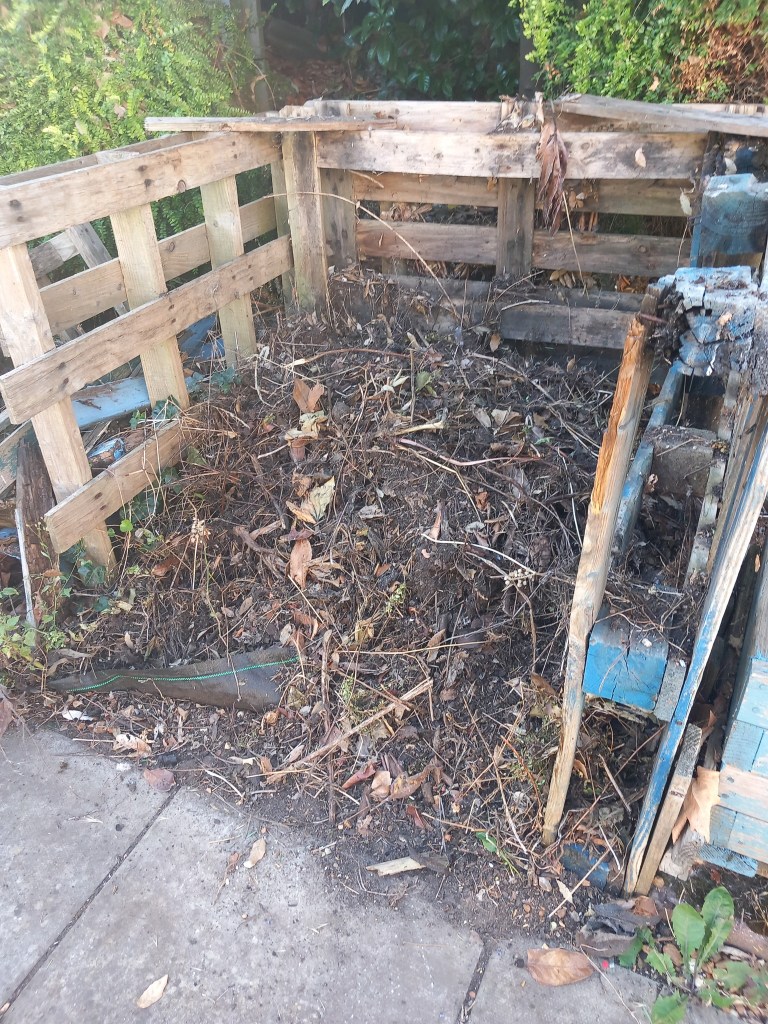
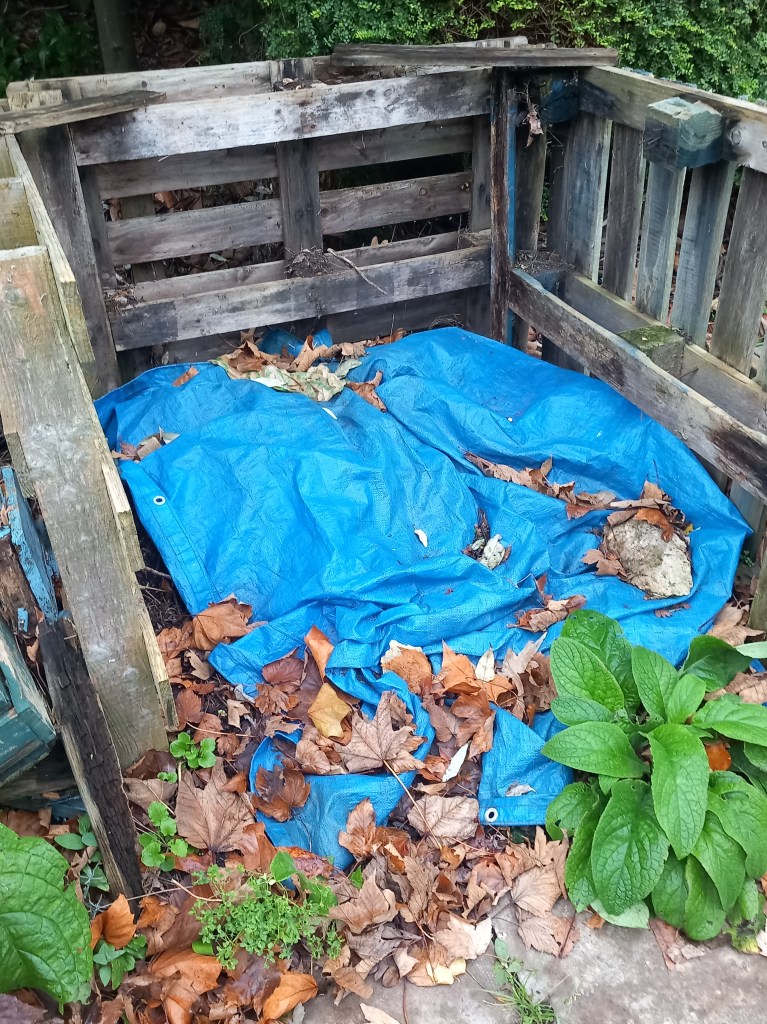
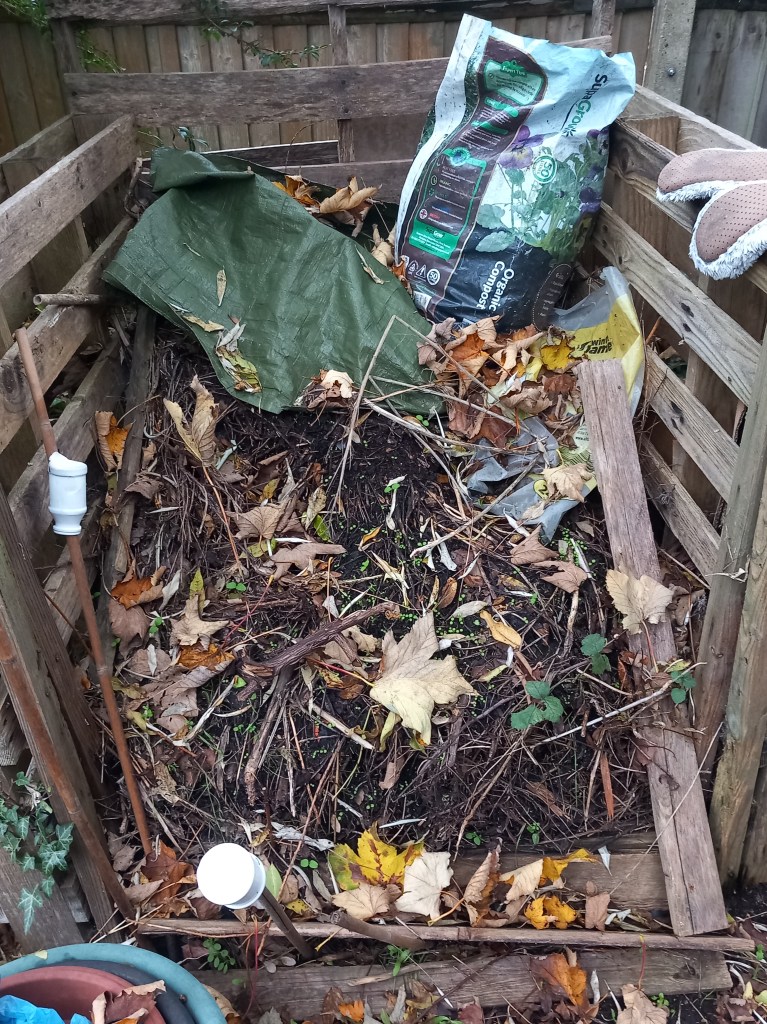
When we started volunteering at the station garden, there were two pallet bins. Both had a lot of large woody plant stems in that weren’t going to break down any time soon. We removed them and added them to the habitat piles, then I covered what was left in one of the bins, to speed up the process of breaking the material down.
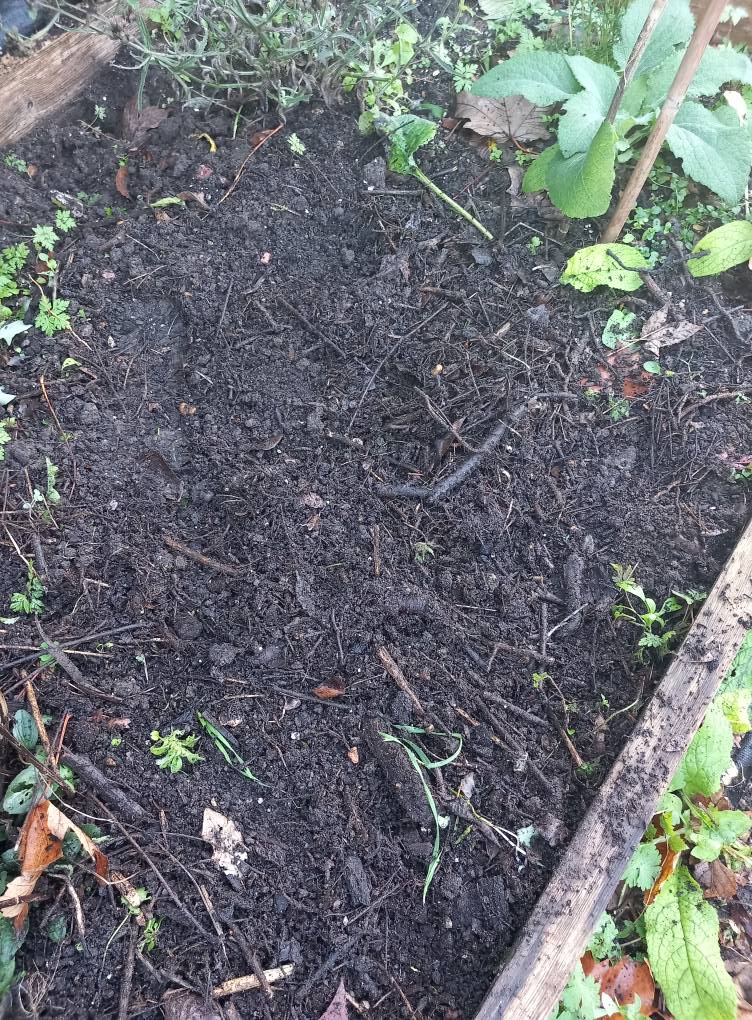
I’ve also been learning the basics of composting from a free beta test of a course by Garden Organic, which I was offered by Hampshire Community Rail Partnership because I’m a garden volunteer. Using your own compost means it’s full of woodlice, centipedes and other small creatures that are breaking it down, so this is a great way to improve the structure and biodiversity of your soil. We needed this , as the soil was pretty lifeless when we started at the garden in late spring. Gardeners often mulch with compost in autumn, but the Garden Organic tutor suggested that spring can be better, as earthworms are more active and therefore will incorporate the organic matter in to your soil. I’d initially thought our compost wasn’t ready yet, but realised it was ok to use it for mulching, so I added some to the hedge bed that was looking a waterlogged. Improving the structure should help it retain water that can help plants during dry periods.
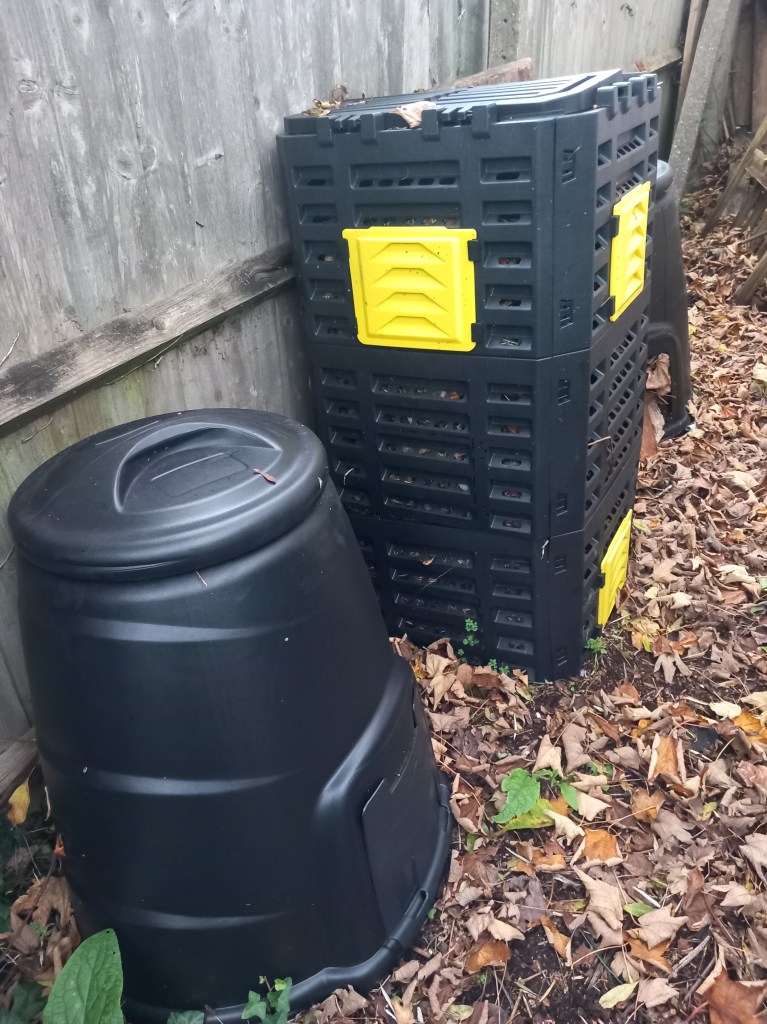
We’ve got another bin to sort, and we also now have several plastic bins. Two of the three are full – with garden volunteers taking care to cut waste into smaller pieces, to speed up the process, as well as layering green and brown waste.
I’m very far from being an expert, but love a project! I’m hoping we’ll be self-sufficient with compost from now on, and will be able to offer mulch to other nearby projects such as Pollinating Peartree and Victoria Road Gardeners. Watch this space!
 Dandelion Nature