Twenty-five starlings, two bluetits, a wood pigeon, a magpie, two or three greenfinches …. I can more or less predict how many birds of each species I’ll see when I take part in the Big Garden Birdwatch this weekend. What I’m less sure of is what they’ll be doing. And that, for me, is the really fun part.
2024 was the year I started keeping notes on more than just numbers. And, as is often the case, it all started with Starlings.
First, in spring, I noticed one on a nearby chimney pot, making particular wing movements and calling. It – he, I now realise, would then disappear into a crevice before coming out and repeating the routine. I looked this up and discovered he was advertising his nest site to females.
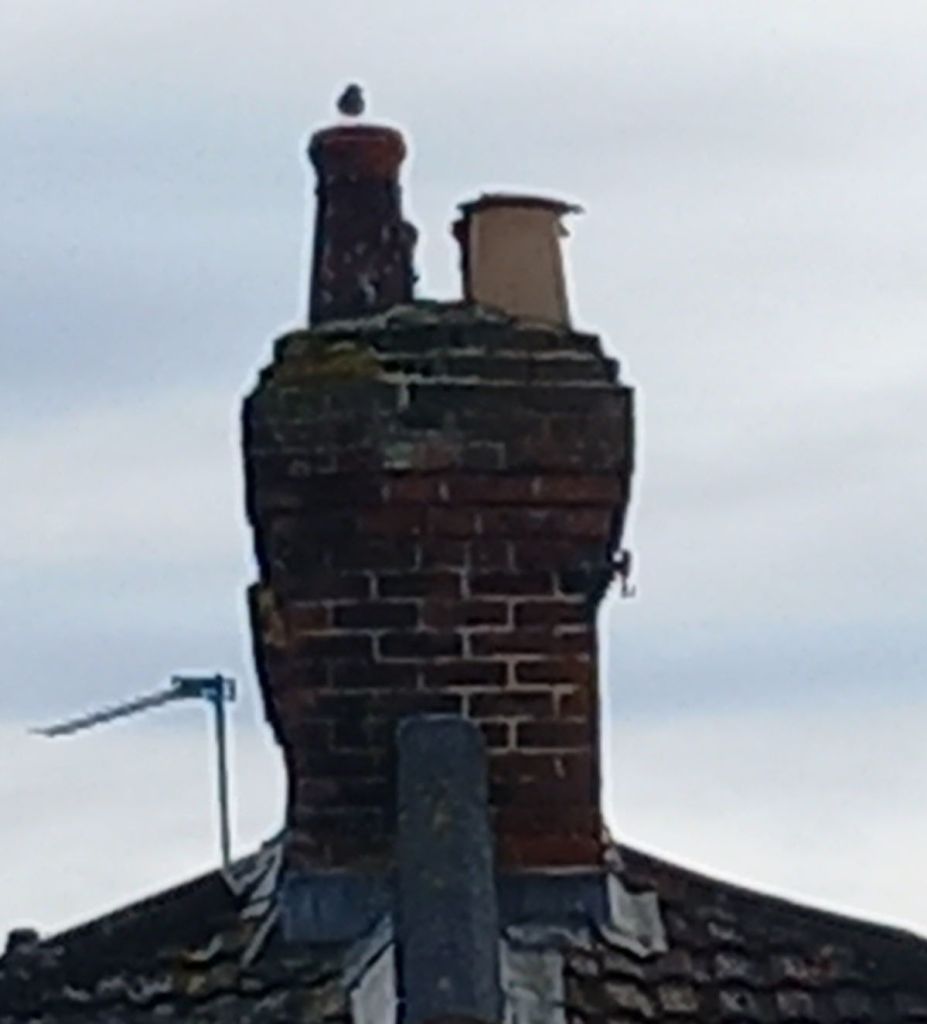
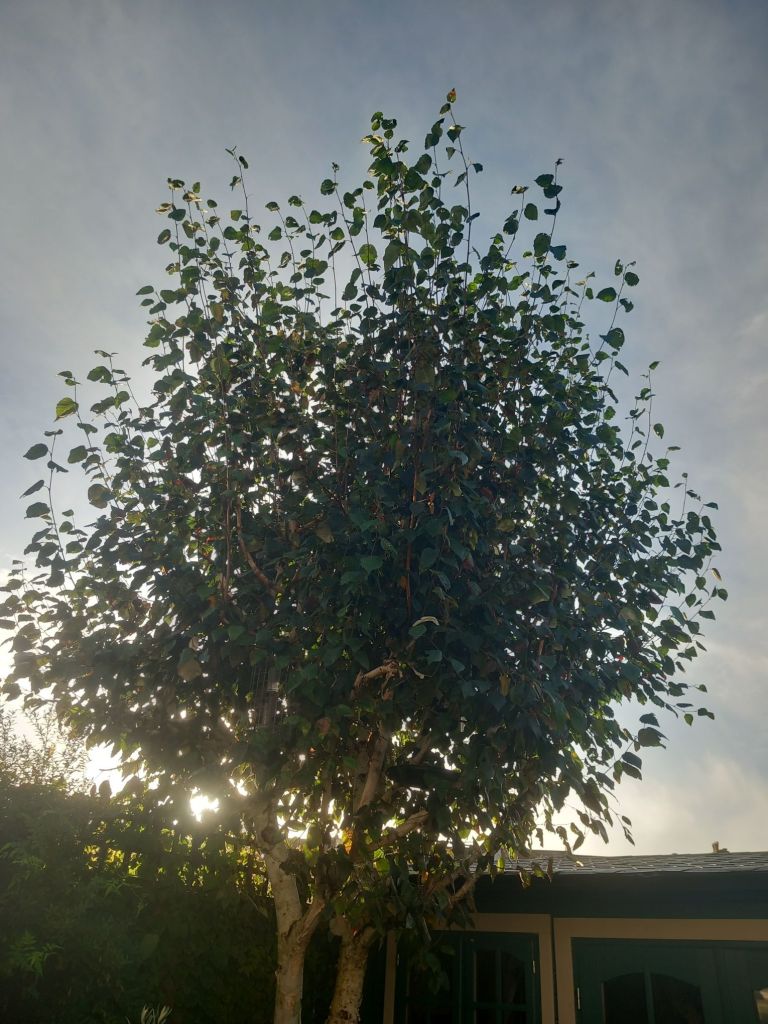
Whether he was successful, I don’t know. But not long afterwards, I sww another Starling in our silver birch, pulling at the papery bark. At first, I thought he was foraging for insects. But a few days later, I saw the same behaviour. I made the time to watch for a while, and was rewarded. He pulled off a strip of bark and flew away with it – but not towards the chimney nest, where the other Starling was again shouting about his nest site. Was Starling number 2 using the bark for nest material? It seems possible, as they are known to use flowers.
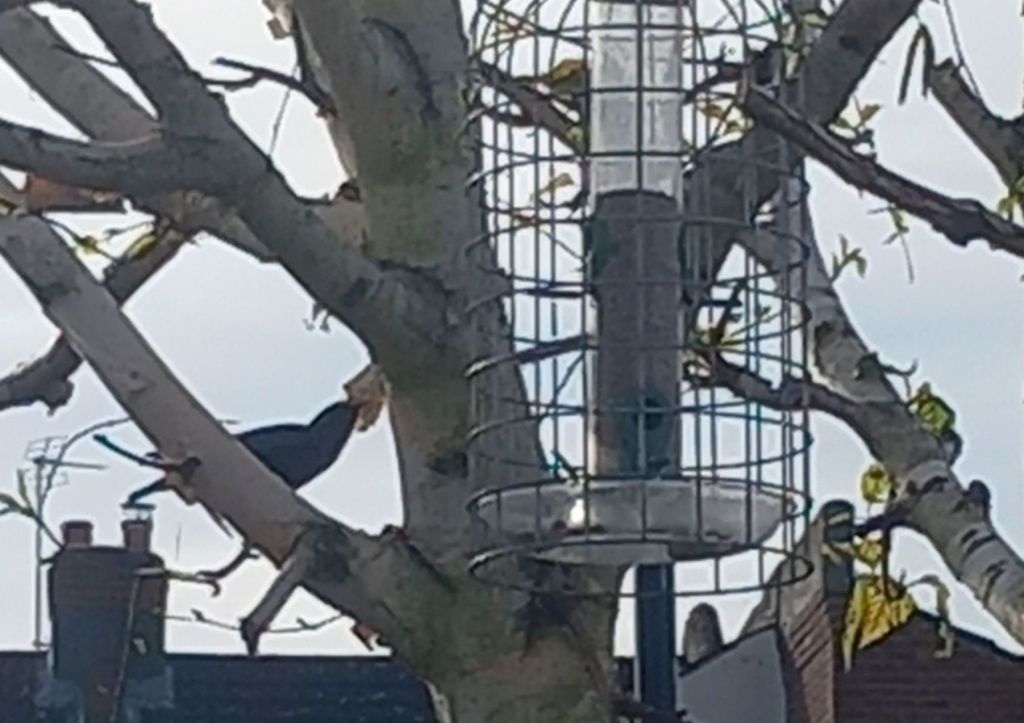
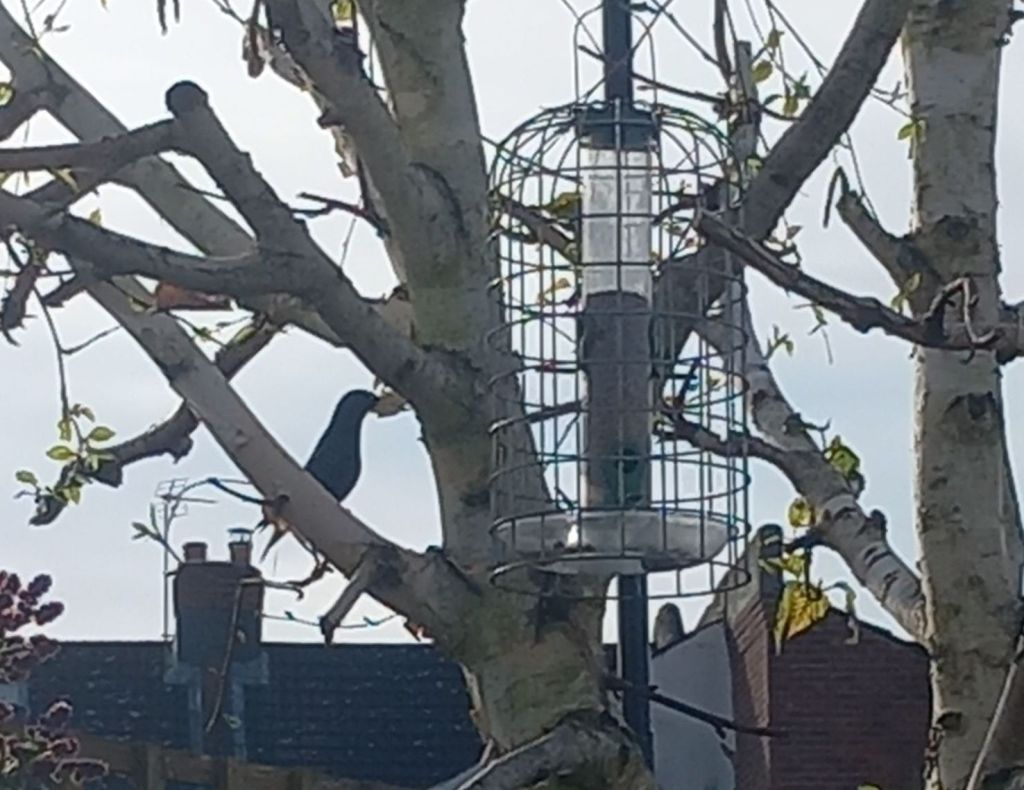
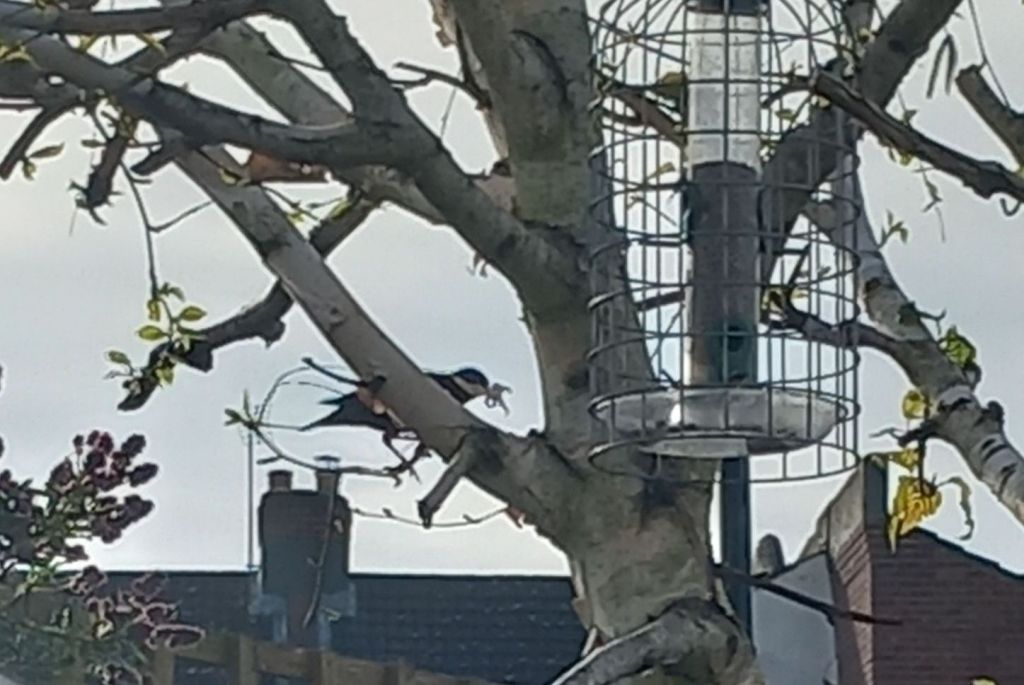
2024 was also the year I started using the Merlin app, which identifies birds from their calls. It’s really handy when you can’t see the bird, which is the case when our silver birch is in full leaf. One day in late September, there was a call I hadn’t heard before. Despite circling the tree, peering up at it from all angles, I could see nothing. Enter Merlin, who told me it was a Chiffchaff. I should note here that it wasn’t the song I could hear, which is easily recognisable, and which I know well from walks on Peartree Green nearby. Funny though, isn’t it, how ‘seeing is believing’? Most of us are so used to confirming things by sight that there’s a niggling doubt. Ridiculous really in the case of a Chiffchaff, which is a classic LBJ – little brown job, difficult to distinguish from other, similar species. So, for me at least, seeing wouldn’t help much!
Two days later, I heard another mystery call. This time, Merlin said Dunnock. Now, I wondered whether Chiffchaff had been right. To me, a single note, even repeated, is hard to distinguish from another single note. Could Merlin get it wrong? Maybe, but let’s face it, the app is more likely to be right than I am. I have since seen Dunnocks in the garden, in winter, and I’ve learned to recognise the song. And, excitingly, I’ve seen a Chiffchaff – I think, first in December, then again, earlier this month, January, and I watched the bird take a sunflower seed before flitting back into the climber on my fence. This is where the birding community is so helpful. I couldn’t get a photo, but posted my observations on a Facebook group, Southampton Wildlife, and the experts came back with yes, likely to be a Chiffchaff. Fortunately, one of those experts lives just a few houses away from me and confirmed they’d got Chiffchaffs visiting their garden, though they hadn’t seen them take seeds from a feeder.
Noticing how birds feed has helped me to identify them when I can’t see them clearly. This is part of what birders mean when they talk about the ‘jizz’ – the behaviour of the bird, as well as its call, where it is, and its appearance. Over the years, I’ve seen that Goldfinches seem more likely to use the perches on the seed feeder, whereas Greenfinches often favour standing on the tray, rummaging through what’s there. Both finches get quite territorial about the food, chasing each other off. The Blue Tits keep out of it, nipping in while the finches are preoccupied! They grab a seed and take it to a branch to eat it.
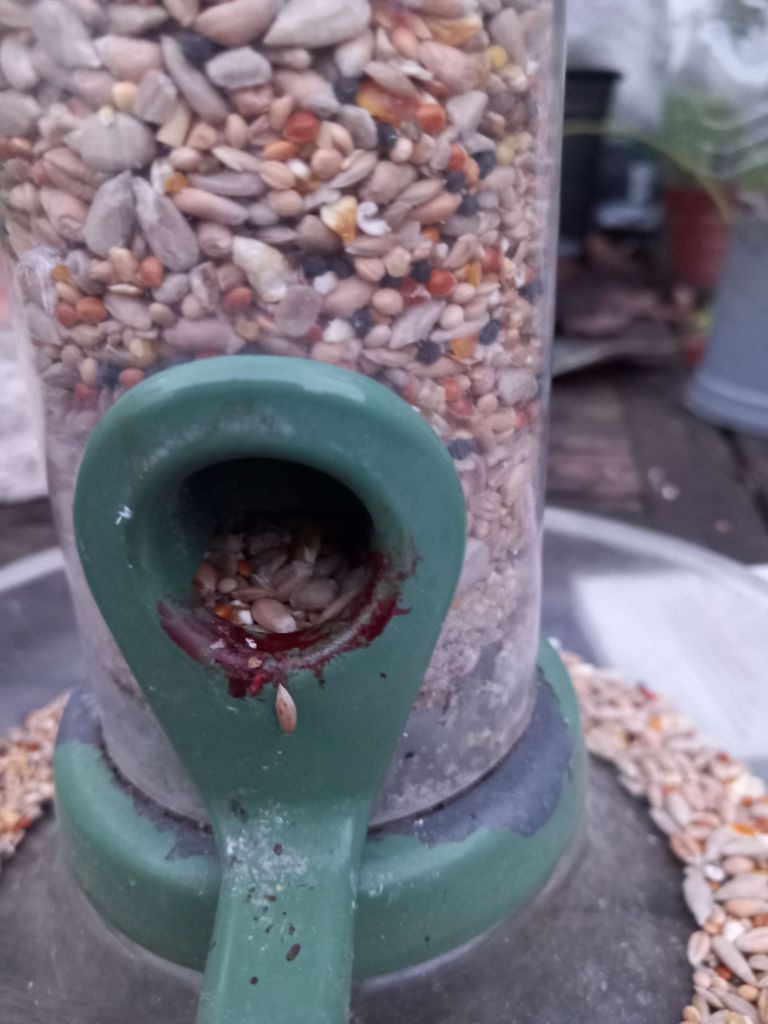
Some mysteries remain though, which keeps it interesting. I’ve twice found blood on a feeder, but am not sure what happened. Both times, there was no blood anywhere else, and no signs of predation around the feeder. These feeders are mainly used by pigeons. Let me know in the comments if you’ve seen this too.
 Dandelion Nature