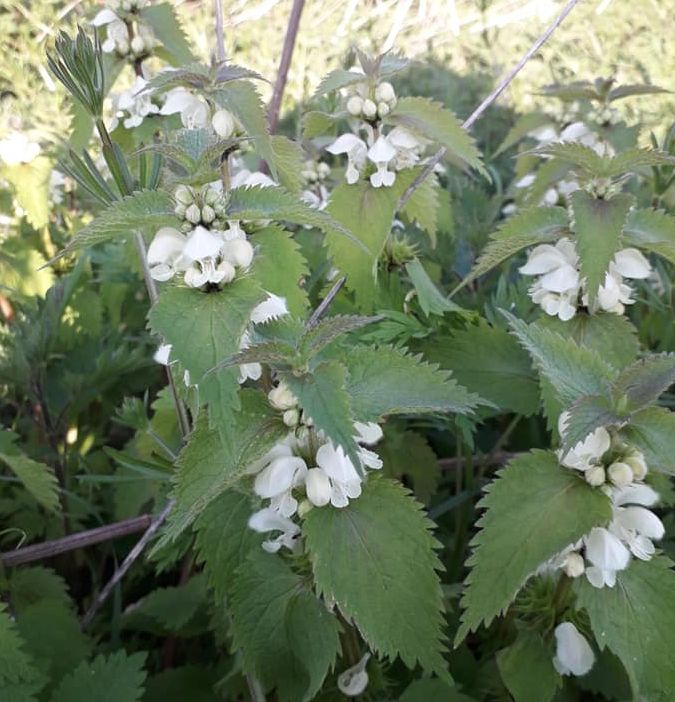
Have you ever picked a flower from a White Deadnettle and sucked the nectar from it? As a child, I did – and I tried it again recently! That’s when I realised not everyone knows you can do this. It’s a countryside thing, as Richard Mabey noted in Flora Britannica. Or at least it was – I don’t know if today’s children do it, but it got me thinking about my own connection to nature, and where it came from.
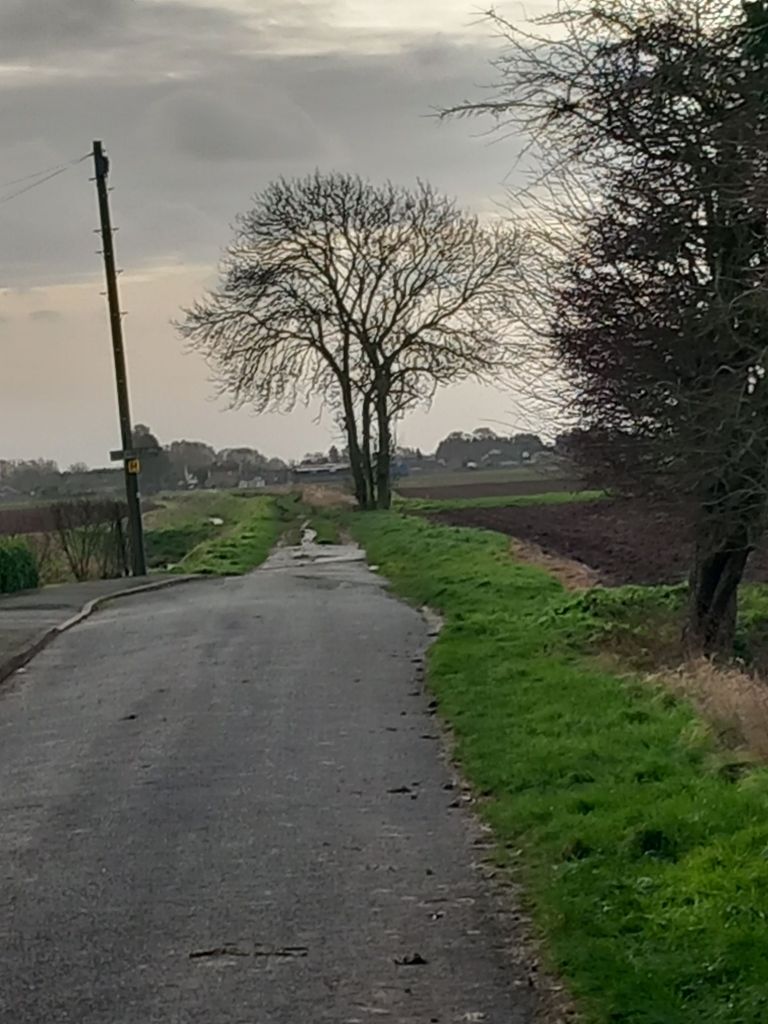
I grew up in the countryside around the town of Wisbech (pronounced wizbeach), the Capital of the Fens, according to road signs welcoming you there. It’s in East Anglia, where Cambridgeshire meets Norfolk. The picture above shows the first place I lived, in the village of Leverington. You can see it’s quite rural, even now (the photo was taken in 2024, 60 years after I was born). On the left, behind the telegraph pole, there’s a ditch, or dyke, as they’re called in the Fens. This is where, when I was about 2 or 3, I cut my finger on a reed so badly that I still have the scar.
My mother grew up in a city, Liverpool. During their summer layoff from Littlewoods Football Pools, she and her friend cycled from Liverpool to a village outside Wisbech called Friday Bridge. There, they spent the summer at an agricultural camp, and this was where she met my father, a local. I think my mum loved the clean air and peace of country life, and was happy to escape the city.
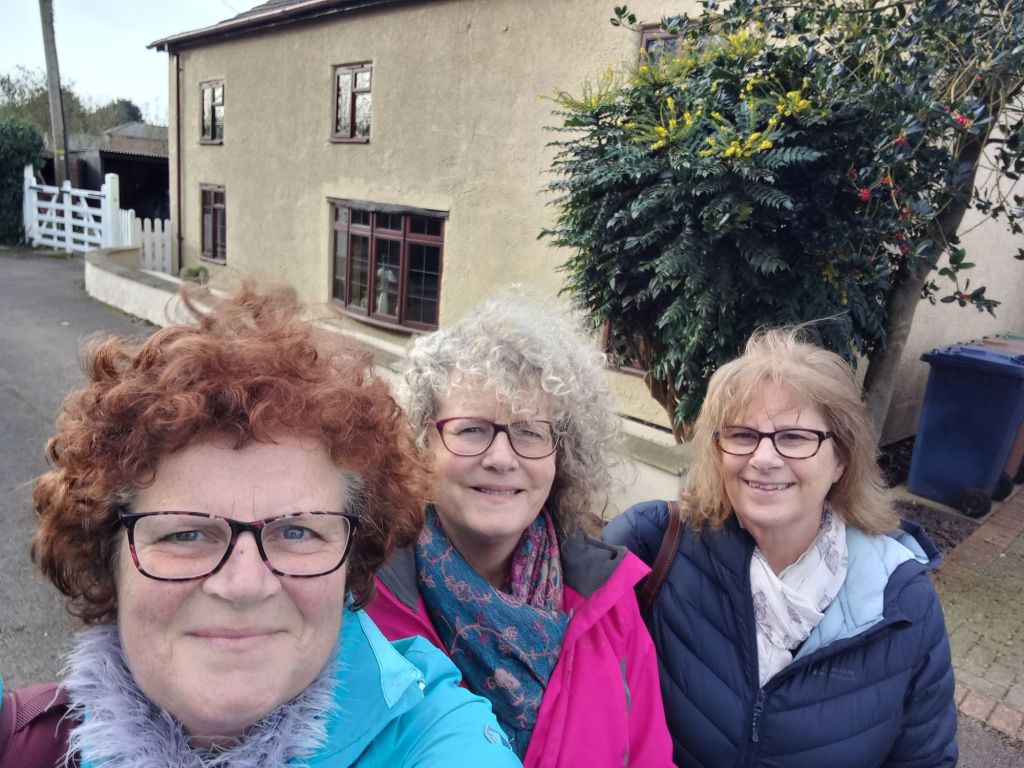
When I was 3, we moved to a neighbouring village, Gorefield, and lived in a pebble-dashed house called Brooklands, on a small road named The Barracks. It’s from here I can remember some of our pets – our rabbit, my sister Anne’s cat, Sweep Minou Minx, and our three guinea pigs. Just round the corner from our house was a den that all the local kids played in.
My best friend Michelle lived on a lane further along the High Road, and I recall fishing for tadpoles with jam jars in a dyke there. I also remember the tall, thin poplar trees along the lane. In our garden, we had a weeping willow tree. They were quite a common sight in the area.
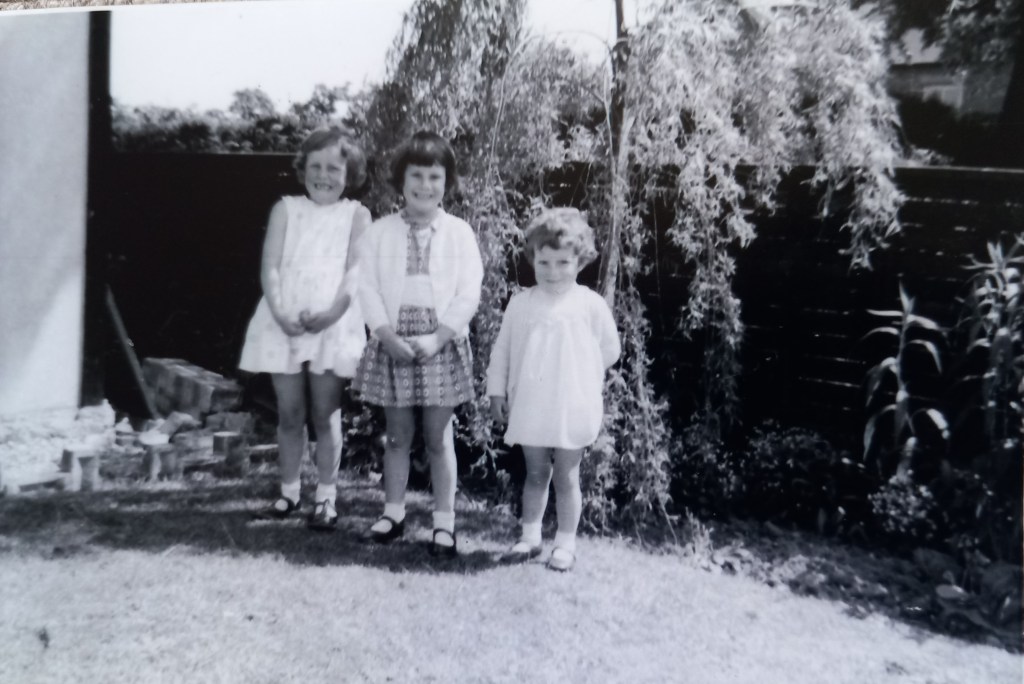
Another tree memory is of ‘seeing’ animal shapes among bare branches from my bedroom window, but I’m not sure which type of tree it was. This is something I still do, look for shapes in trees and clouds. But that’s more or less it for my memories of nature – pets, tadpoles and trees.
By the time I was 9, we’d moved to town, but on the southern edge, close to the horticultural college. I used to earn extra pocket money there, picking gooseberries, just as I’d strawberry-picked in the village when I was younger. At the end of our road, Westmead Avenue, was an orchard. I remember birdwatching there, with my Observers Book of Birds, but I don’t recall why I became interested in this. Maybe it was simply because the orchard was so close, so I went to explore what was a ‘safe’ place for me to go to alone. I probably started off collecting plums, then noticed the birds! We had a big garden with a pond, though it contained goldfish rather than newts and toads. We also had a pet tortoise. I didn’t pay much attention to the wild creatures in the garden – though I think I remember house martins nesting under the eaves of the house.
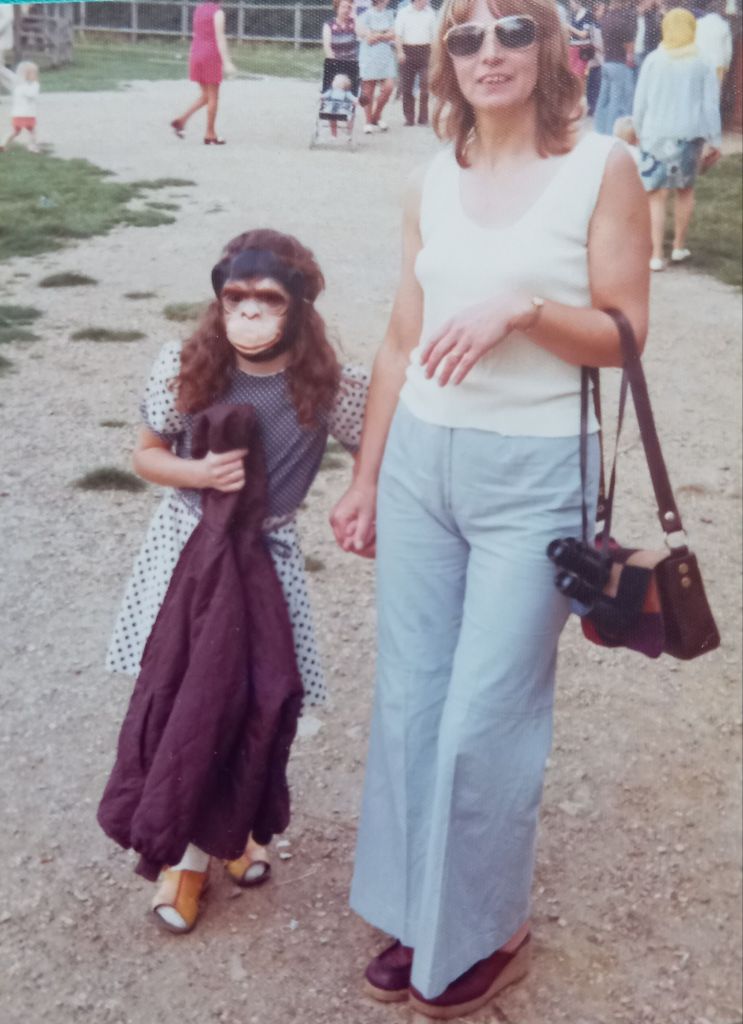
At some point I became interested in exotic animals, as I suppose many children do. My sisters went on a school trip to London Zoo, and brought me back a postcard of the Giant Panda Chi-chi. I must have watched Tarzan on TV, because I got a toy chimpanzee and named it Cheetah after the one in the programme. And here I am with my chimp mask on 😁
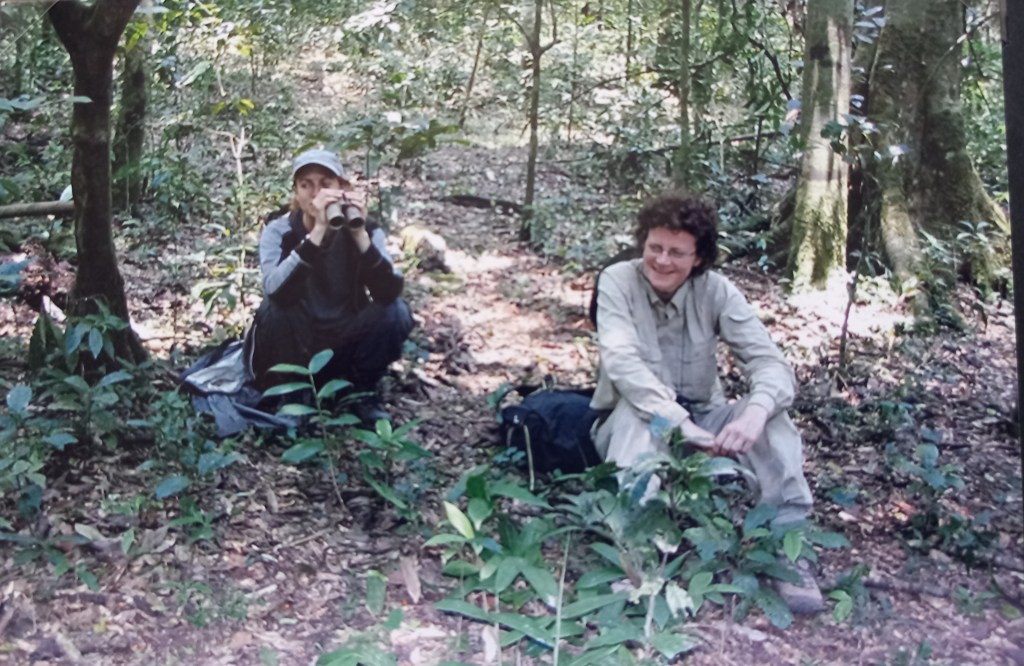
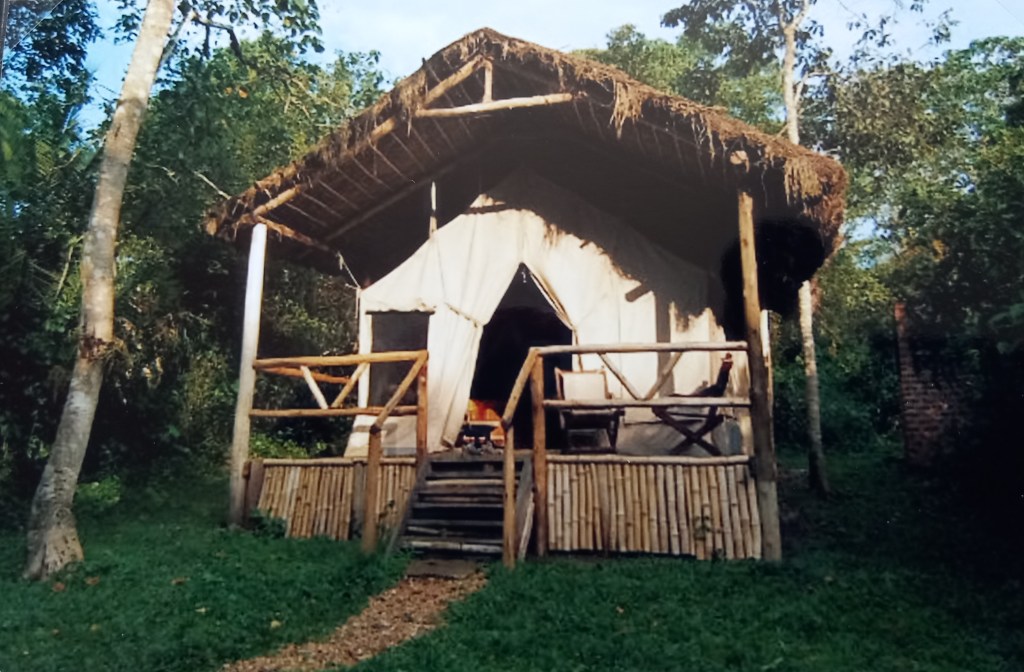
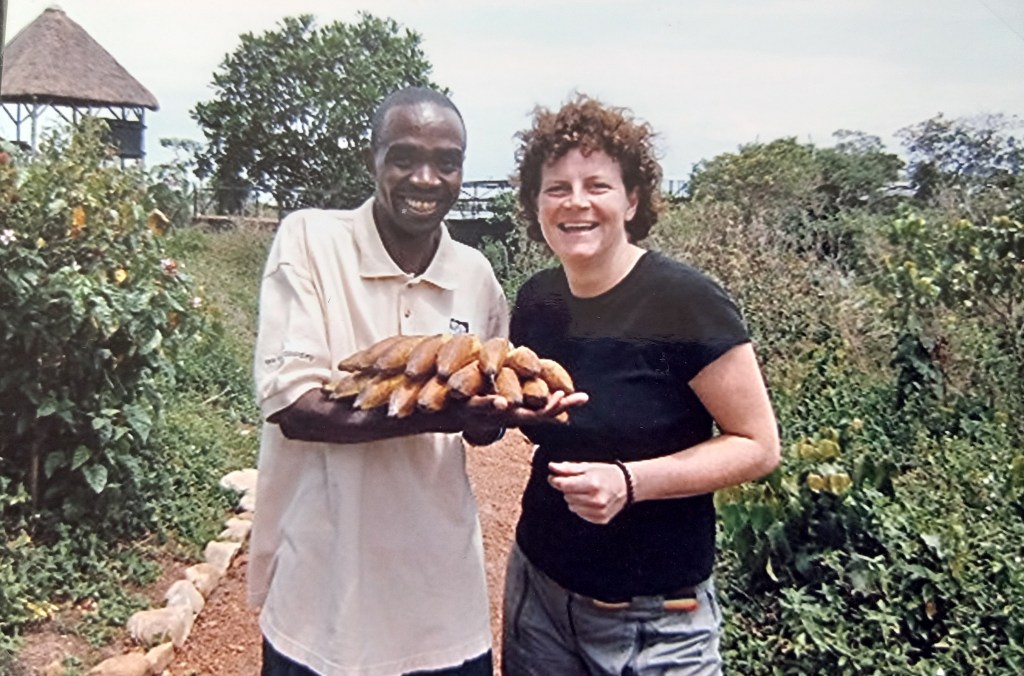
Years later, I developed a real fascination with chimps. I’m not sure when, but I think it was sometime after I’d moved to Nottingham (when I was 22 – small town life wasn’t for me). I happened to see Dr Jane Goodall interviewed on breakfast TV, bought her book Through a Window, and was hooked. I guess this was around 1990, when it was published. I became quite obsessed. I read all her books, joined the Jane Goodall Institute, and for years I adopted chimps for my young nephews’ birthday presents (to encourage them to care about the natural world). When I moved to Southampton in 2002, I regularly visited the ape rescue centre Monkey World in Dorset and spent hours watching the chimps. Then in 2008, I achieved my ambition of spending time with chimps in the wild, in Uganda. I tracked a semi-habituated group that were being studied in Kibale National Forest, and spent the night there. Waking up in the forest to the sound of chimps calling to each other was thrilling. At the end of my trip, I spent a few days on Ngamba Island on Lake Victoria, a sanctuary for orphaned and rescued chimps. Having had the required vaccinations to make sure I didn’t pass on any diseases, I was able to do a forest walk with the younger, calmer members of the group. Giving one a piggy back was one of the highlights of my life.
I also read a lot of studies about chimp language and behaviour, and, as a teaching fellow at the University of Southampton, for several years I delivered a ‘guest lecture’ on chimps to international pre-sessional students. These lectures were designed to give students a chance to experience general lectures before their Masters programmes. For me, it was an opportunity to share my enthusiasm, and perhaps change the way chimps were viewed by some students, most of whom were from countries with poor animal welfare standards, and in some cases, places where chimps were kept as pets.
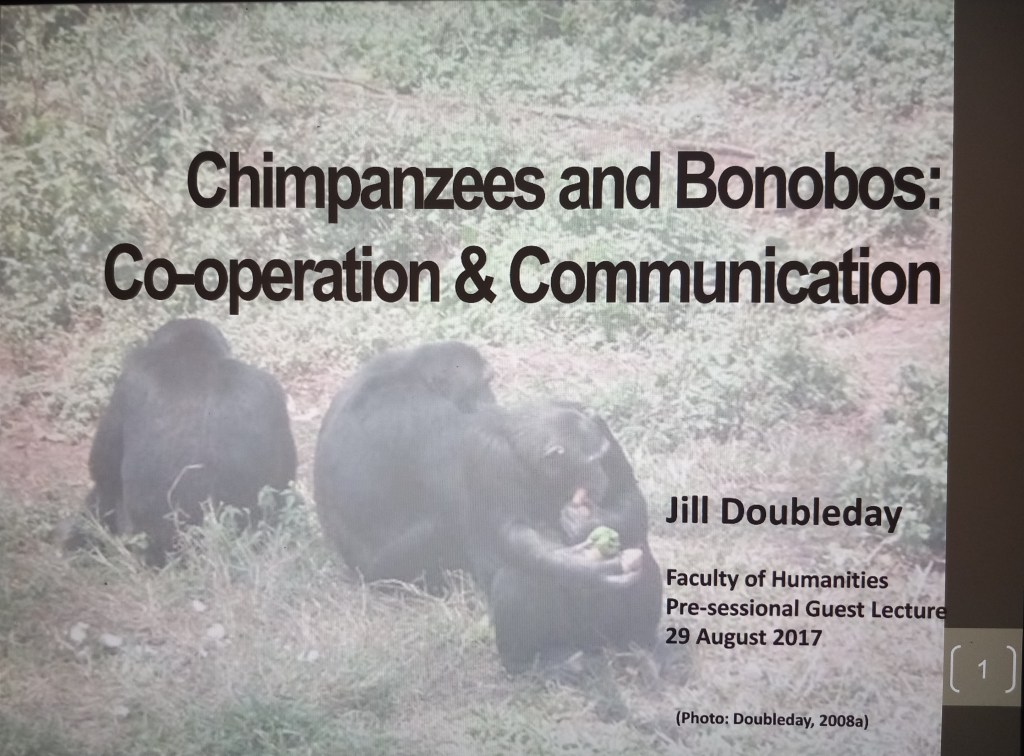
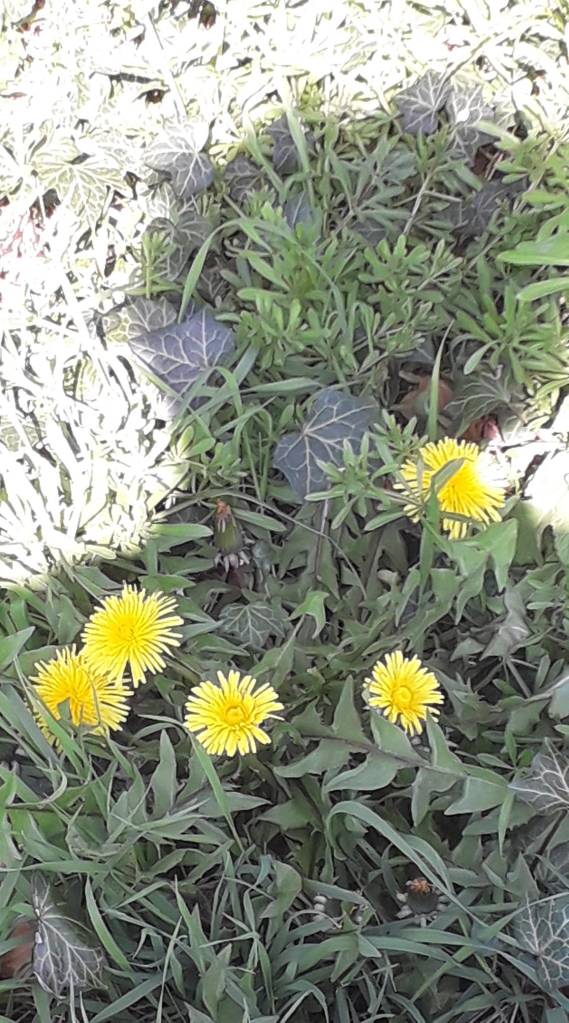
So how did I get from being obsessed with one species native to Africa to becoming interested in urban wildlife? These two seem a long way apart, but on reflection, they’re not really. As I learned more about chimps, and their close relatives bonobos, I shifted from focussing on how like humans they are, to how important they are in their own right. I also learned about the importance of habitat conservation and, through Jane Goodall’s example, about how to work with local people, to listen to their experiences, and find ways for them to share the land with chimps. When I moved to the Peartree area of Southampton in 2014, and discovered Peartree Green, I started to shift my focus to wildlife near me. It’s a special site, a local nature reserve with over 1400 species recorded so far, and it’s so close that I can walk there in three minutes and visit it daily. I started identifying the wild flowers there, realising how few I recognised. I was interested in the common ones, not just the rarities. There’s a local birder who counts all the pyramidal orchids each year, so one April I decided to count all the dandelions in bloom. There were 874.
I joined the Friends group because I wanted to help protect the reserve, and to do that, we needed to engage with people effectively. When school groups visited, I helped out, and found it so much fun that I started volunteering at forest school with the Hampshire and Isle of Wight Wildlife Trust, now my employer.
Wilder Southampton is all about encouraging and enabling people to enhance areas for wildlife. As part of this, I’ve done a number of engagement activities, including some with local school children. At one session, I realised that some children – and some adults – couldn’t recognise a blackbird. There could be many reasons for this, among them the lack of an adult to inspire interest, the local environment, adult fears about safety, etc. I can’t remember an adult inspiring me when I was young, but my environment was rural, and safe. I grew up in the 60s and 70s in villages and then a small town, with nature around me that I could access in relative safety – there was much less traffic, for example. I can also remember playing in farmers’ fields of wheat or barley with my best friend, no-one else around. Back then, this wasn’t thought of as risky – and nor was sucking deadnettle flowers! Deadnettles don’t sting.
The school I visited is in an area with not many green places, and few trees – but, as David Lindo the Urban Birder has said, if you think there’s no nature in a city, look up! That’s true, but birds aren’t always the easiest wildlife to get to know – they’re too far away, or they move too quickly, or you can hear them but not see them. If you want to know what they are, you need someone to help you, or an app such as Merlin. Flowers though, are much easier. They don’t move, for one thing. That’s why I started with them on Peartree Green.
And as I continued with that session in Sholing and got chatting to three young people in particular, I discovered they knew quite a bit about flowers. They giggled as they said “it makes you wet the bed, doesn’t it?” of dandelion; they talked about holding a buttercup under their chin to test if they like butter; they’ve made daisy chains. All the things I knew about as a child. Maybe this knowledge has been passed on because the flowers are common, even in urban areas. I wish I’d asked how they knew these things. I will next time, and I’ll also find some white deadnettles – perhaps they’ll surprise me by telling me they drink them!
 Dandelion Nature